
Water as the Origin and Structure of Territory
In the article Water as the Origin and Structure of Territory, Margarita Santiago reflects on the fundamental role of water as a natural resource and a structuring element of socio-territorial development. She also highlights the importance of promoting urban development models that recognize and integrate this resource as an inherent component of the territory.
Throughout history, water has been a key determinant in the development of human settlements and cities, providing an essential service. However, contemporary urbanization dynamics have contributed to the gradual loss of traditional forms of land occupation and use. These transformations have led to territorial inequalities that are expressed through varying degrees of vulnerability. In this context, it is essential to reflect on the relationship between water and territory as a guiding principle for promoting more sustainable and equitable development models.
Water, as a natural resource, constitutes an inherent component of socio-territorial development.
Urbanization is one of the major trends of the 21st century. Cities have become the predominant form of contemporary living, serving as central hubs for economic development, knowledge creation, technological innovation, transportation, and communications. These environments constitute strategic areas of opportunity, prosperity, social development, employment, and infrastructure compared to non-urbanized areas. As such, cities play a fundamental role in promoting economic growth, poverty reduction, and human development.
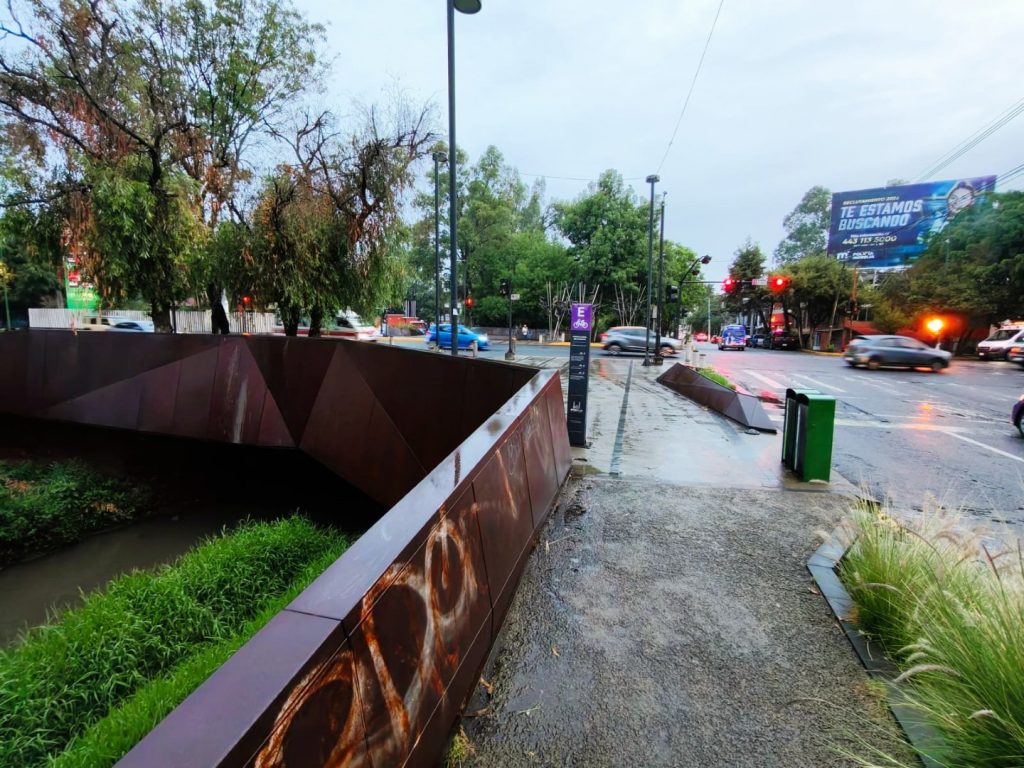
La ciudad como forma de vida predominante / The City as the Predominant Way of Life
Fotografía/Photography: Margarita Santiago García
However, the rapid pace of urbanization, both in terms of physical expansion and growth rates, is associated with disordered, inefficient, and inequitable patterns of urban development, resulting in significant environmental consequences. Among the territorial transformations emerging from this phenomenon, water resource management stands out due to its close relationship with human well-being and the living conditions of the population.
Disorderly urban development is associated with significant environmental challenges, particularly those related to the sustainable management of water resources.
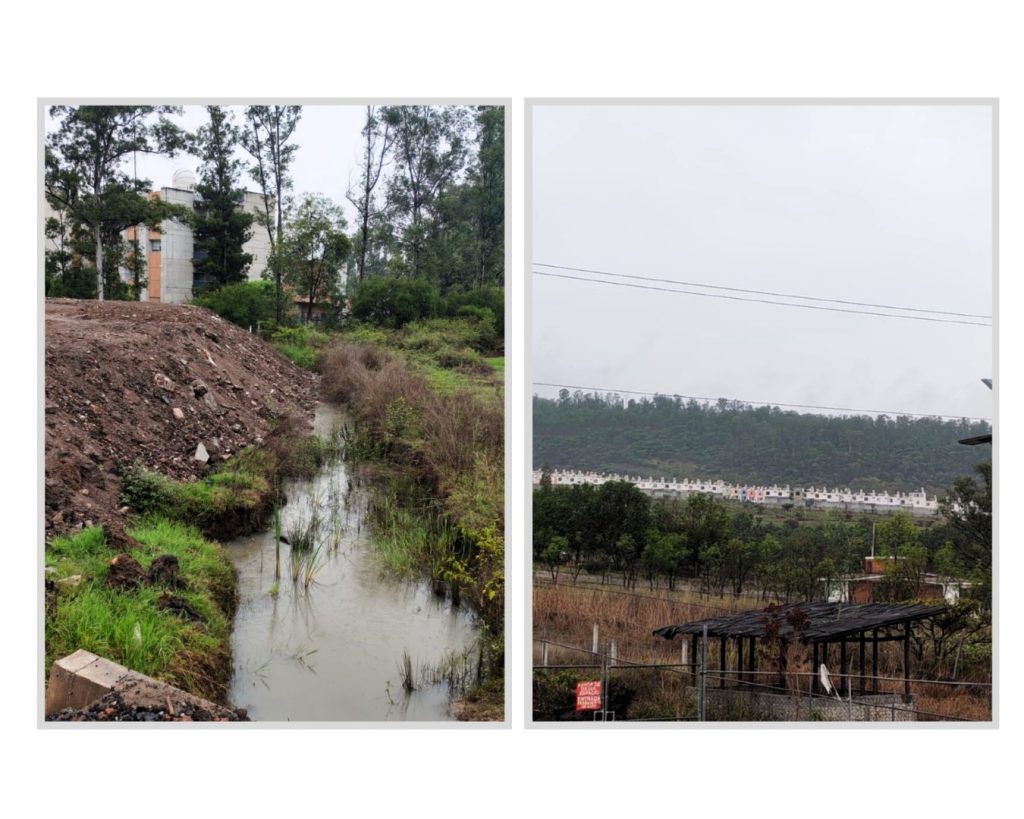
Crecimiento urbano desordenado: impactos sobre el ciclo natural del agua / Unplanned Urbanization: Impacts on the Natural Water Cycle
Fotografía/Photography: Margarita Santiago García
Historically, human populations have settled near freshwater sources to ensure access to essential services for life. However, the dynamics of modern urban living have contributed to the disruption and diversion of natural water cycles, giving rise to significant territorial inequalities. The lack of adequate planning and land-use management has led to urban development patterns that promote the removal of vegetation cover —affecting evapotranspiration and groundwater infiltration— the overexploitation of aquifers, the contamination of surface and groundwater sources, and the diversion of water resources for agricultural, public, industrial, and thermoelectric uses. From a geographical perspective, these transformations are unevenly expressed across the territory, creating environments with varying degrees of vulnerability depending on the adaptive and response capacities of different social actors, including governments, businesses, and organized communities.
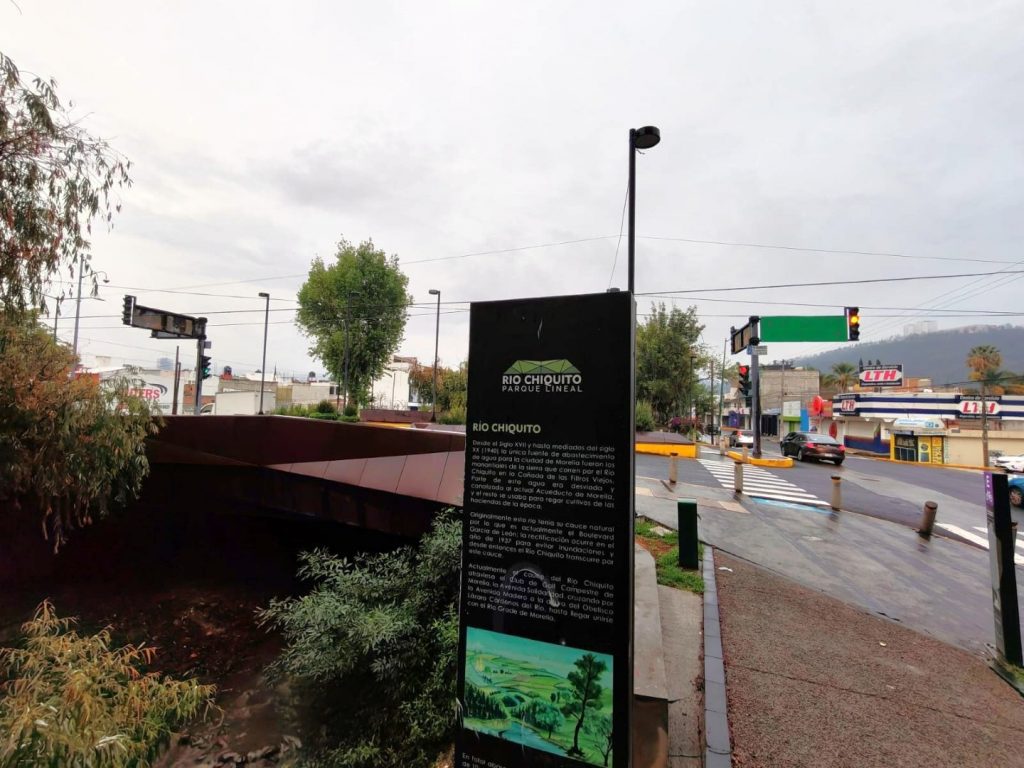
Recuperación del Río Chiquito: una estrategia de regeneración urbana en Morelia / Río Chiquito: An Urban Regeneration Strategy for Morelia
Fotografía/Photography: Margarita Santiago García
In this regard, the urbanization process not only transforms the physical environment, but also alters the natural cycles of resources and reshapes the forms of social organization and the lifestyles of the population. Promoting sustainable water management is essential to ensure equitable and efficient access to water, while also preserving its quality and availability over the long term. Likewise, it is crucial to encourage orderly urban growth that enhances the positive externalities of cities and is capable of incorporating natural resources—particularly water—as an inherent component of the territory.
In this context, it is essential to promote strategies that encourage the efficient use of water and the diversification of water supply sources through the implementation of technological and infrastructure-based solutions. These include wastewater treatment plants, rainwater harvesting systems, aquifer recharge initiatives, green urban infrastructure, technologies aimed at reducing water losses in distribution networks, and comprehensive urban water system restoration projects focused on the conservation and rehabilitation of rivers, lakes, reservoirs, and wetlands. Such measures contribute to strengthening water security, enhancing urban resilience, and advancing territorial sustainability.
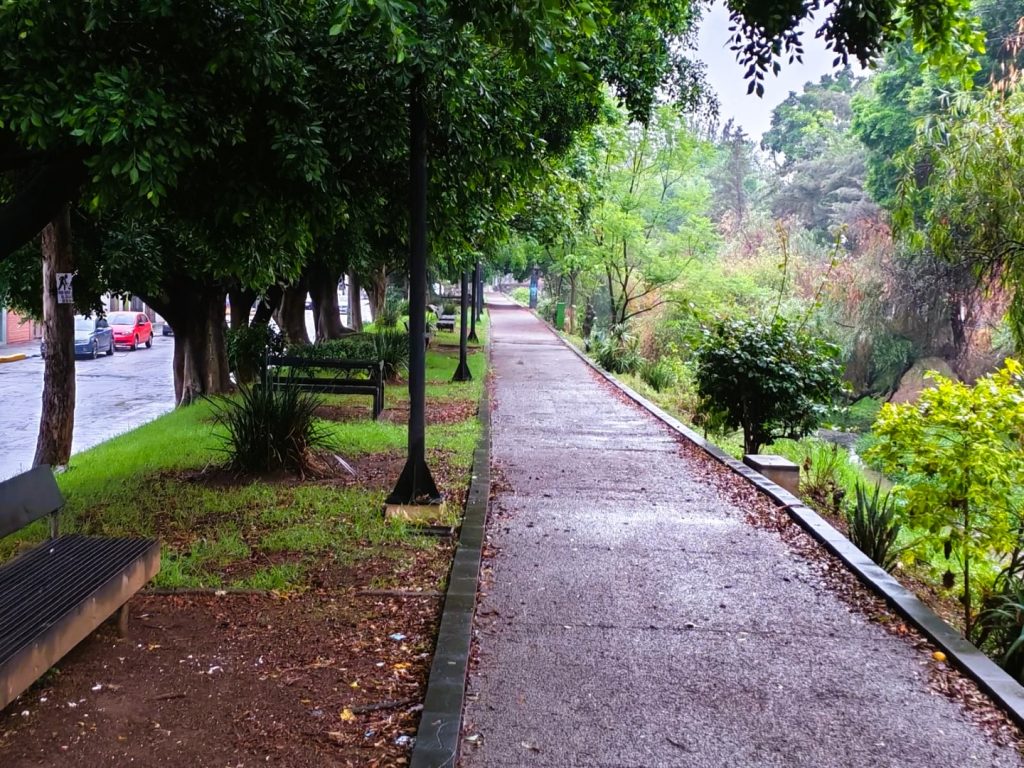
Desarrollo urbano e integración de los ciclos naturales del agua / Urban Development and the Integration of Natural Water Cycles
Fotografía/Photography: Margarita Santiago García
Author Profile:
Margarita Santiago García holds a Master’s degree in Population and Development from the Latin American Faculty of Social Sciences (FLACSO-Mexico). Her main research interests include urban health geography, globalization, urban development, and spatial analysis
Bibliography:
- United Nations, Department of Economic and Social Affairs, Population Division (2019). World Urbanization Prospects: The 2018 Revision (ST/ESA/SER.A/420). New York: United Nations.
- Graizbord, Boris; Glez, José Luis y López, Omar (2013). Desigualdades regionales, acceso al agua y cambio climático. Coyuntura Demográfica, núm 4, pp. 87-94.


-10.28.24.jpg "Anunciate07-13-a-la(s)-10.28.24")

 13.26.42.png "Captura de Pantalla 2023-02-08 a la(s) 13.26.42")