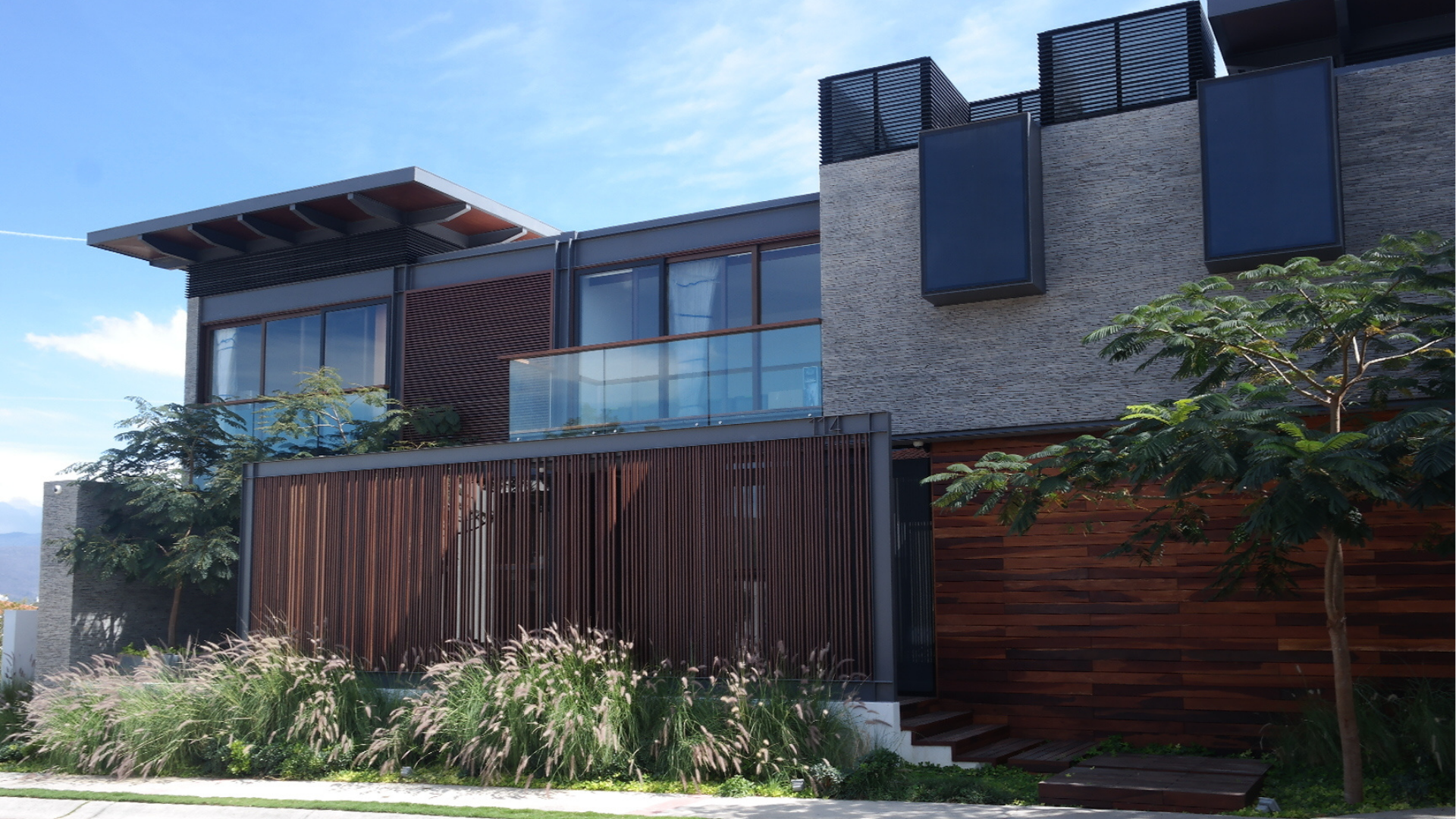


Casa K’ankab is a 662 m² residential project, designed by Taller de Arquitectura Reyes Rosiñol in collaboration with Andrea Páez in 2025. Located in the town of Chicxulub, in the state of Yucatán, Mexico, this work establishes a profound connection with the landscape, where the intrinsic relationship between nature and inhabiting is materialized through a hexagonal grid, monolithic geometric elements, and openings that frame the natural surroundings.
Read More- No products in the cart.
Interventions
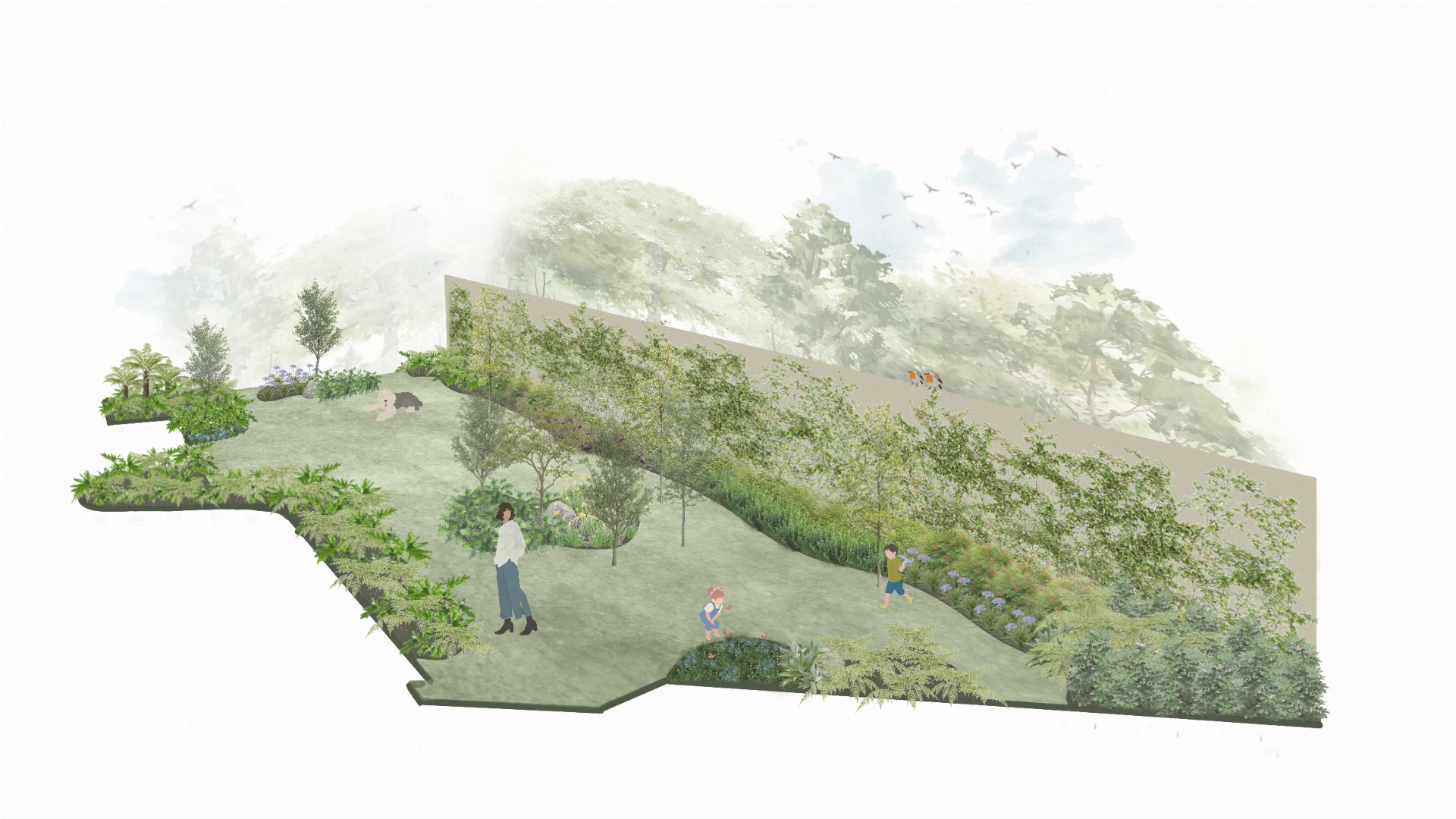
Discover The Landscape Teaches: Toward Learning Territories, where Ana Julia Carvajal speaks about Learning Territories, a model that integrates landscape, environmental health, and play. Within this approach, the landscape is understood as an active part of everyday learning, a living system of which we are part, and at the same time, a climatic refuge for children.
Read MoreLocated in Mexico City, Casa Auseva is a 680 m² residential project designed by Antonio Rivas, Jorge García, Jesús Villedas, Diego Valencia, Sebastián Castillo, and Daniel Rivas. Graus invites us to discover this work, defined by order, light, and contemplation, where functional autonomy and landscape integration create a seamless continuity between interior and exterior.
Read MoreThe pedestrian crossing at Plaza Mega Izcalli: An urban oasis between concrete and roots, shows how Laura Heredi Lagos Bueno’s intervention transforms a car-dominated commercial setting into a small urban oasis. A gesture that turns a parking lot into a space where movement and lingering coexist, shade gains presence, and the pedestrian regains prominence.
In Urban oasis: university landscape as wellness infrastructure, discover how the Ibero campus transforms into a living infrastructure that merges architecture and landscape to create comfort. Through a resilient and participatory design, this WW+P project invites us to rediscover the landscape as refuge and community.
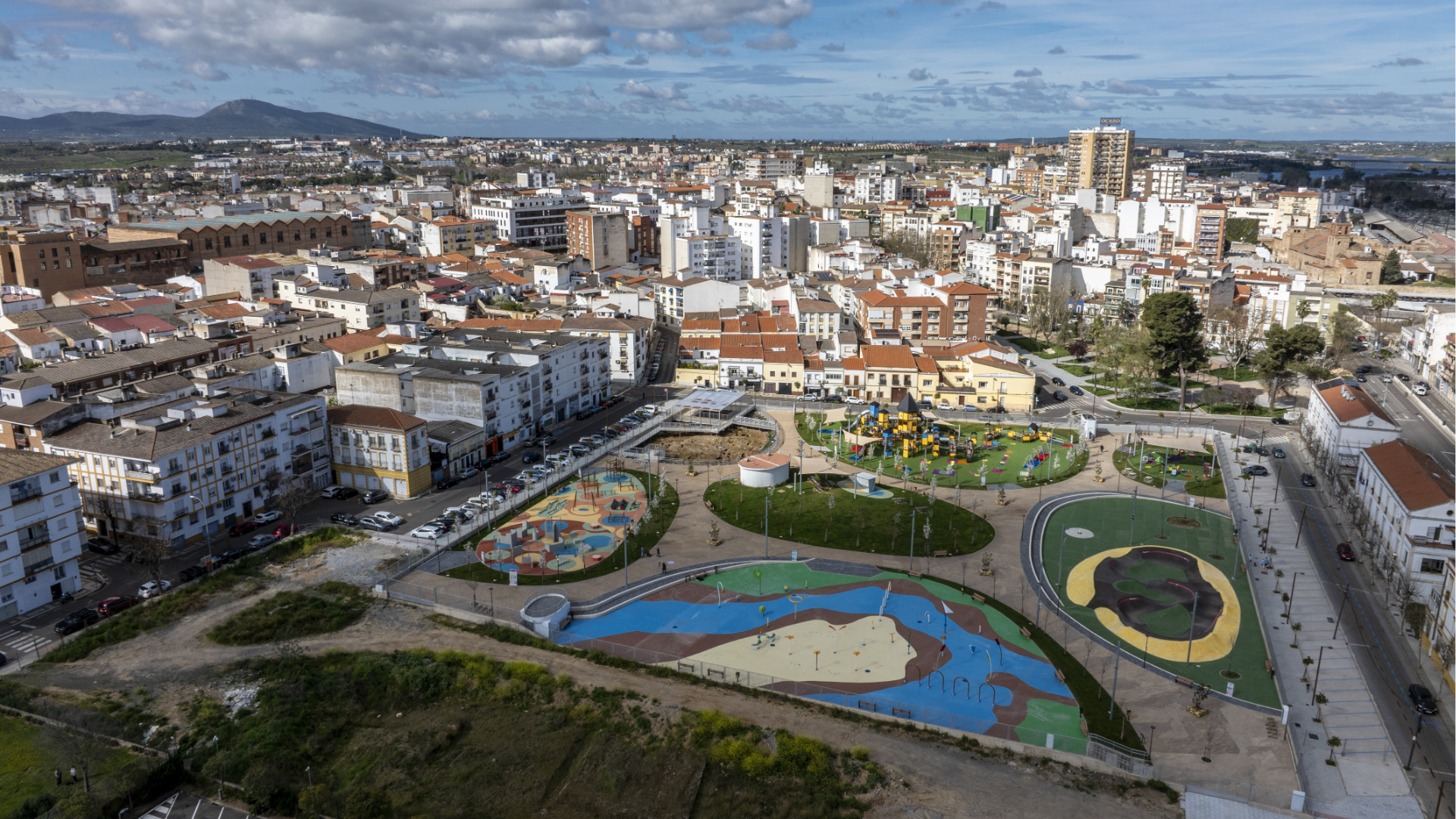
Read MoreDiscover “Urban Oasis: La Paz Science Park” by Megumi Andrade. This landscape architecture project reinterprets the geometry of DNA to design a recreational area that transforms the metropolitan periphery into a space for encounter and identity.
Read More