

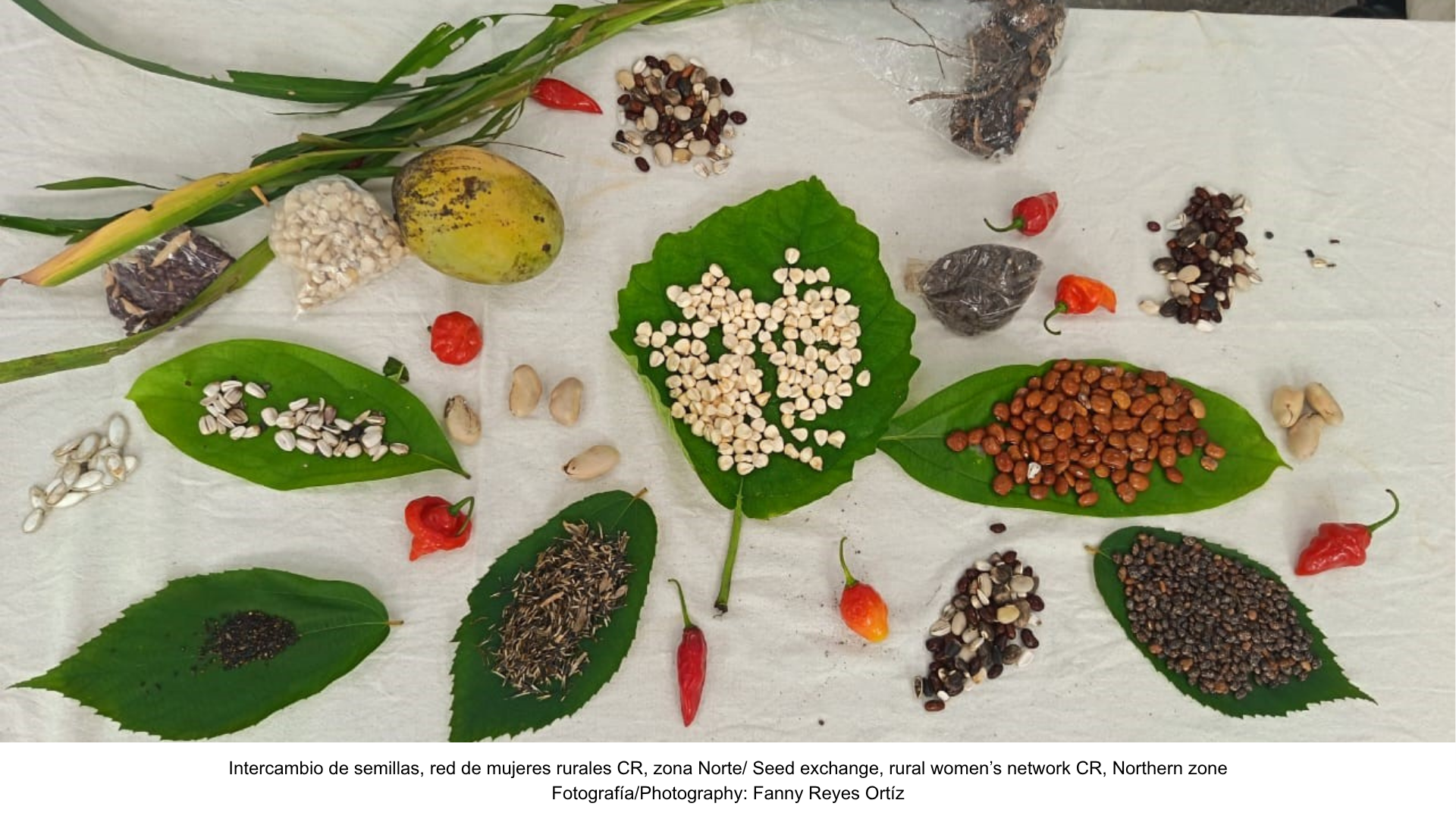
Roxana González-Ball presents Native and creole seed exchanges: Where? and Why? a text that highlights the importance of creole seeds for the agroecological food system and humanity. Native seed exchanges are collective environments where diverse genetic material and knowledge about their cultivation and storage are shared.
Read More- No products in the cart.
Plantae & Fauna
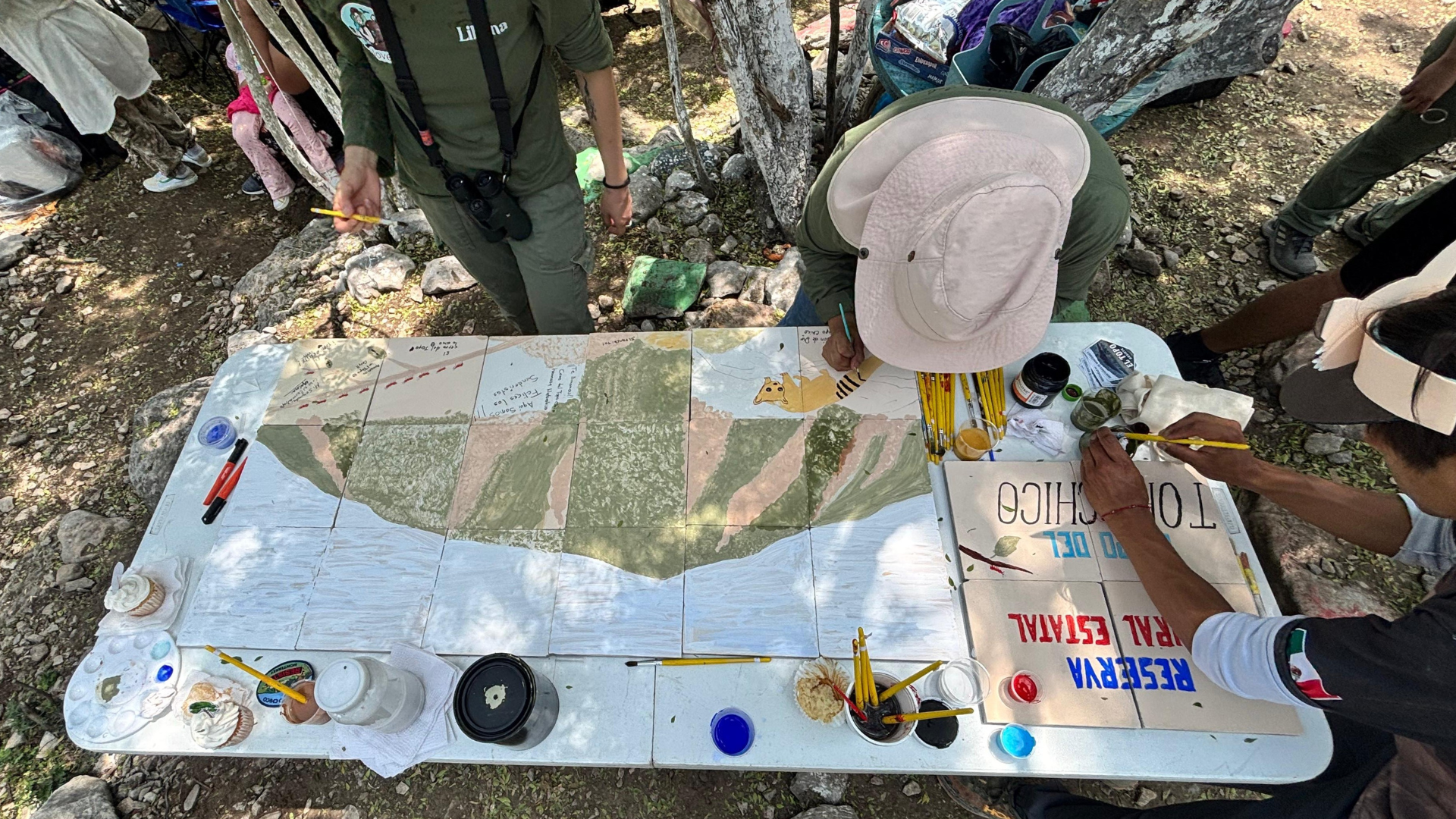
Iris Ruiz invites us to discover Cerro del Topo, a mountain located in Monterrey, Nuevo León. Through the knowledge sharing, the Hormigas del Topo collective works to defend the territory, its history, and the collective memory of Cerro del Topo.
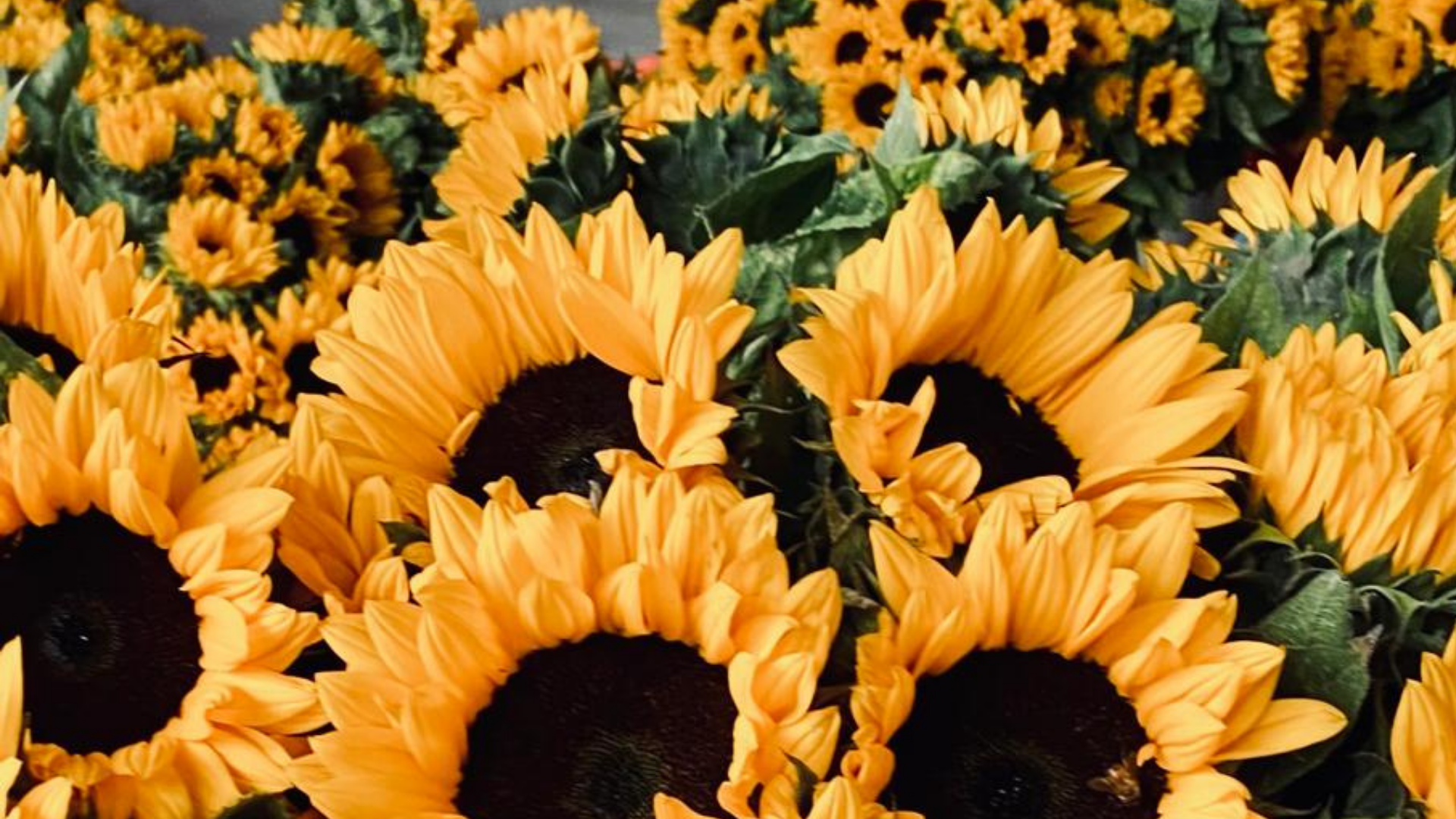
Read MoreIn The Sunflower: a flower that always seeks the light, Tabatha Urías explores some of the most fascinating aspects of this flower. Its relationship with the movement of the sun not only optimizes energy capture, but also makes it a symbol of optimism, perseverance, and fidelity to the light.
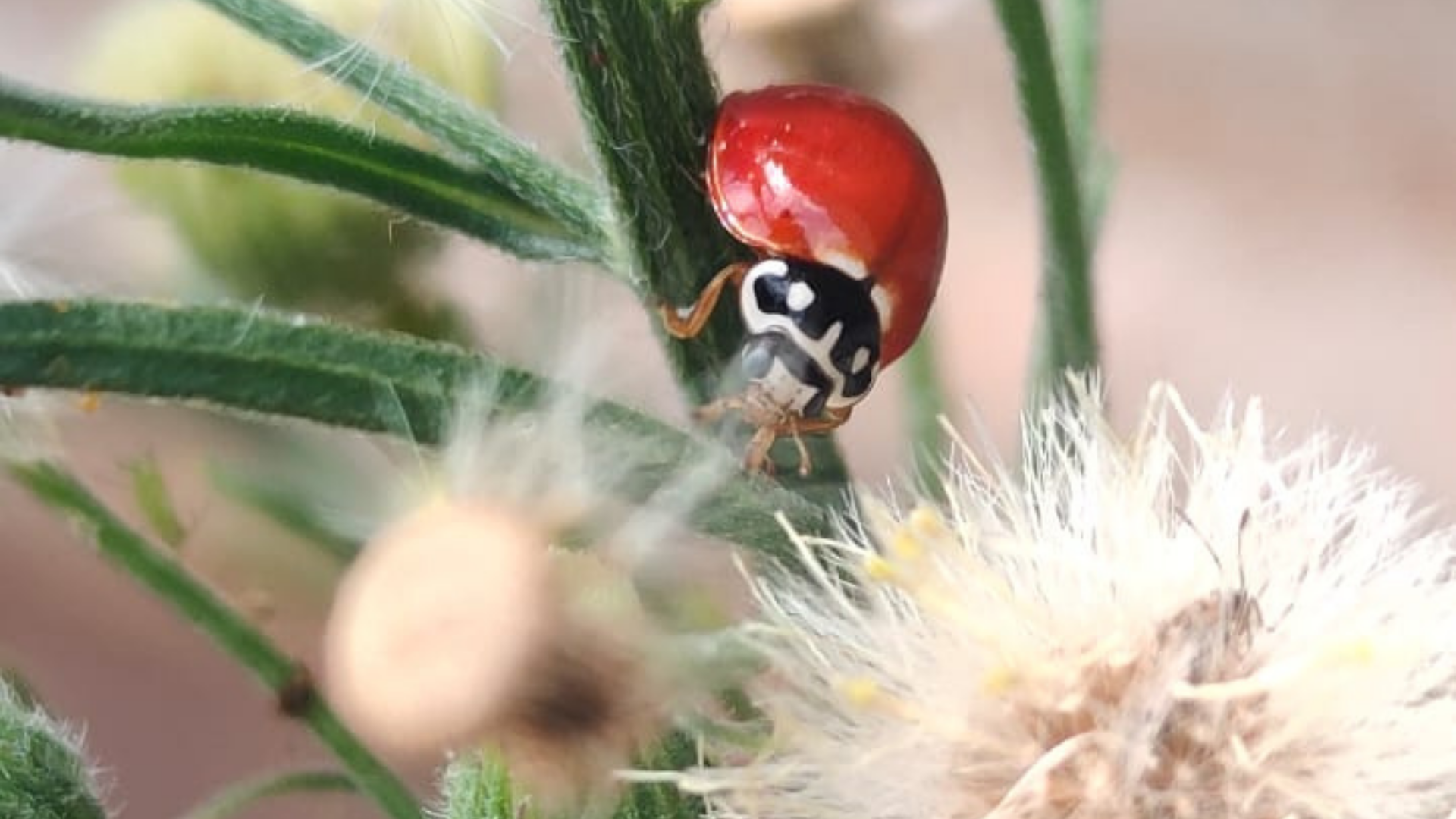
Read MoreJuan Manuel Salazar López and David Santiago, in Does the Best Pesticide Have Six Legs?, show us how biological control represents a sustainable alternative for agriculture, using natural enemies such as lacewings, coccinellids, and carabids for pest management and the reduction of chemical inputs.
Read MoreIn Plants for Hydroseeding Interventions, Armando Maravilla and Felipe Arath Macías present hydroseeding as an alternative technique for vegetating extensive areas through the use of species such as Vachellia farnesiana, Baccharis salicifolia, and Dichondra sericea.
Read MoreTabatha Urías presents The Rose: A Symbol That Blossoms Between Mexican History, Emotion, and Tradition.
Read More