
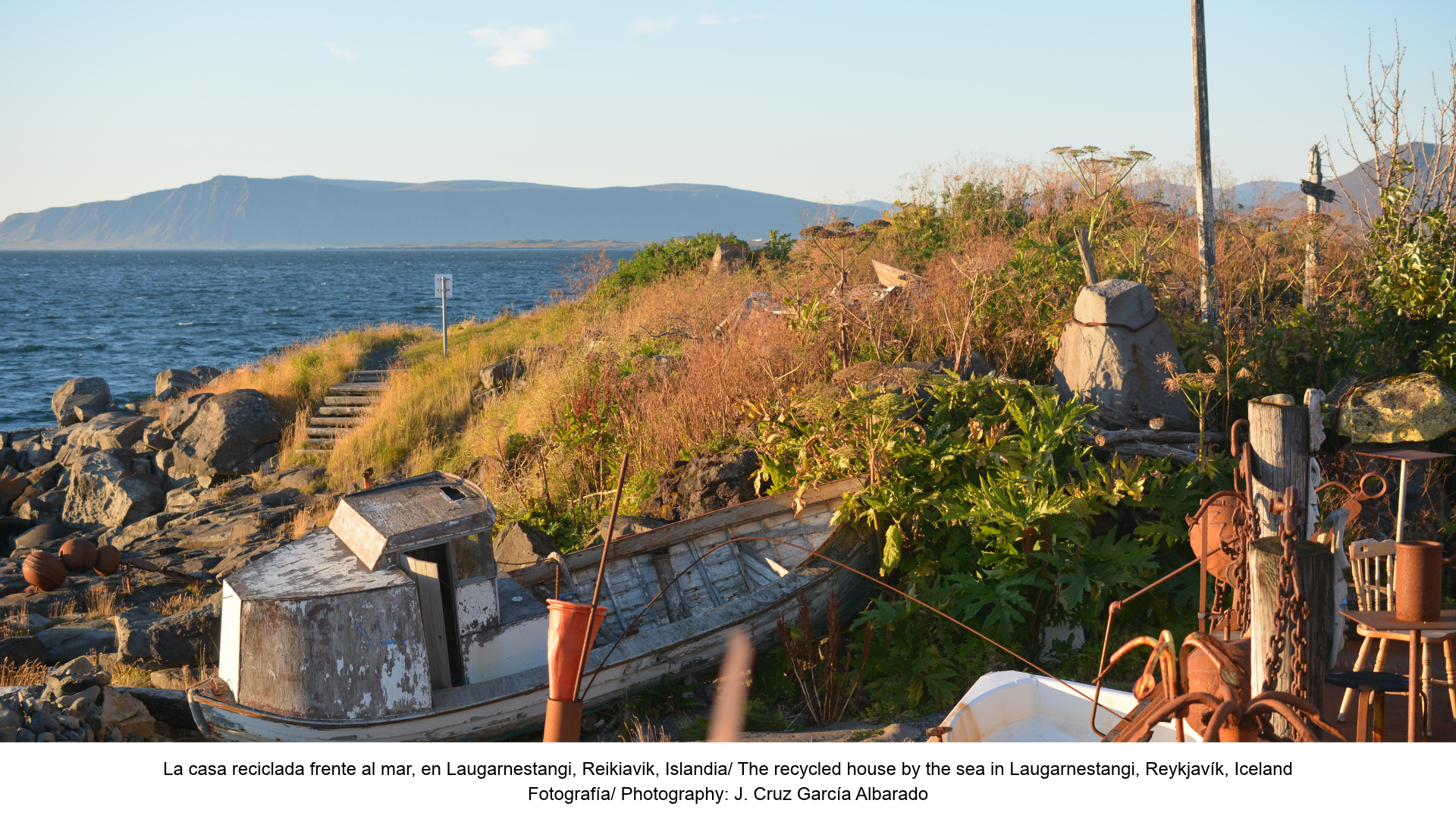
J. Cruz García Albarado presents I didn’t come to look, I came to listen to the Icelandic landscape, a personal account of his experience in Iceland from the perspective of landscape architecture and art therapy. Through different landscapes, he explores listening as a way of recognizing the rhythms of nature, the memory of places, and the emotions they evoke.
Read More- No products in the cart.
Land-Escape
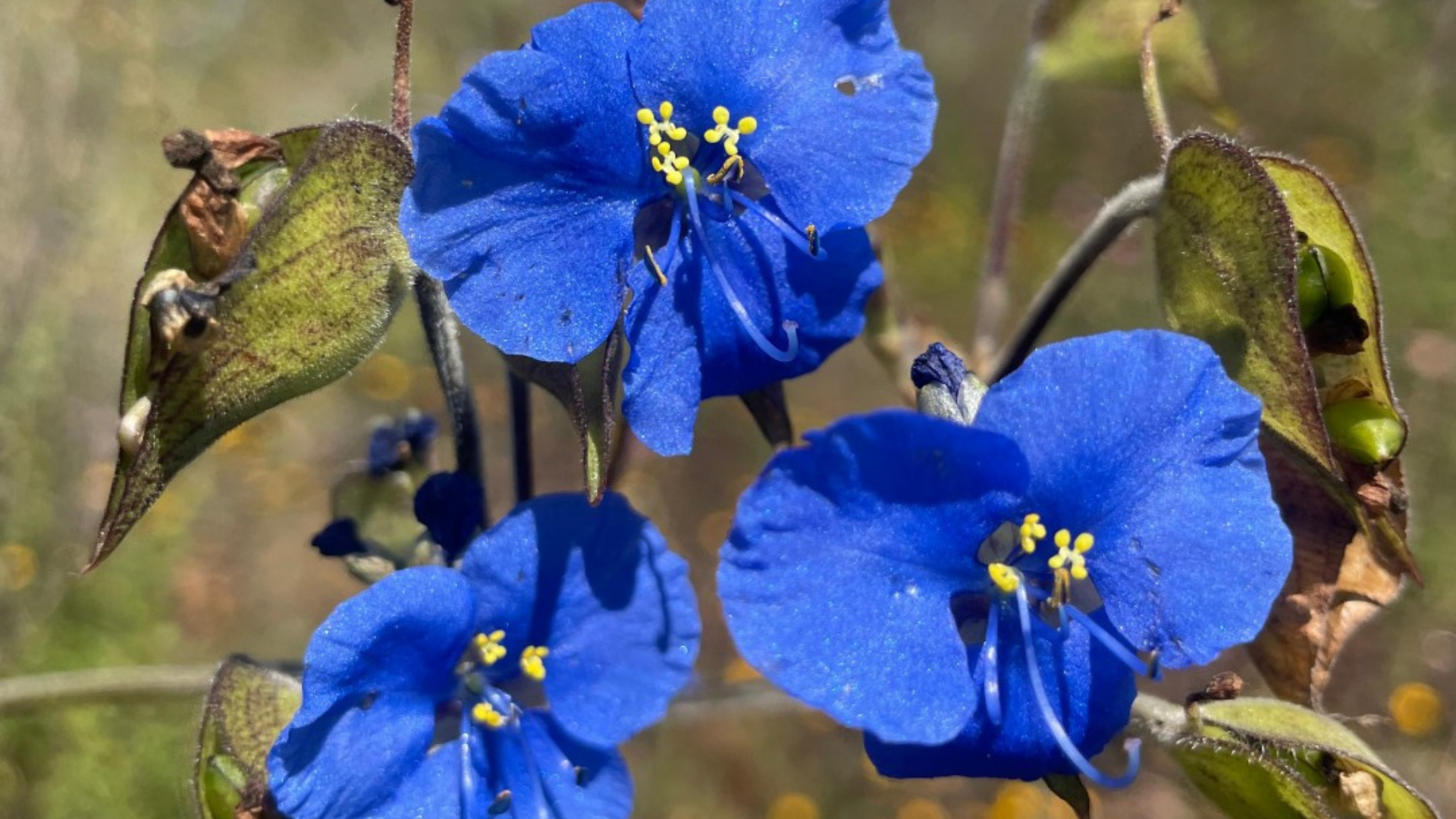
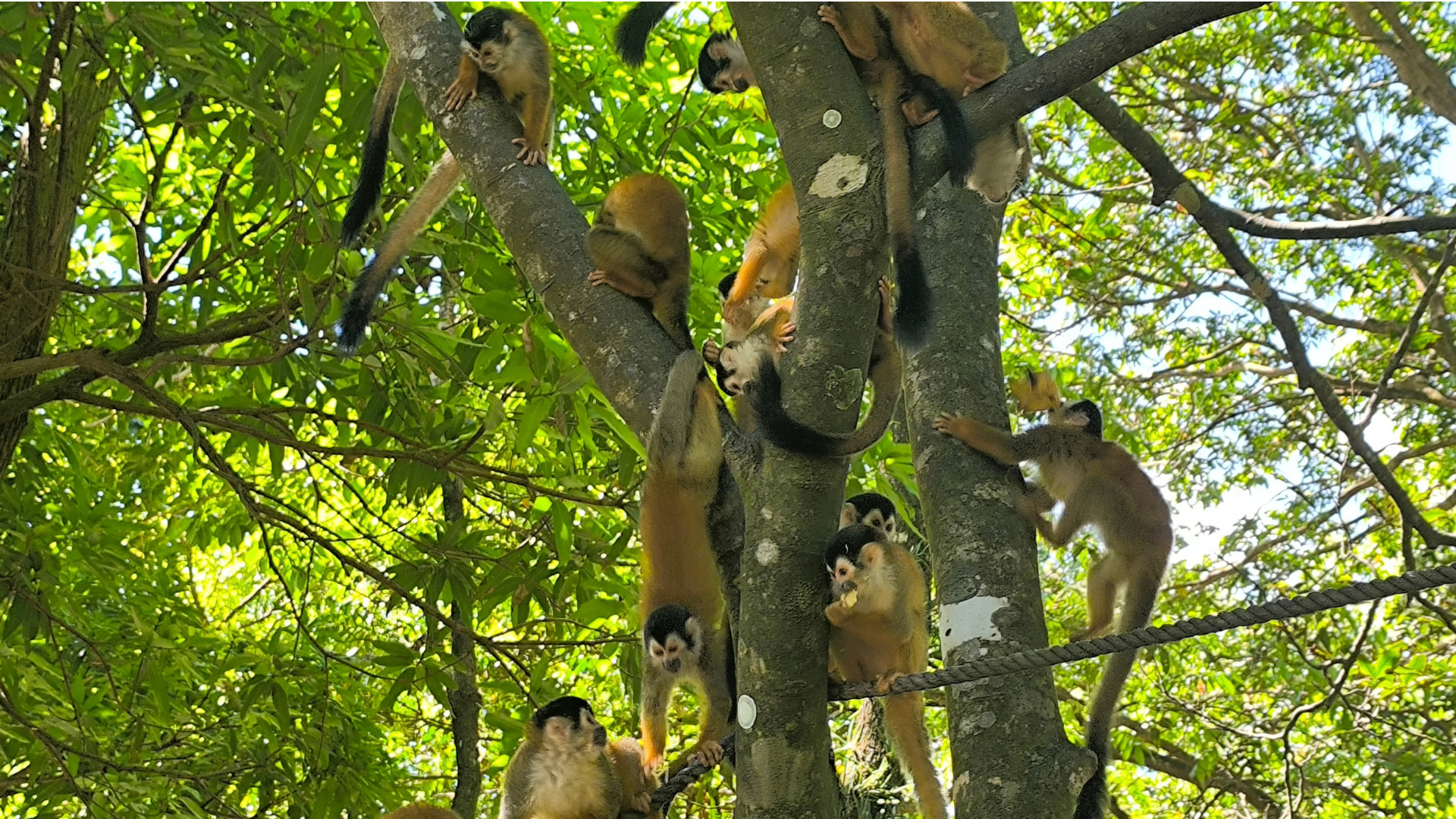
Korayma Rodríguez invites us to discover The little planters of Punta Buríca, a narrative about frugivorous primates, protagonists in the dispersal of native seeds in Punta Buríca, Panama. Invisible but essential, every fruit they consume and disperse contributes to the birth of new plants.
Read MoreAllison Cervantes Ayuso, in The Seeds of the Pedregal: Inhabiting Another Time, invites us to reflect on seeds as a way of reconnecting with the natural processes that sustain biodiversity. Seeds remind us that life never disappears; it remains dormant, waiting for the right moment to begin again.
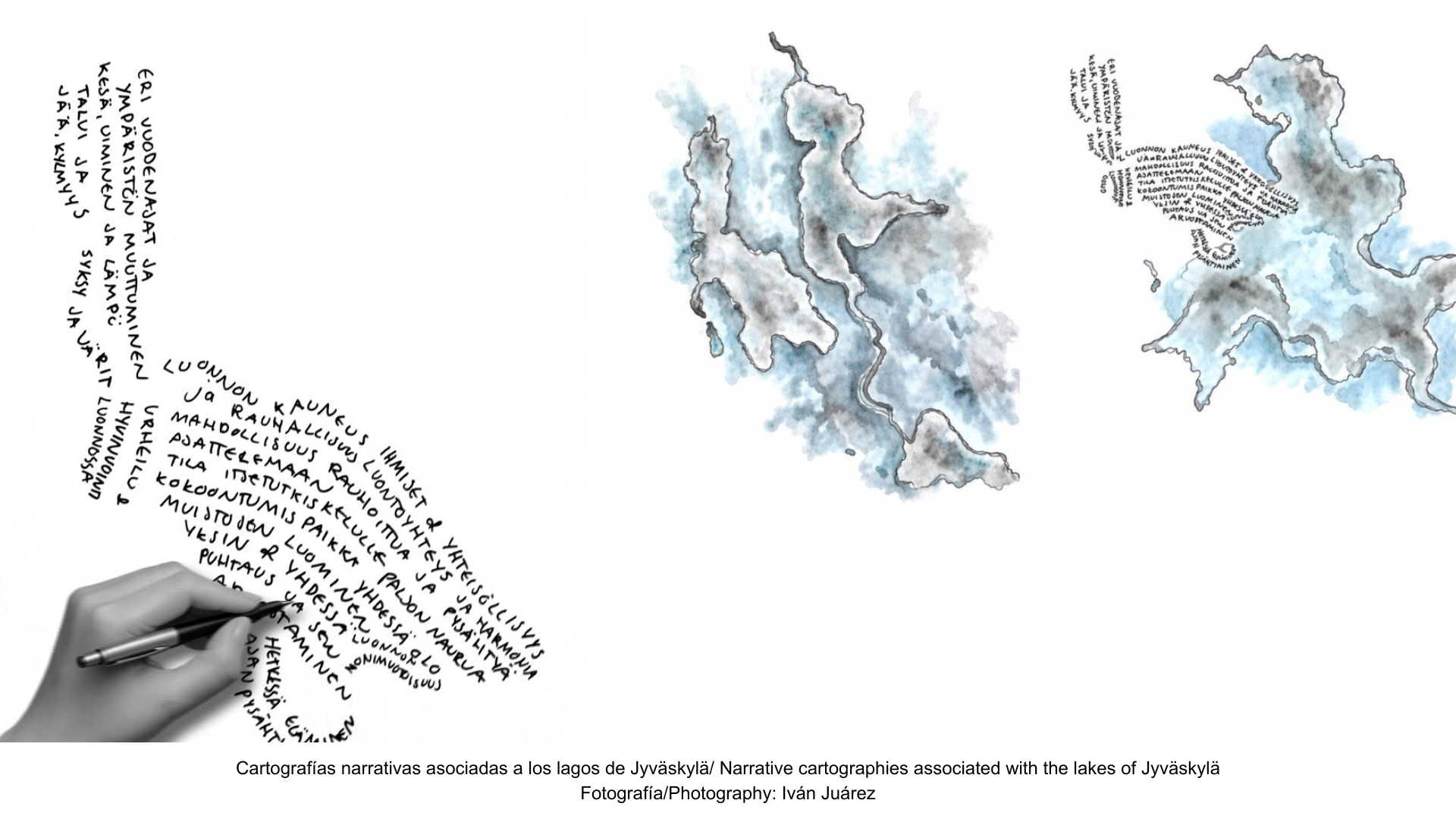
Read MoreIn Languages of Water: Water as a Landscape of Encounter in the Finnish Lakeland Region, Iván Juárez (x-studio) invites us to reflect on the relationships between water, territory, and life, exploring how aquatic landscapes foster environmental awareness, collective memory, and forms of coexistence among the diverse forms of life that inhabit the territory.
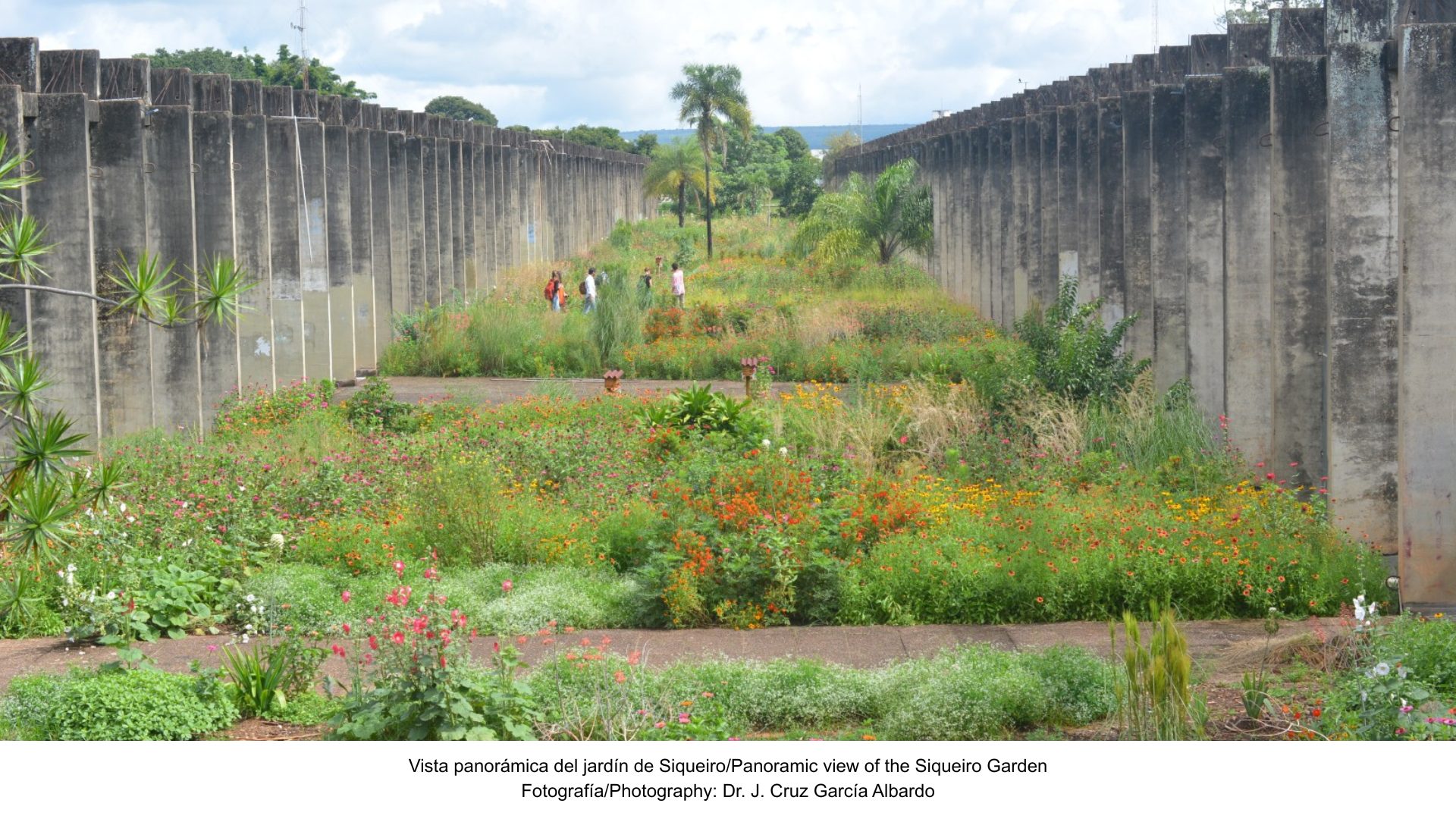
Read MoreJoin Dr. J. Cruz in “The Siqueiro Garden: A Naturalistic Oasis in the Heart of Brasília,” a project where the integration of native and Mexican flora creates a haven of biodiversity that challenges the use of conventional lawns. This colorful garden is presented as an ideal landscape model to be replicated in public spaces across Latin America.
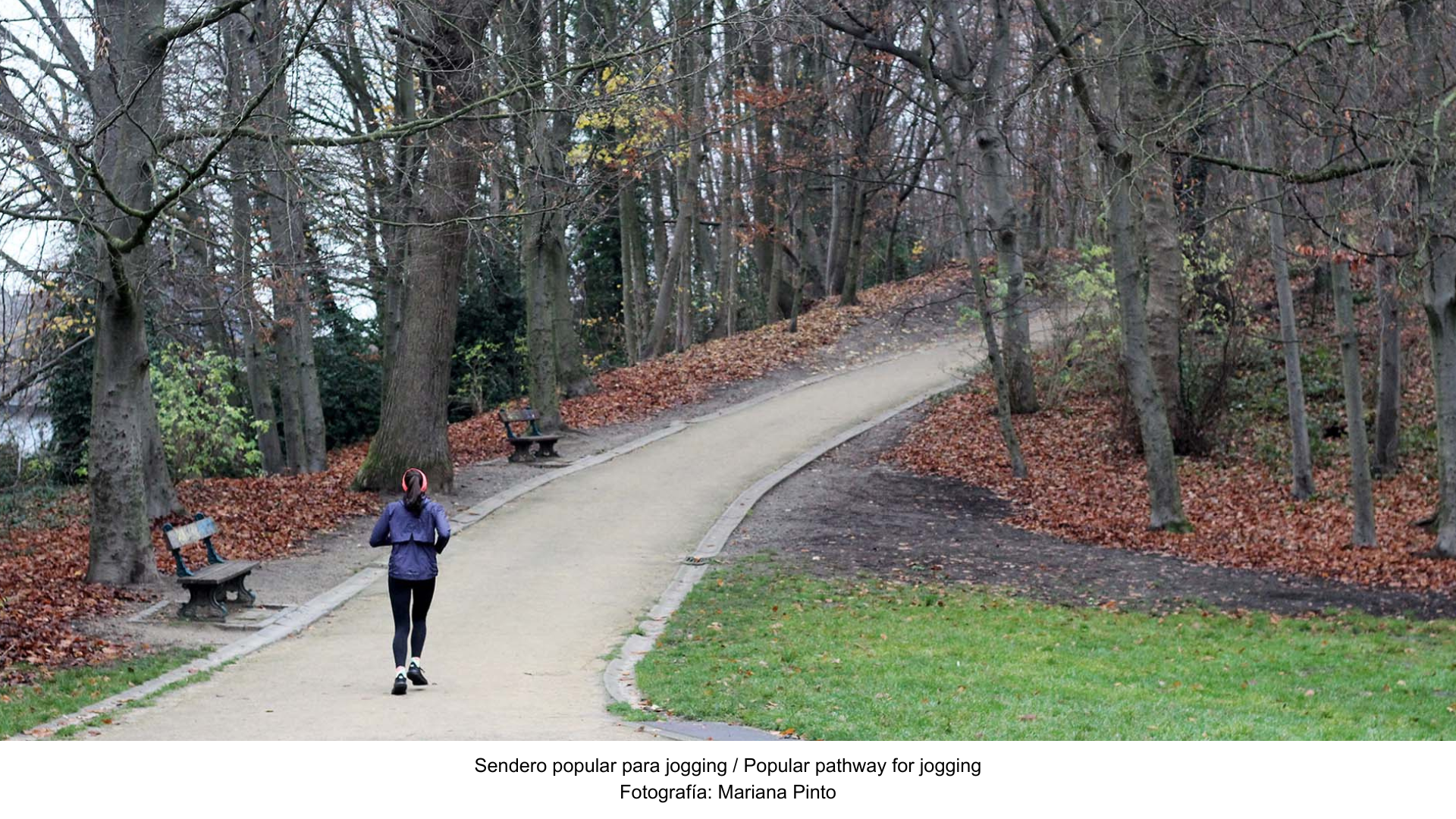
In her article “It’s uncomfortable for me, but good for nature,” Mariana Pinto shows us how winter changes the rhythm of the park while coexisting with the conservation of a valuable urban ecosystem, raising an urgent question about safety without sacrificing biodiversity.