
Seed bank: saving life for the future
Dr. Amaranta Arellano Rivas invites us to discover Seed bank: saving life for the future, a process that helps conserve local plant species, extend seed viability, and ensure their availability, thereby contributing to the preservation of genetic diversity.
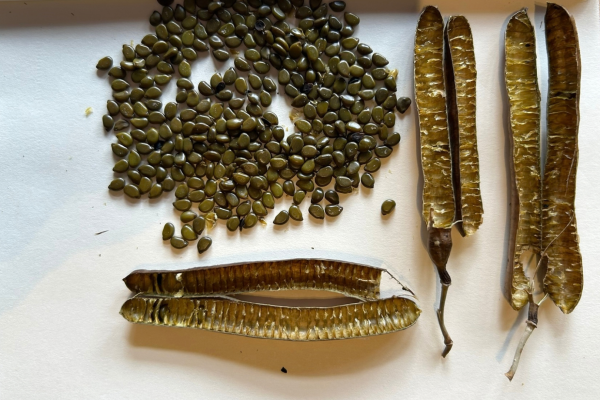
Diversidad de semillas/ Seed diversity
Ilustración/ Illustration: Canva
In botanical terms, a seed is a mature, previously fertilized ovule that contains an embryo, which will remain protected until germination. This embryo will develop into a new individual carrying the genetic information of its parent plants. Therefore, the seed’s role is to perpetuate the inheritance passed down to it by its ancestors.
It is possible that, after defining a seed, some questions may arise about how an embryo can remain dormant and, in due course, nourish itself when it has not yet acquired the ability to photosynthesize. The secret lies in the endosperm, a tissue that functions as a pantry for the embryo, with reserves of sugars, oils, and proteins to sustain it.
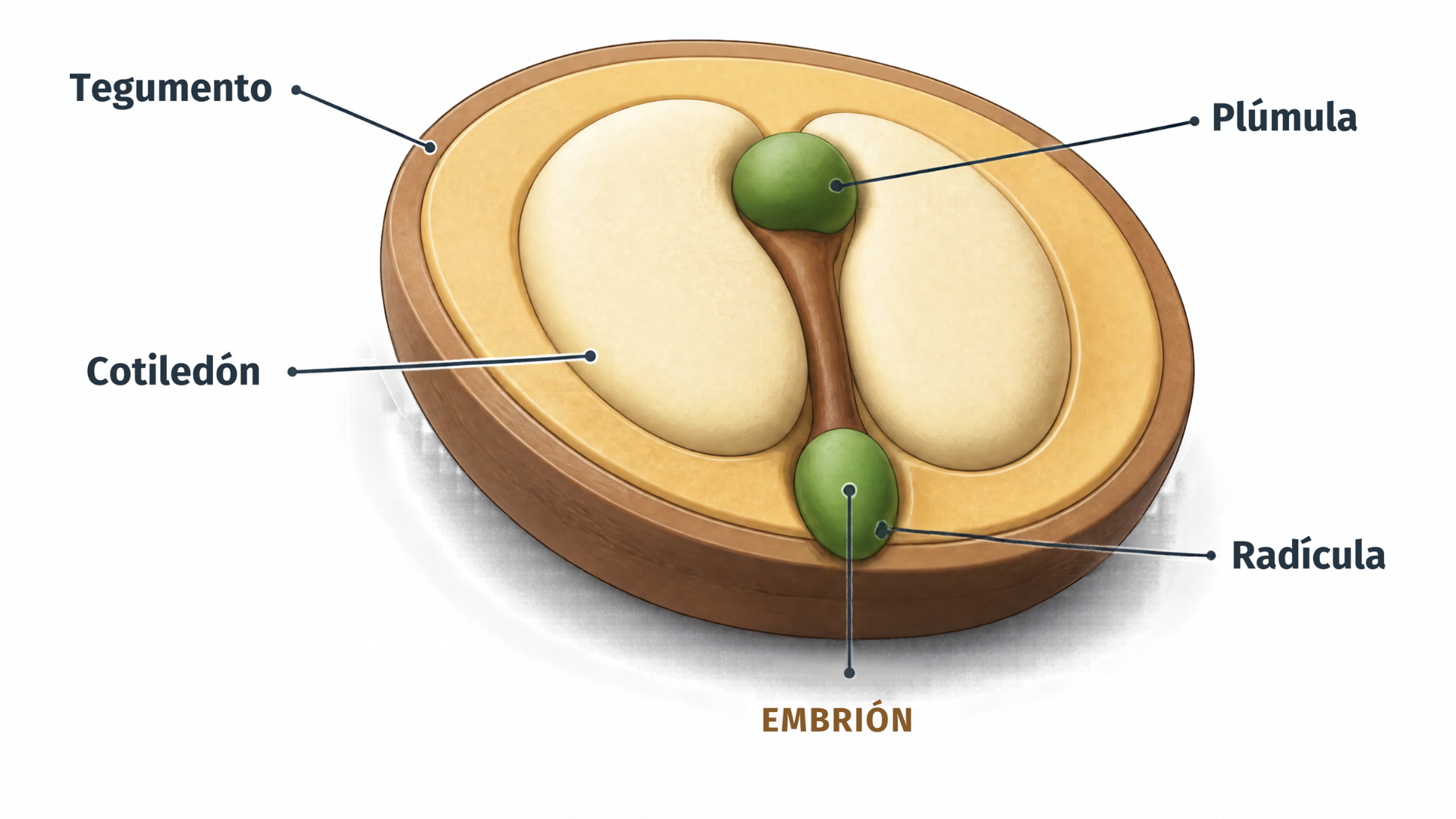
Partes de una semilla/ Parts of a seed
Ilustración/ Illustration: Canva
The right time to store seeds is key to primarily promoting the conservation of the genetic diversity of different local species by safeguarding the germplasm of plant groups that may be threatened by pests and diseases, at risk due to the loss of their natural habitat, or of medicinal, agricultural, or ritual importance to humans and their environment.
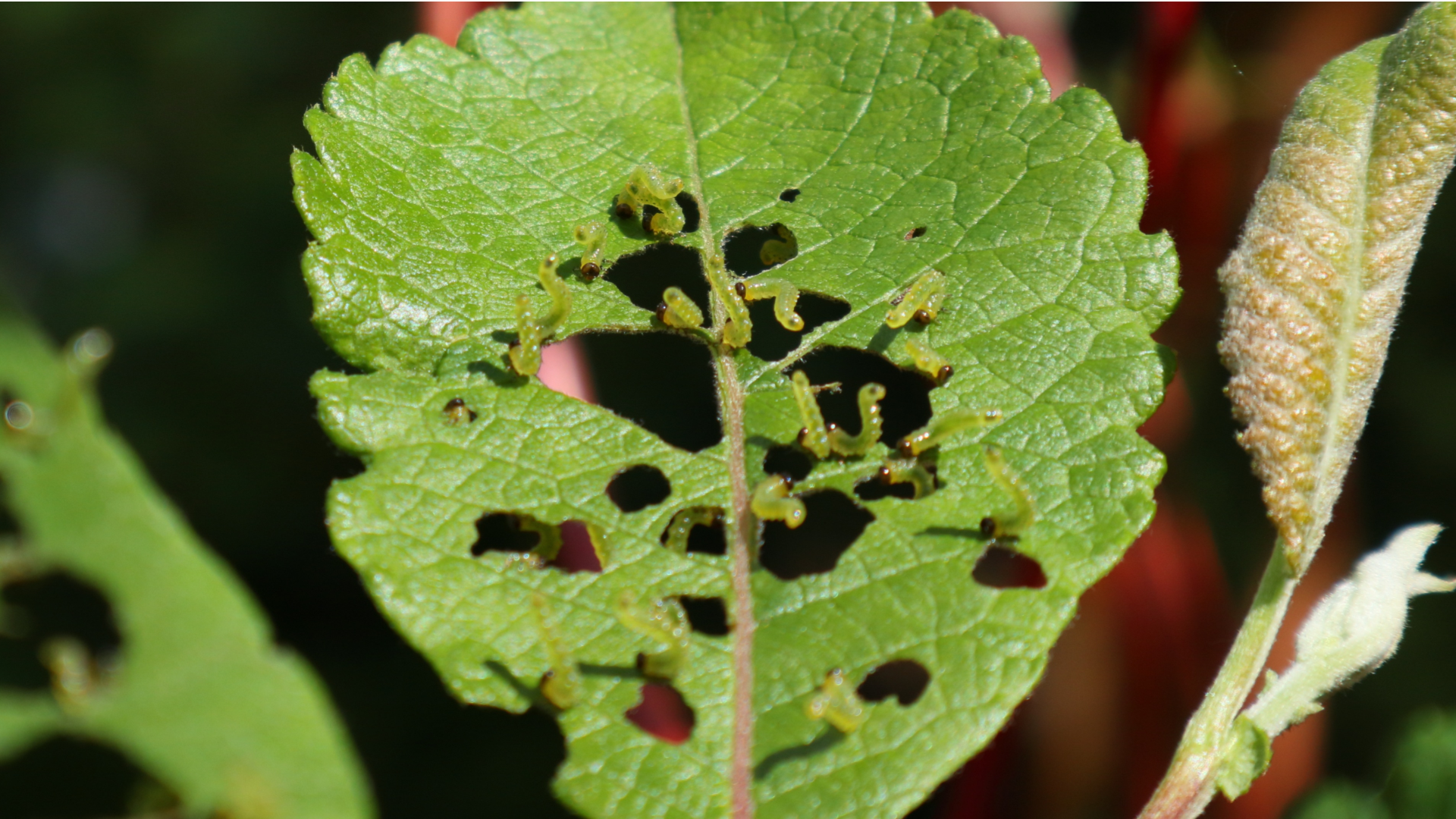
Plantas atacadas por plagas/ Plants attacked by pests
Ilustración/ Illustration: Canva
This process allows seeds to remain dormant for longer periods of time than under natural conditions, ensuring their availability for use in various propagation efforts, in situations of risk, and as a preventive measure.
The timing of storage will depend on the type of seed to be preserved; therefore, it is essential to understand how seeds are classified. According to National Institute for Forestry, Agriculture, and Livestock Research (INIFAP) 2023, the group of orthodox seeds includes most tropical and temperate forest species, which must be dried until they reach a moisture content of between 5 and 10%. Seeds in this group can withstand low moisture content without affecting their viability. On the other hand, the recalcitrant group includes many forest species whose moisture content cannot fall below 30 to 35%; otherwise, their viability is lost.
There are various reasons why seed storage is a reliable option for conserving different plant species in the face of various conditions arising from global climate change, human overpopulation in some parts of the planet, food shortages, the expansion of livestock production, the fragmentation of natural habitats, the illegal wildlife trade, and monocultures. These factors have affected the genetic variability of some plant groups, leading to a loss of resistance to pathogens and various abiotic factors.
In a study published in Plants, People, Planet, 224 plants closely related to maize, potato, bean, squash, chili pepper, vanilla, avocado, tomatillo, and cotton crops were analyzed. The results revealed that 35% of these wild plants are threatened with extinction due to the conversion of natural habitats for human use and the abandonment of traditional agricultural methods, which have been replaced by mechanization and the widespread use of herbicides and pesticides. Invasive species, pests, contamination from genetically modified crops, overharvesting, and logging pose additional threats (CONABIO, 2021).
In contrast, there are success stories, such as the Seed Bank of the Faculty of Higher Studies at National Autonomous University of Mexico (UNAM), where 3,100 species of native, endemic, and wild plants, as well as endangered species, collected across 26 states of the Mexican Republic, are safeguarded (Méndez, 2024).
Germplasm banks are large repositories where the genetic material of various species is stored through collections of seeds or plant tissue. Their objective is to establish mechanisms that ensure the conservation and availability of seeds for the future. According to the Secretariat of Agriculture and Rural Development (2023), in Mexico, 89% of the material preserved in the seed collection corresponds to important agricultural species such as maize, beans, chili peppers, rice, amaranth, squash, tomatoes, tomatillos, cotton, and quelite.
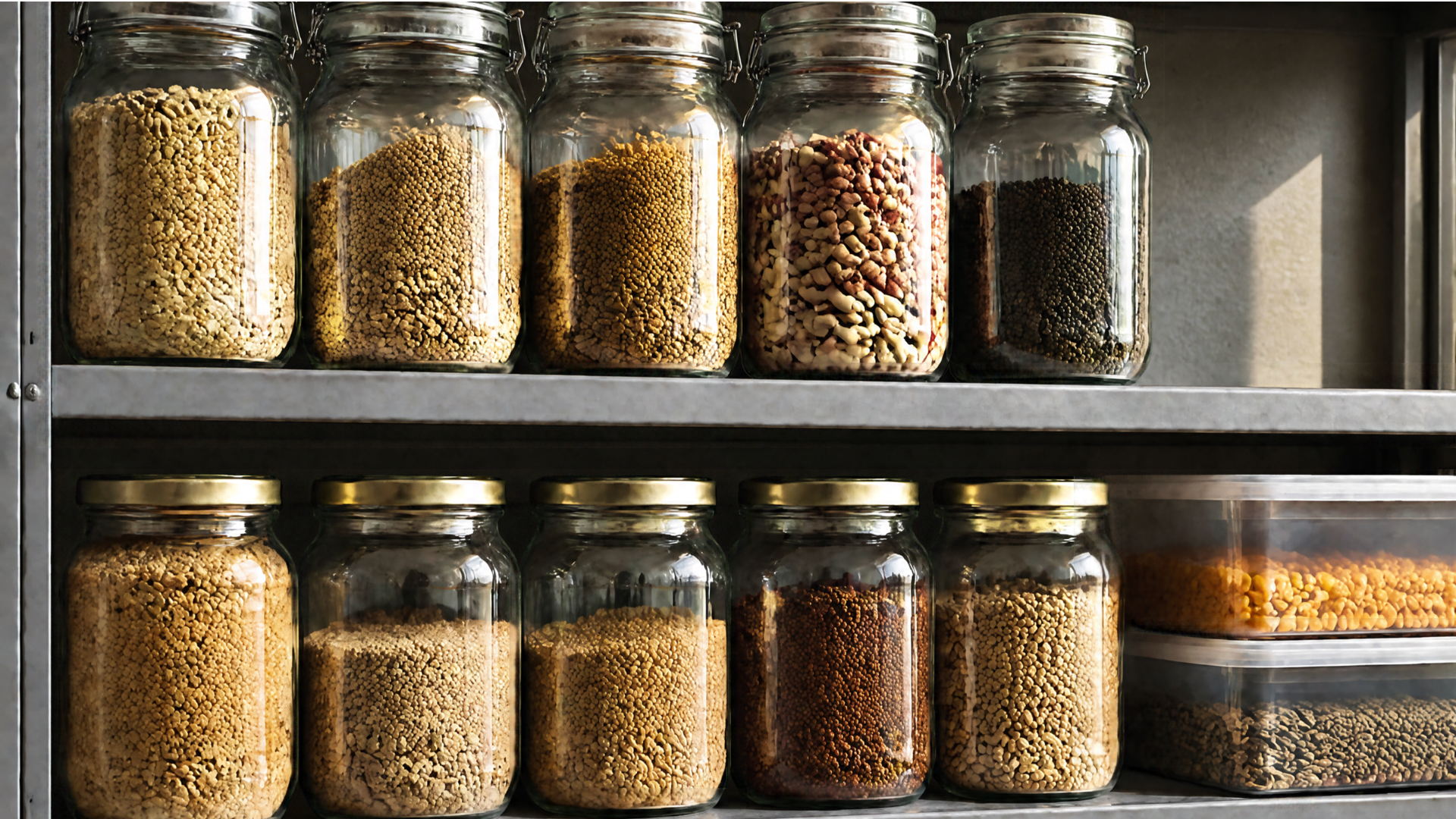
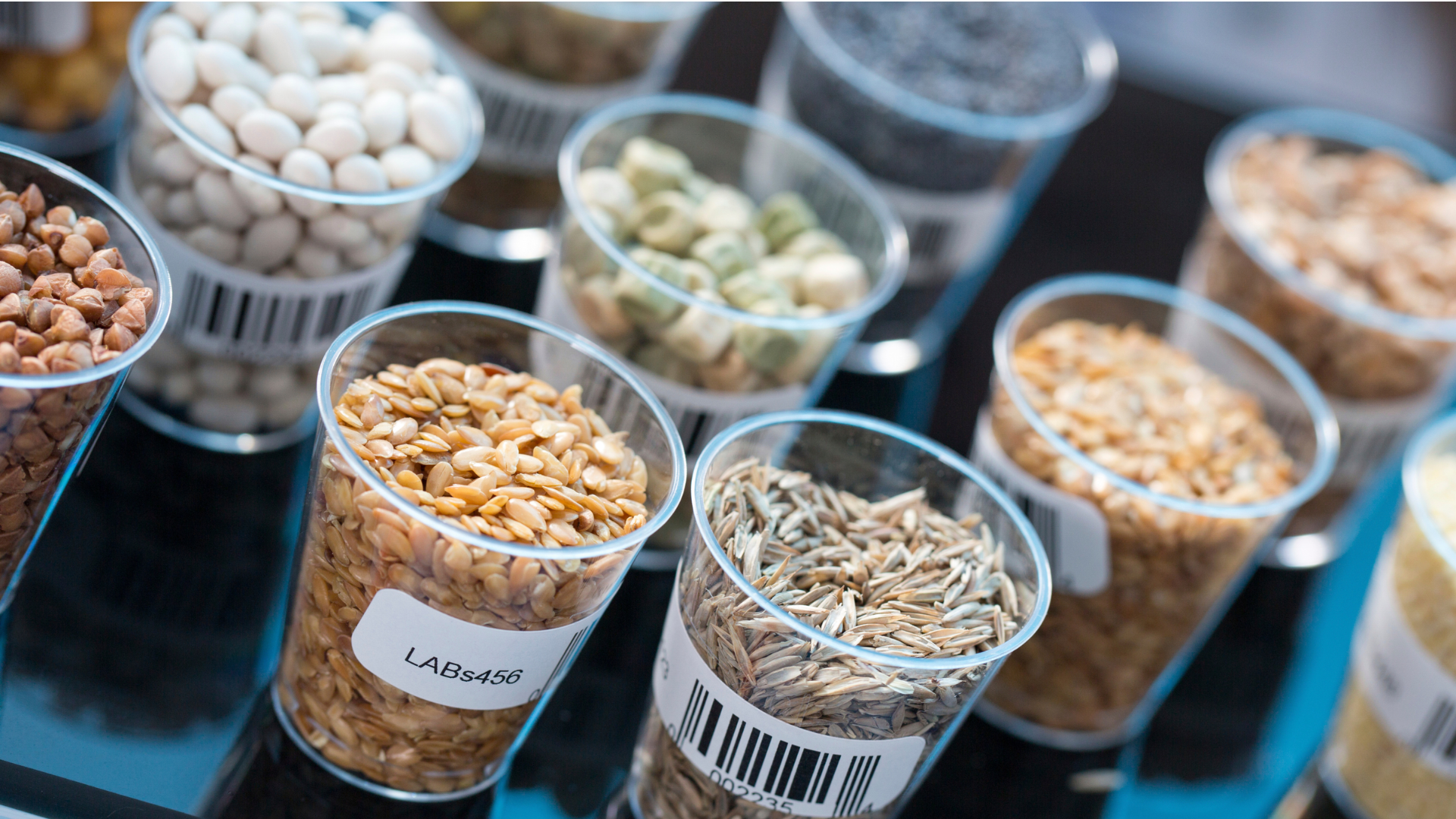
Banco de semillas/ Seed bank
Ilustración/ Illustration: Canva
In Mexico, 89% of the material preserved in seed collections consists of important agricultural species, such as maize, beans, chili peppers, rice, amaranth, squash, tomatoes, and cotton.
In addition, Mexico has community seed banks, which provide an alternative model for the collective management of germplasm reserves needed for planting among producers in the communities where they are established (National Seed Inspection and Certification Service, 2017).
By keeping seeds in a stable environment, with controlled conditions of temperature, humidity, light, and oxygen, the likelihood of their being exposed to environmental stress is reduced, allowing them to remain viable and well adapted. Although proper seed storage is important, seeds have generally evolved to be quite resilient. They can be harvested and, in some cases, survive in storage longer than expected (Seed Savers Exchange, 2026).
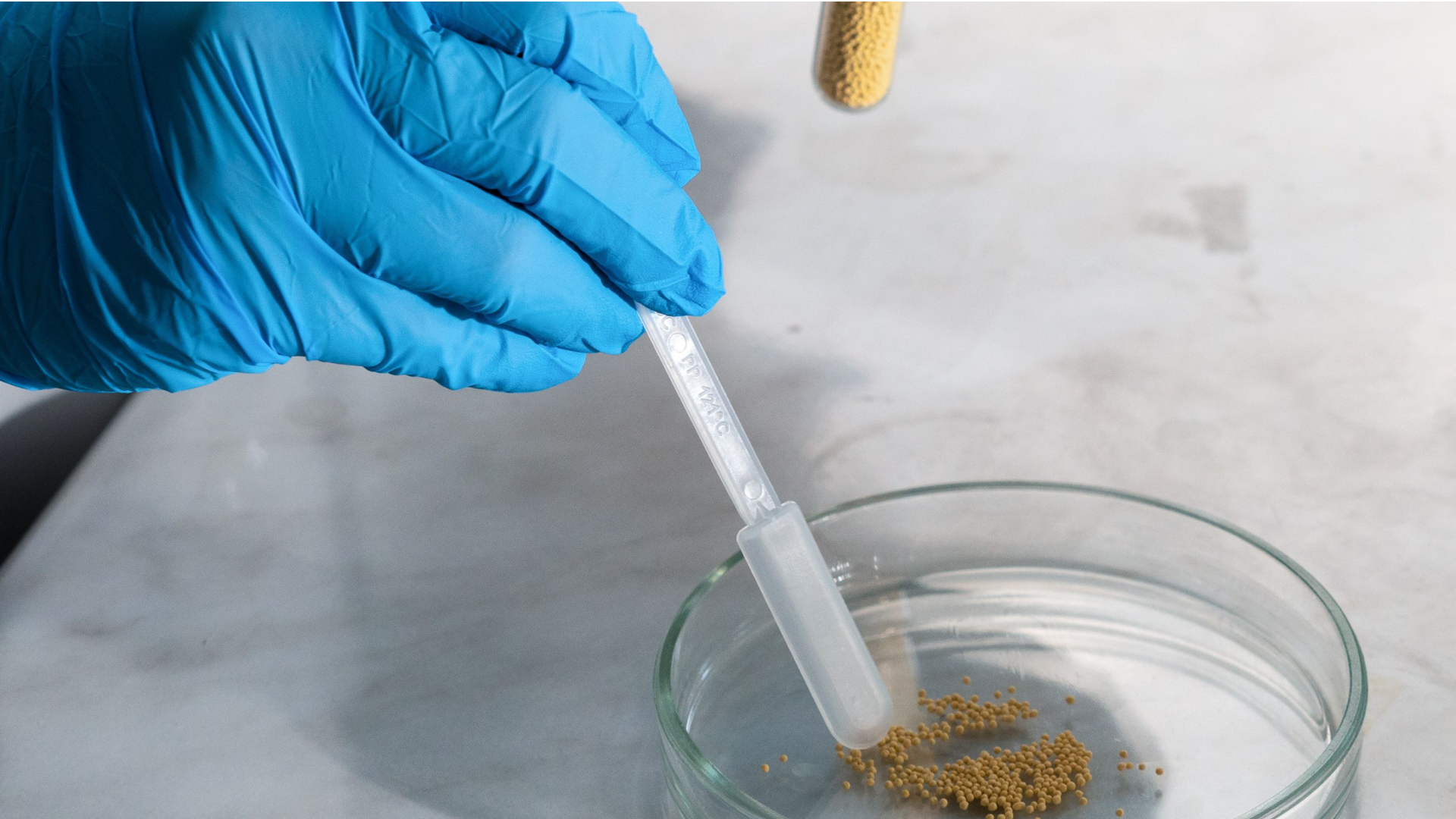
Semillas vistas al microscopio/ Seed viewed under a microscope
Ilustración/ Illustration: Canva
According to the recommendations of Seed Savers Exchange (2026), seeds should be stored in a cool place where the temperature remains stable. Although freezing is not necessary, they can be kept refrigerated to prolong their viability. It is important to note that the storage location must be dry to prevent germination or the growth of fungi. Likewise, eliminating any source of moisture is essential to prevent damage if refrigeration or freezing is chosen for their preservation.
Regarding light, it is recommended that seeds be stored in a dark place to prevent germination and microbial activity. In addition, it is necessary to use opaque containers, glass jars, or metal containers. In some cases, bags are used, always allowing the seeds to breathe. Finally, a seed’s viability will depend on the type of seed and careful storage.
References
Comisión Nacional para el Conocimiento y Uso de la Biodiversidad (CONABIO). “Las amenazas a parientes silvestres de cultivos comprometen la seguridad alimentaria y los medios de vida.” Gobierno de México, September 7, 2021. https://www.gob.mx/conabio/prensa/las-amenazas-a-parientes-silvestres-de-cultivos-comprometen-la-seguridad-alimentaria-y-los-medios-de-vida-281997.
Instituto Nacional de Investigaciones Forestales, Agrícolas y Pecuarias (INIFAP). “Semillas tropicales ortodoxas y recalcitrantes para plantaciones forestales.” Gobierno de México. February 16, 2023. https://www.gob.mx/inifap/es/articulos/semillas-tropicales-ortodoxas-y-recalcitrantes-para-plantaciones-forestales?idiom=es.
Méndez, Fabiola. “El Banco de Semillas de la FES Iztacala, único en América Latina.” Gaceta UNAM, March 18, 2024. https://www.gaceta.unam.mx/el-banco-de-semillas-de-la-fes-iztacala-unico-en-america-latina/.
Secretaría de Agricultura y Desarrollo Rural. “Productor, productora, ¿ya conoces los bancos de germoplasma? Aquí te contamos.” Gobierno de México, November 17, 2023. https://www.gob.mx/agricultura/articulos/productor-productora-ya-conoces-los-bancos-de-germoplasma-aqui-te-contamos?idiom=es.
Seed Savers Exchange. “How to Store Seeds.” Seed Savers Exchange. Accessed October 26, 2026. https://seedsavers.org/storing-seeds/.
Servicio Nacional de Inspección y Certificación de Semillas (SNICS). “Bancos Comunitarios de Semillas como estrategia de conservación in situ.” Gobierno de México, April 18, 2017. https://www.gob.mx/snics/acciones-y-programas/bancos-comunitarios-de-semillas-como-estrategia-de-conservacion-in-situ.
Vázquez-Yanes, Carlos, and Jorge R. Toledo. “El almacenamiento de semillas en la conservación de especies vegetales: problemas y aplicaciones.” Boletín de la Sociedad Botánica de México, no. 49 (1989): 61–69. https://doi.org/10.17129/botsci.1366.


 13.26.42.png "Captura de Pantalla 2023-02-08 a la(s) 13.26.42")