

Seed banks in cities
Arath Macias explora en Los bancos de semillas en las ciudades cómo la recolección consciente de semillas nativas, a través de cinco pasos, puede contribuir a regenerar los ecosistemas urbanos y preservar la biodiversidad frente al predominio de especies exóticas y la falta de regulaciones oficiales para su colecta.
The global rise of native plants has driven up demand for plant material for propagation. In Mexico, one of the five most megadiverse countries on the planet, this trend takes on particular significance. With an enormous diversity of species —including orchids, cacti, agaves, bromeliads, oaks, and pines— the country faces a shared responsibility among the scientific community, institutions, and civil society to ensure their conservation.
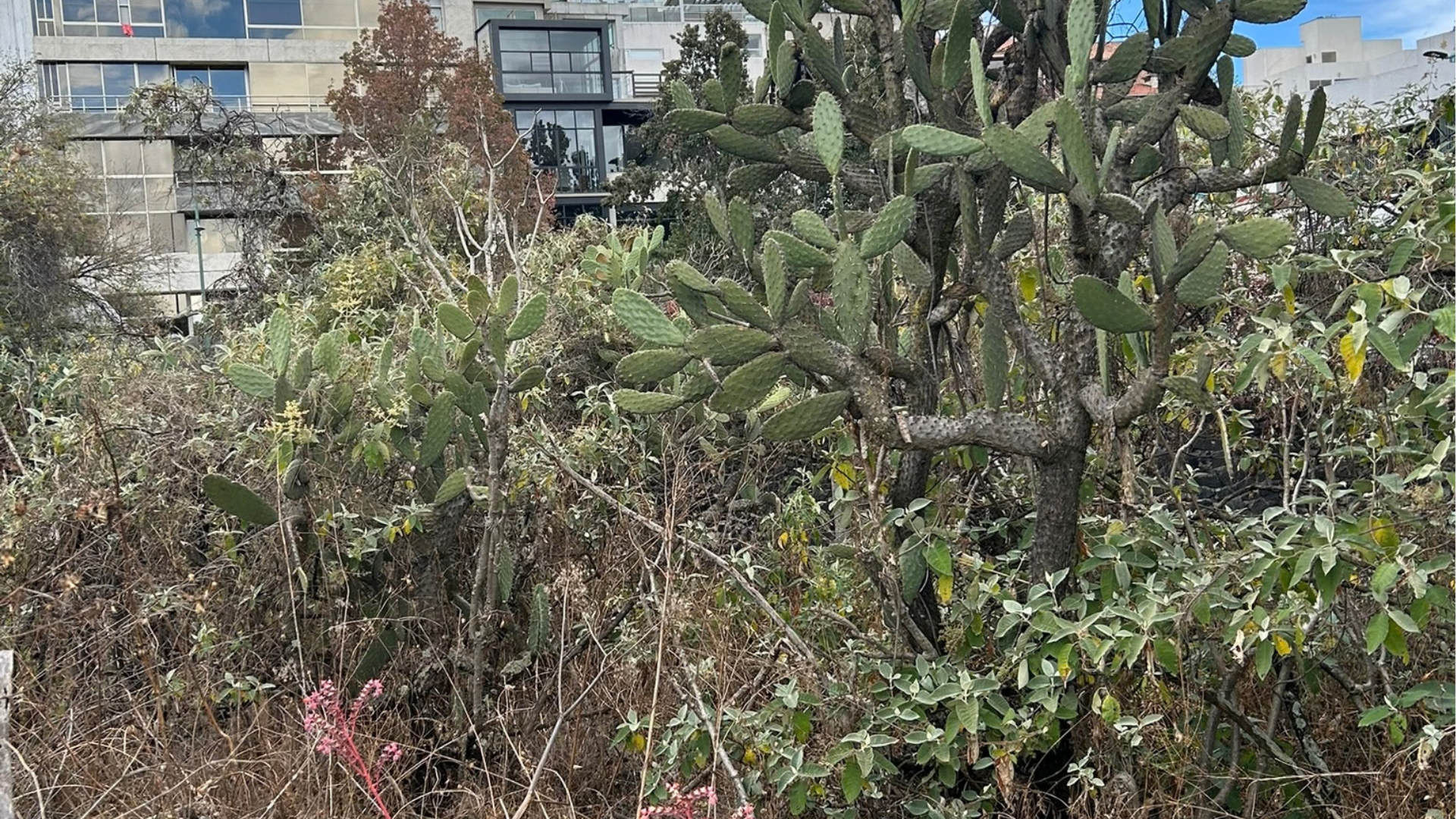
Paisaje del matorral de palo loco en el Pedregal, CDMX/ Landscape of the palo loco shrubland in Pedregal, Mexico City
Fotografía/Photography: Arath Macias
While collection and reforestation in natural environments are subject to official regulations aimed at preventing ecological imbalance, the situation in large cities is different: the lack of urban regulations has led to the dominance of exotic species. Reversing this scenario requires coordinating efforts that prioritize native flora, thereby regenerating urban ecosystems for the benefit of biodiversity and citizens.
Among the actions available to anyone, the creation of seed banks stands out. While collection has been an ancestral human practice, urban growth relegated it to the outskirts or to the agroindustrial sector, disconnecting city dwellers from this process.
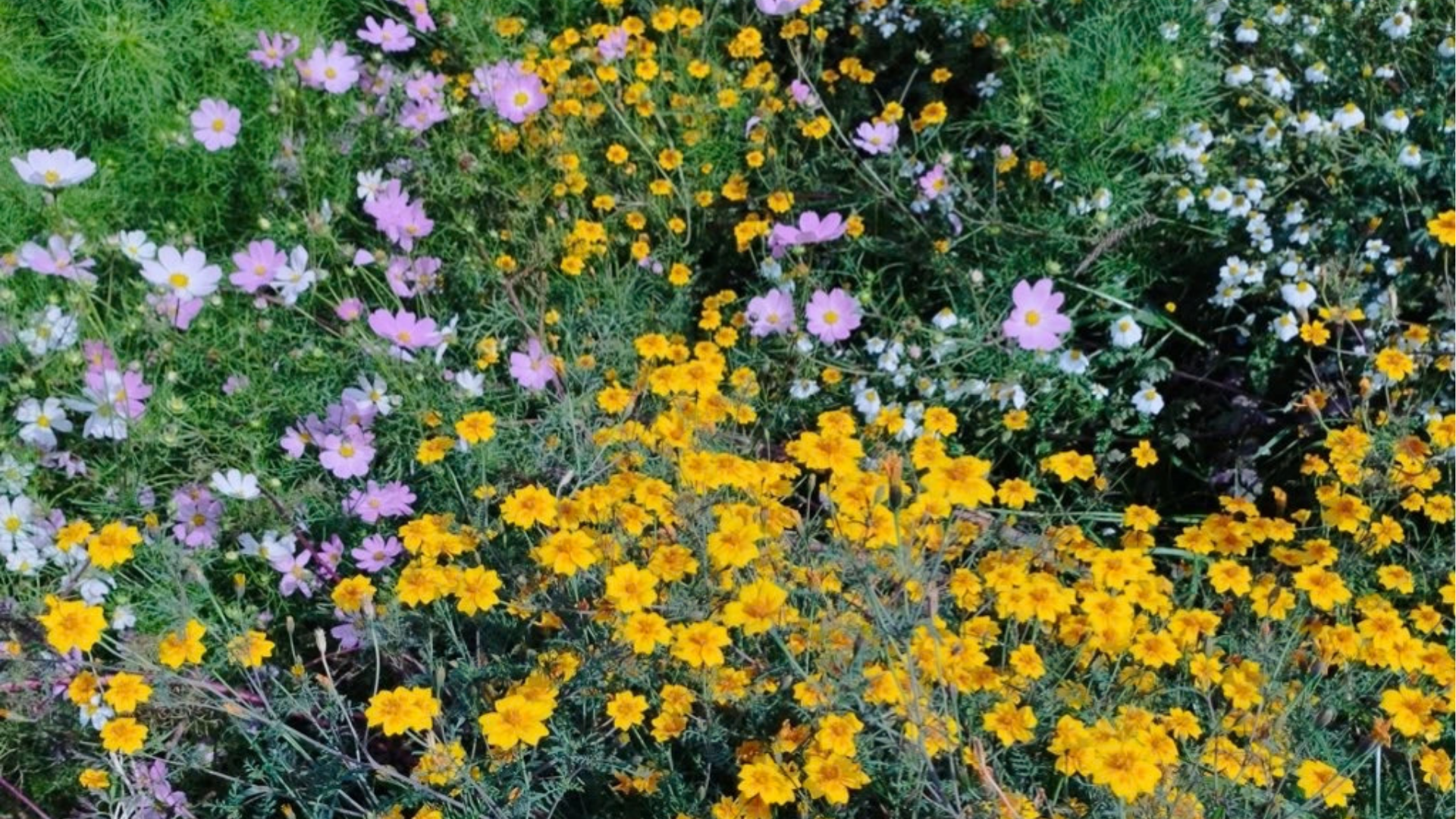
El creciente uso de especies nativas en jardines y parques urbanos ha favorecido su extracción ilegal de hábitats naturales, poniendo en riesgo sus poblaciones y su diversidad genética.
At the same time, the interest in designing urban gardens and parks with native species has generated an adverse side effect, for example, the poaching and illegal extraction of specimens from wild habitats. This practice reduces natural populations, weakens their genetic diversity, and accelerates their local disappearance.
In response to extractivism, the mindful collection of native seeds in urban populations emerges as an ethical and sustainable alternative. To maximize the viability of the germplasm, without compromising the persistence of the species in the site, the process should follow these steps:
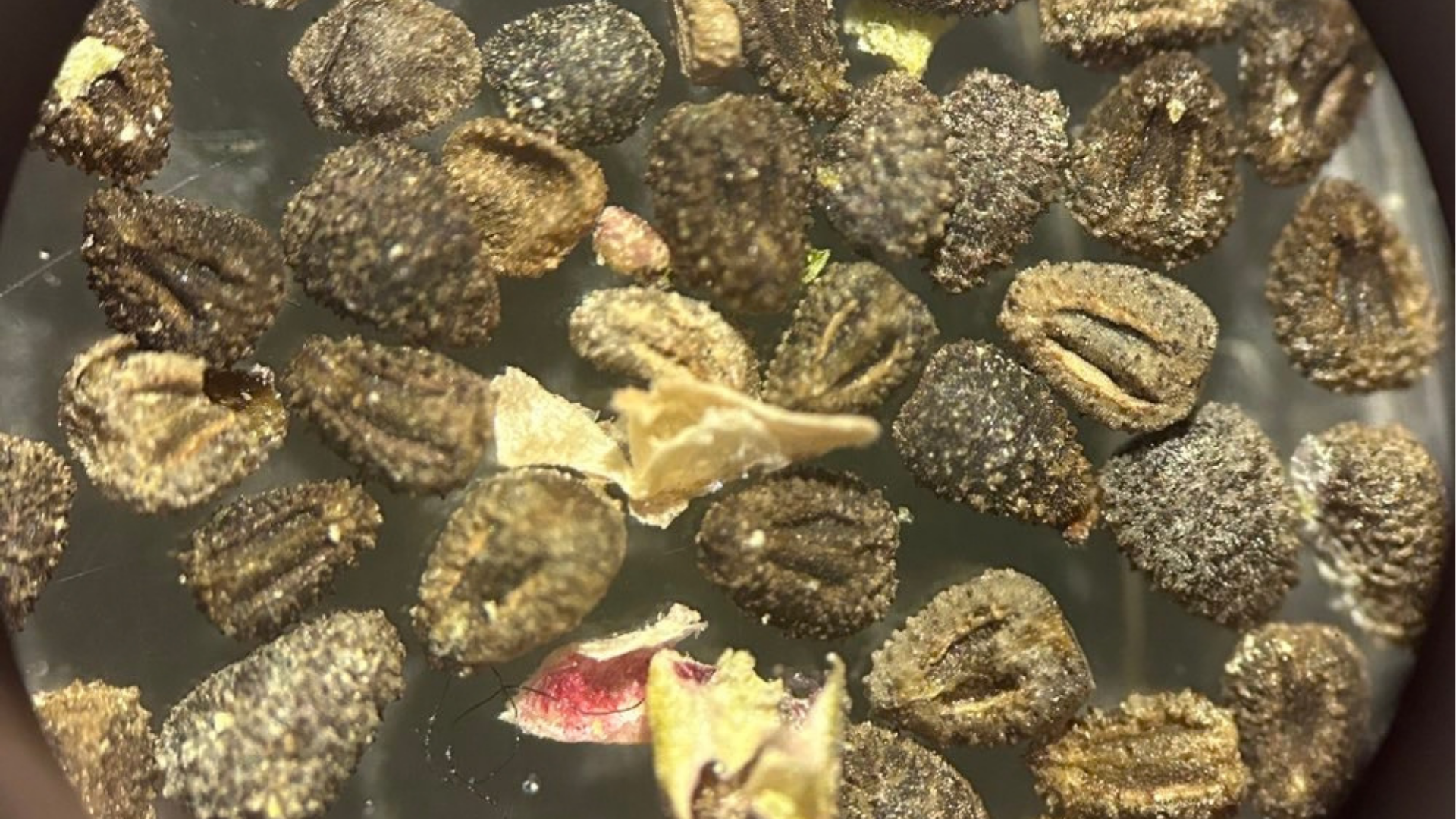
Semillas de plantas nativas vistas al microscopio estereoscópico/ Native plant seeds viewed under a stereoscopic microscope
Fotografía/Photography: Arath Macias
In response to extractivism, the mindful collection of native seeds in urban populations emerges as an ethical and sustainable alternative. To maximize the viability of the germplasm, without compromising the persistence of the species in the site, the process should follow these steps:
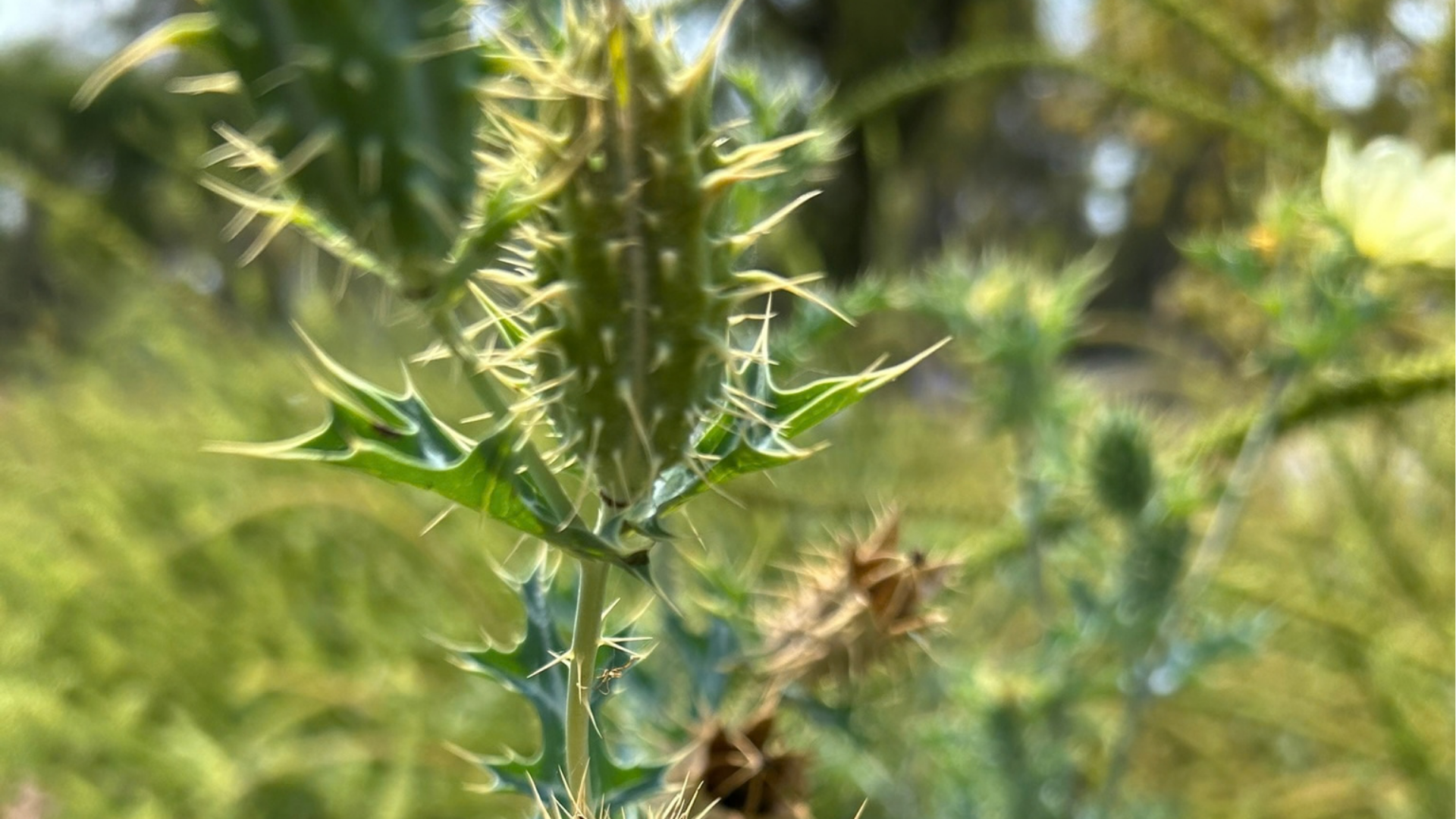
Frutos secos de Argemone ochroleuca creciendo en una banqueta de la CDMX/ Dry fruits of Argemone ochroleuca growing on a sidewalk in Mexico City
Fotografía/Photography: Arath Macias
- Phenological research: Understand the flowering and fruiting cycles of the species.
- Location and identification: Locate the collection site and confirm the identity of the plant.
- Selection: Identify ripe and healthy fruits.
- Germplasm collection: Extract seeds in a limited and non-destructive manner.
- Post-collection treatment: Carry out temporary storage, disinfection, and final storage of the seeds.
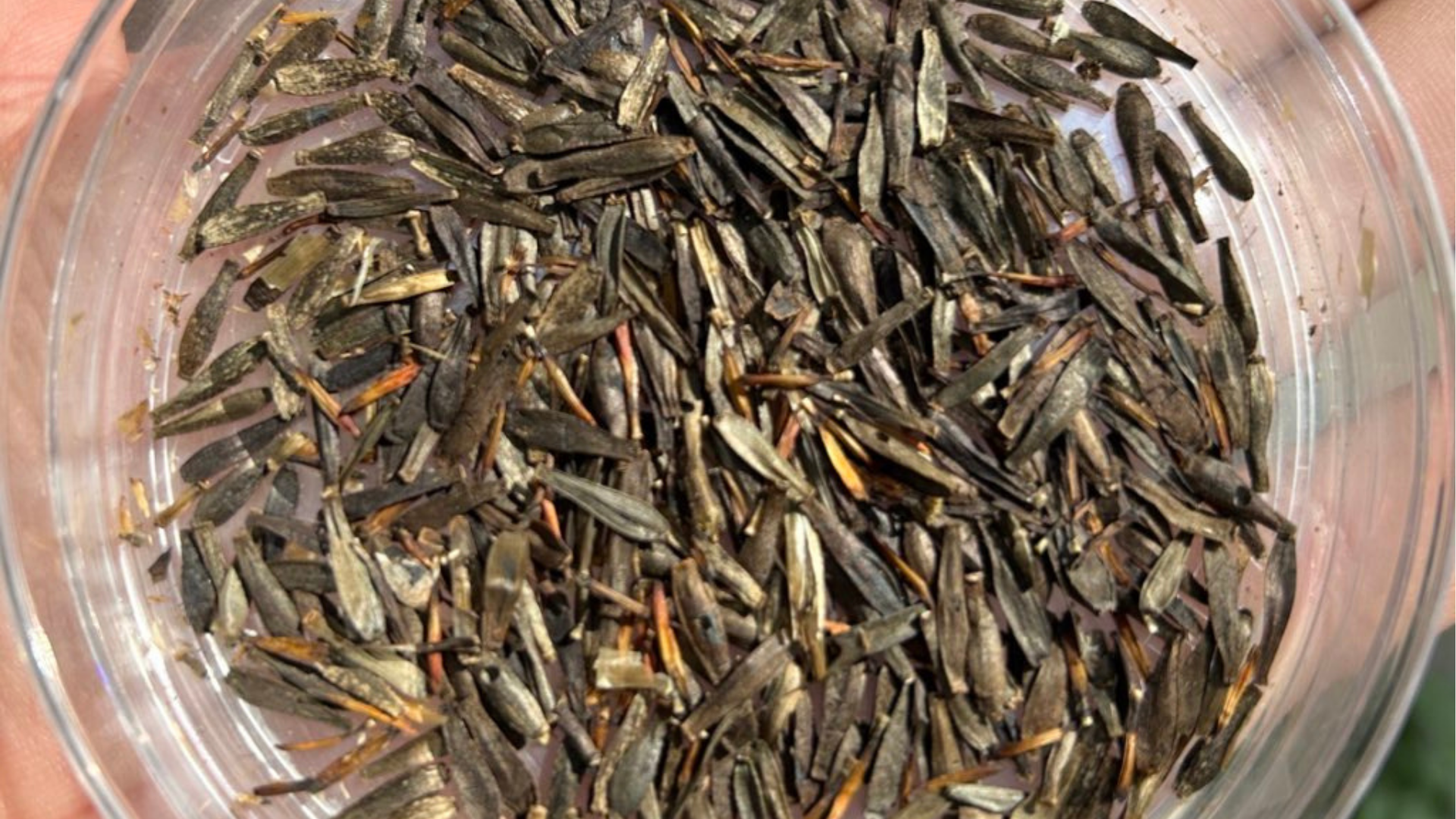
Semillas de Tagetes lunulata recién recolectadas en un jardín urbano/ Freshly collected Tagetes lunulata seeds from an urban garden
Fotografía/Photography: Arath Macias
Bio of the author:
Arath Macias is a biologist who graduated from the Faculty of Higher Studies Iztacala in 2021. He has worked in various fields related to plants, with a particular focus on native plants of the Valley of Mexico, especially pteridophytes in Mexico City and throughout the country.


 13.26.42.png "Captura de Pantalla 2023-02-08 a la(s) 13.26.42")


