
Does the best pesticide have six legs?
Juan Manuel Salazar López and David Santiago, in Does the Best Pesticide Have Six Legs?, show us how biological control represents a sustainable alternative for agriculture, using natural enemies such as lacewings, coccinellids, and carabids for pest management and the reduction of chemical inputs.
In agriculture, contemporary society has a growing interest in reducing dependence on pesticides and the risks associated with their use, with the aim of protecting human health and the environment. However, to meet the specific needs of human society, several agricultural practices are commonly employed, including the establishment of monocultures of genetically similar or identical plants, the use of pesticides and chemical fertilizers, soil tillage, and the clearing of native vegetation cover, among others. These practices negatively affect the populations of natural enemies of herbivores, leading to pest outbreaks and diseases caused by fungi, bacteria, and viruses. These agents can be transmitted by different insect species while feeding on plants or through contact with them.
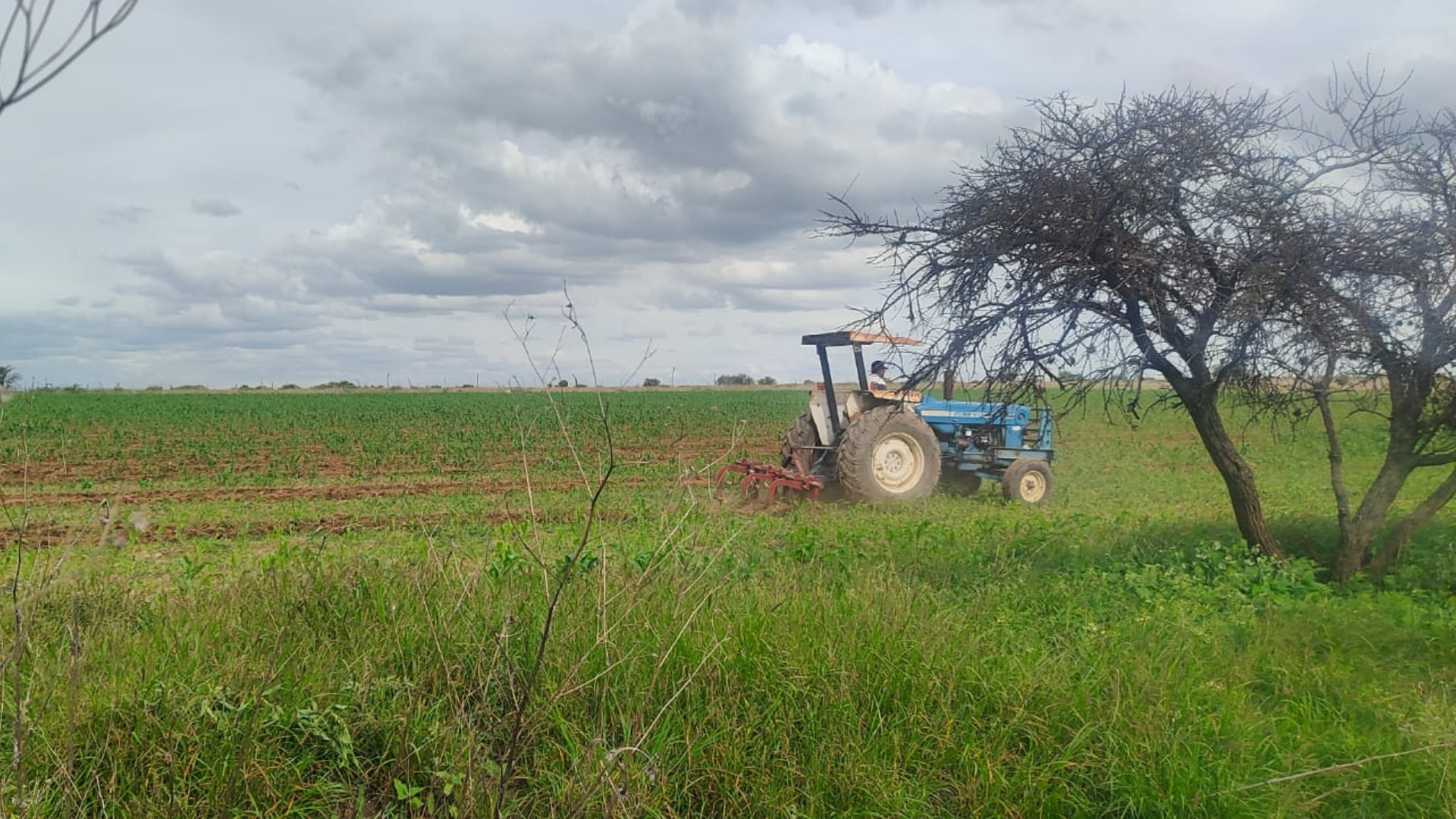
Prácticas comunes de la actualidad: arado del suelo, eliminación de cobertura vegetal, uso de fertilizantes químicos y monocultivos/ Common current practices: soil plowing, removal of vegetation cover, use of chemical fertilizers, and monocultures
Fotografía/Photography: David Santiago
One of the main reasons for restoring and maintaining biodiversity in agriculture is to strengthen ecological stability by improving the interactions among communities of plants, insects, fungi, and bacteria, thereby promoting the self-regulation of undesirable organism populations through predation, parasitism, and competition for space. This is known as Biological Control.
To achieve this, it is necessary to modify and adapt current cultivation methods by integrating practices such as crop rotation, increasing the diversity of cultivated plants—through the incorporation of nitrogen-fixing species into the soil—the maintenance of vegetation cover, and the so-called biological corridors; that is, uncultivated areas where native plant species and characteristic floristic elements of the region are preserved. The latter provide shelter, nesting sites, and food resources for a wide variety of organisms. In addition to functioning as growth reservoirs and natural corridors, they allow the movement of arthropods among different environments—including cultivated fields—thereby promoting the presence of natural enemies of phytophagous insects. In this way, the use of natural enemies to control insect pests is encouraged as an alternative to the use of chemical pesticides, or to reduce their application (Nicholls y Altieri, 1998).
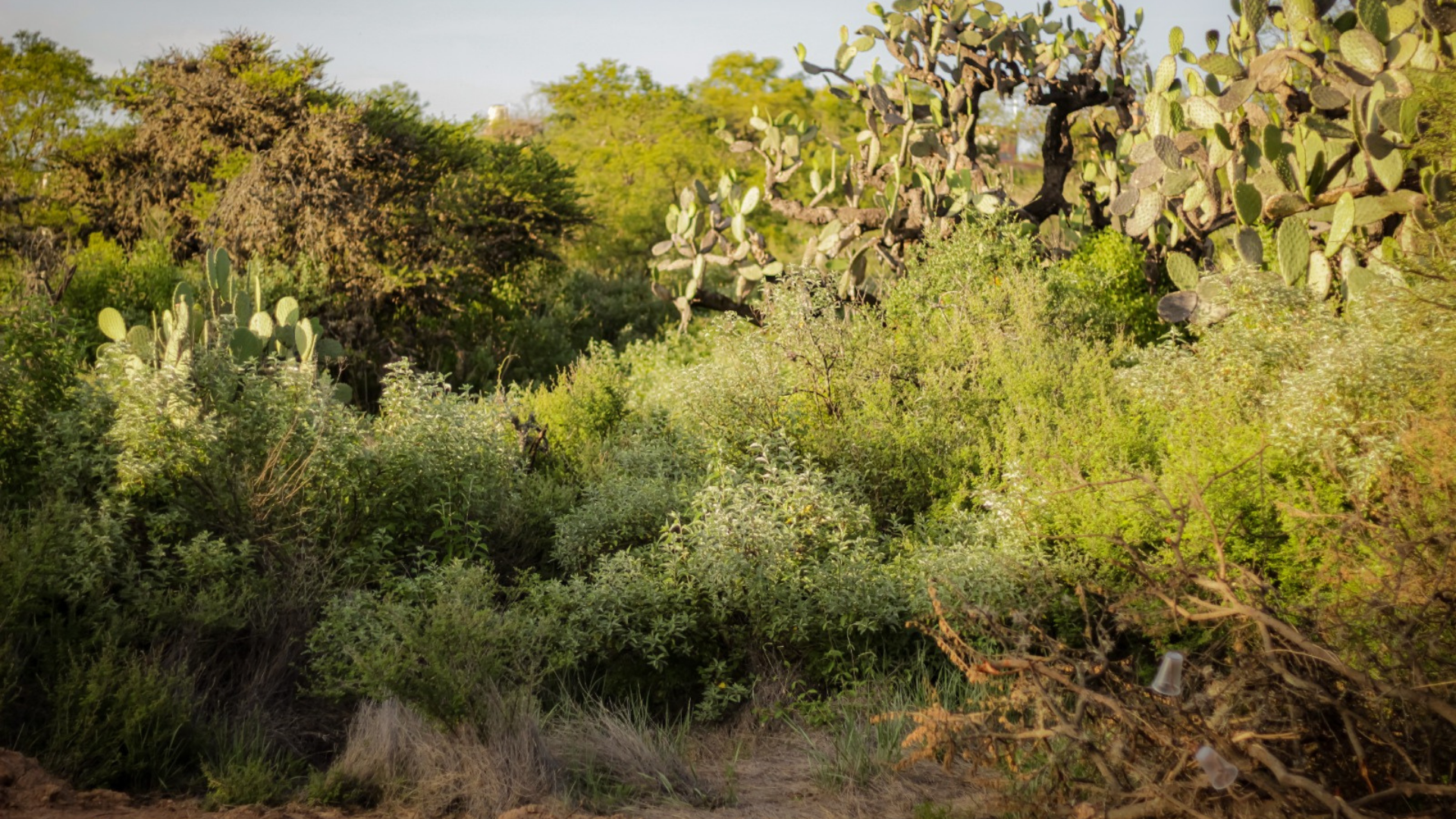
Corredores biológicos, espacios con diversidad de vegetación nativa que favorece la presencia y acción de enemigos naturales/ Biological corridors, spaces with a diversity of native vegetation that promote the presence and activity of natural enemies.
Fotografía/Photography: Juan M. Salazar
Insects are the most diverse and abundant group of organisms on the planet, and some species stand out for their role as natural predators. According to their feeding habits, they can be classified into two groups: chewing and sucking predators. The former simply chew and consume their prey; for example, lady beetles (Coccinellidae) and ground beetles (Carabidae). The latter possess piercing-sucking mouthparts, which they use to extract the body fluids of their prey; for example, assassin bugs (Reduviidae) and green lacewing larvae (Chrysopidae) (Nicholls and Altieri, 1998).
In this context, lacewings, insects of the order Neuroptera, are among the biological control agents most commonly used for the management of pests affecting a wide variety of crops. Adults of some species are predatory and supplement their diet with pollen and floral nectar, whereas the larvae are highly voracious and feed on a wide variety of phytophagous insects that consume plants or their parts. Among their main prey are aphids, scale insects, and other soft-bodied insects commonly found on plant foliage (INIFAP, 2024).
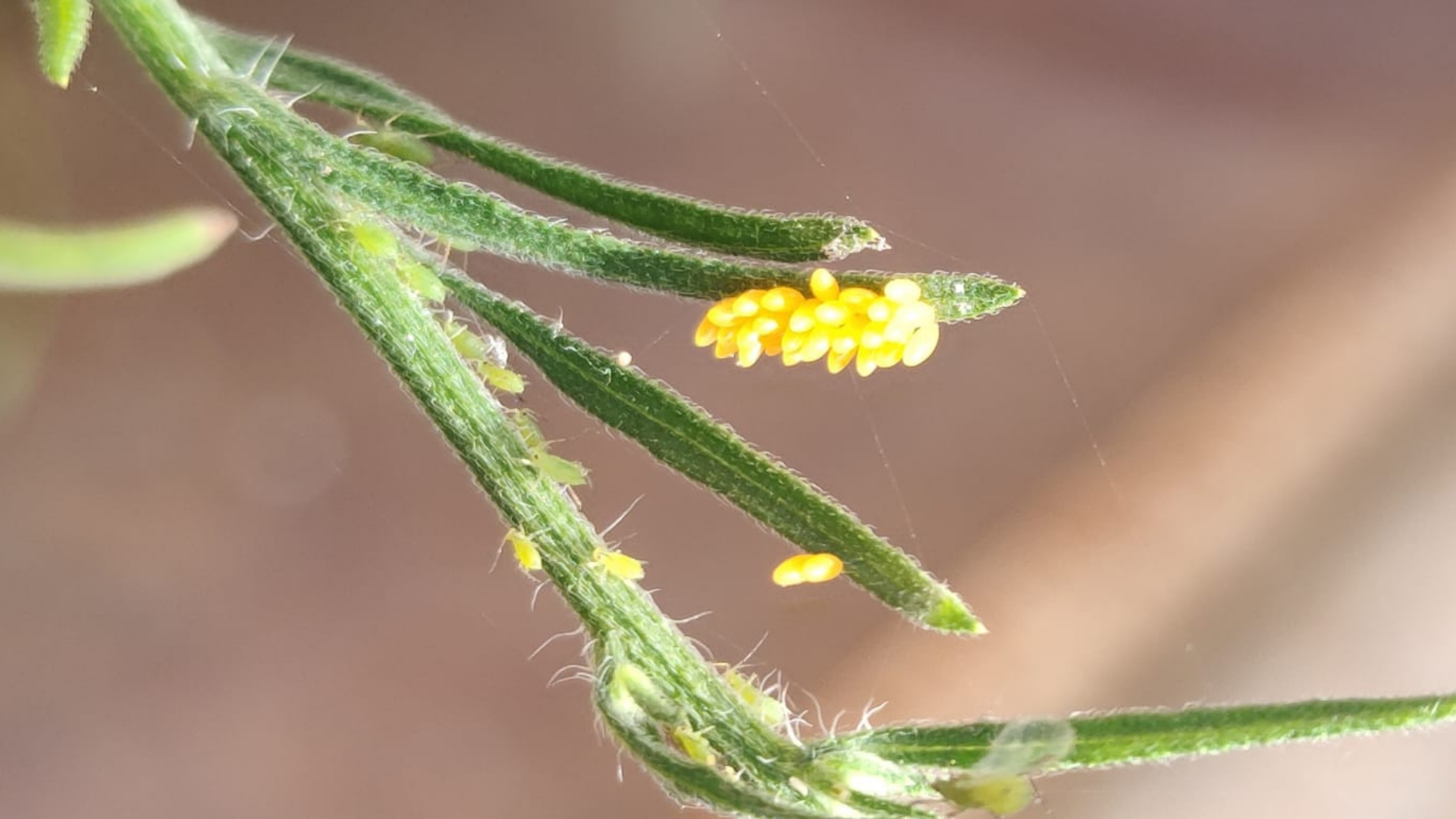
La mayoría de los insectos controladores de plagas depositan sus huevos cerca de sus presas. En amarillo, huevos de Coccinélidos (mariquitas o catarinas), cuyas larvas, al eclosionar, se alimentarán de los pulgones presentes en el tallo de la planta/ Most pest-controlling insects lay their eggs near their prey. In yellow, coccinellid eggs (ladybugs or ladybirds), whose larvae, once hatched, will feed on the aphids present on the plant stem.
Fotografía/Photography: David Santiago
Another group of organisms used in biological control programs belongs to the family Coccinellidae, a group of insects in the order Coleoptera, commonly known as lady beetles or ladybirds. This family includes approximately 6,000 described species, belonging to 360 genera and 42 tribes worldwide. In the vast majority of species, both larvae and adults are predators and feed on herbivorous insects such as aphids (Hemiptera: Aphididae), psyllids (Hemiptera: Psyllidae), scale insects (Hemiptera: Pseudococcidae), chrysomelid larvae (Coleoptera: Chrysomelidae), and mites (Acari: Tetranychidae). Particularly, coccinellids are a group of beetles of great economic importance due to their recurrent use in biological control and their high capacity to adapt to different habitats (Lara y Col., 2022).
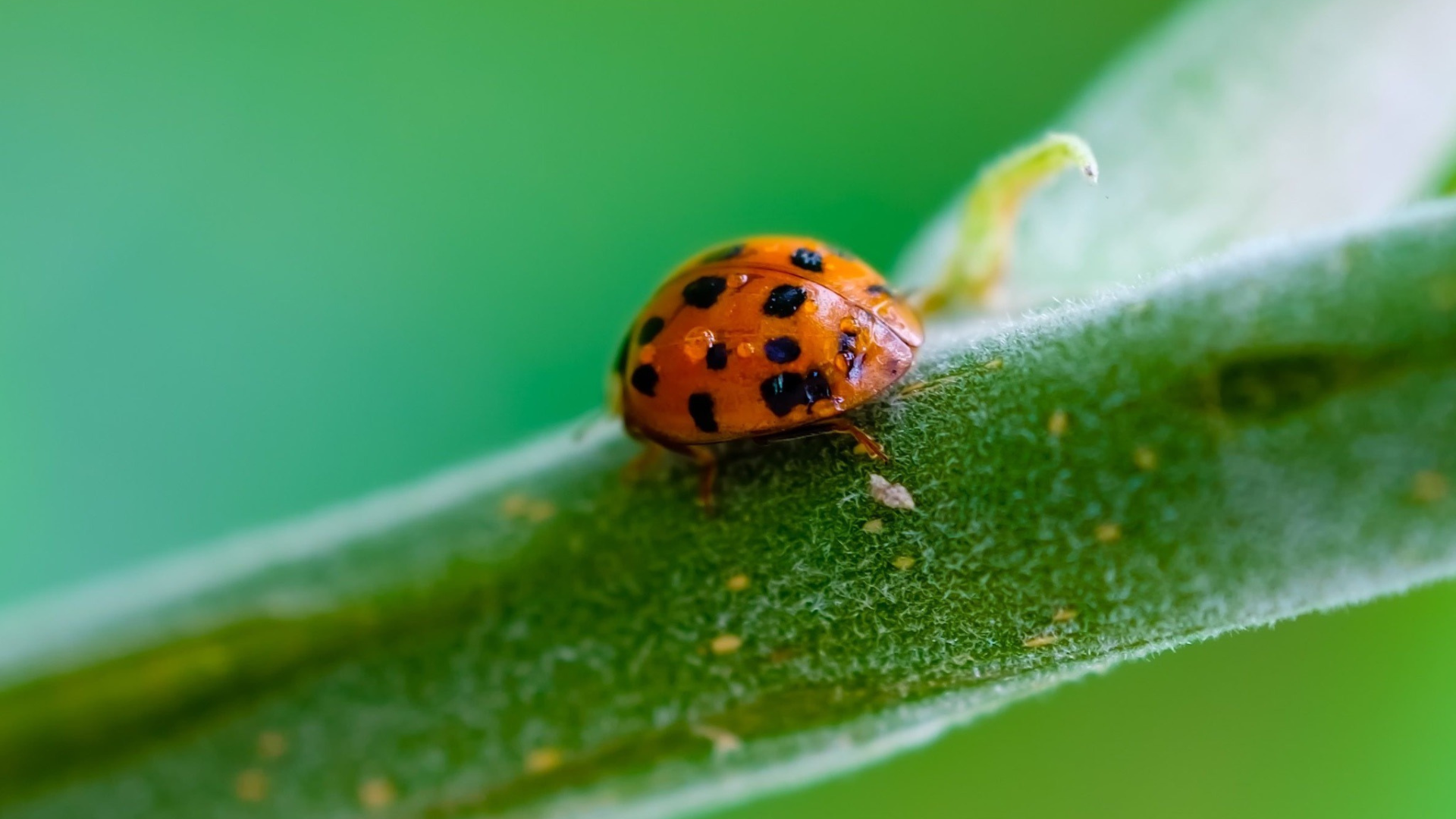
Catarina / Ladybug
Fotografía/Photography: Pexels
Finally, we have the family Carabidae. This group of beetles is characterized by its high diversity, with 39,000 described species, 1,960 genera, and 100 tribes worldwide. They are generalist predators and feed mainly at night. Some species live in the soil and climb plant foliage to feed. They measure between 8 and 25 mm in length and are dark-colored or metallic. In Latin America, field studies have reported that carabids have the potential to suppress pest populations. In a study conducted in Argentina, in an agricultural landscape composed of forest fragments and maize fields, researchers found that carabids and spiders were the most frequent and efficient predators, both at the edge and within the forest fragments (Cividanes, 2021).
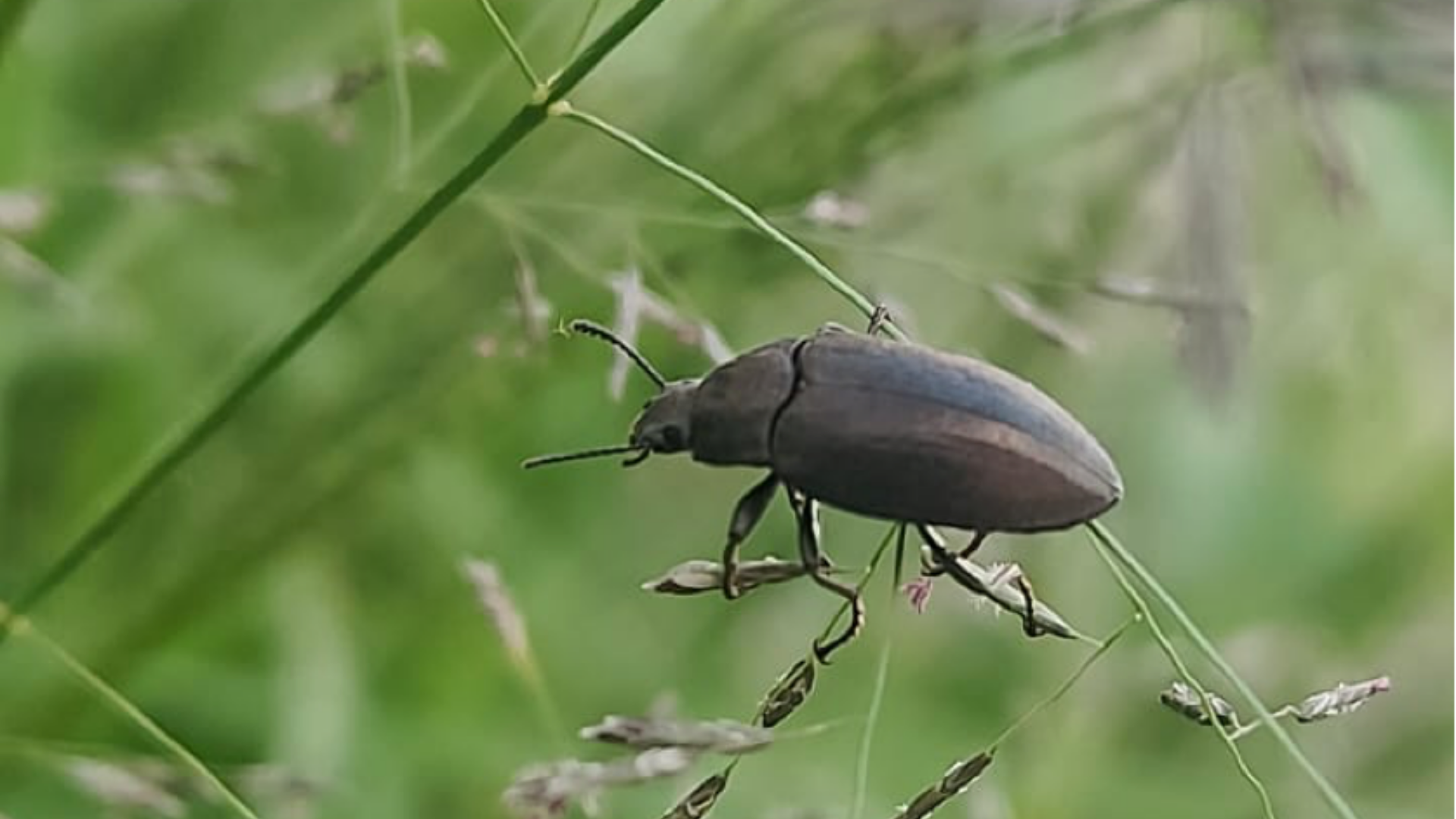
Ejemplar de la familia Carabidae, de coloración oscuro, desplazándose sobre la vegetación en busca de alimento/ Specimen of the Carabidae family, with dark coloration, moving through the vegetation in search of food
Fotografía/Photography: David Santiago
The loss of insect biodiversity, which represents by far the most abundant group of animals on the planet, foreshadows irreversible changes in most ecosystems due to the multiple functions and the significant benefits they provide. Lacewings, coccinellids, carabids, and other natural enemies represent an efficient, economically viable, and environmentally responsible alternative for reducing losses caused by phytophagous organisms while simultaneously decreasing dependence on chemical inputs.
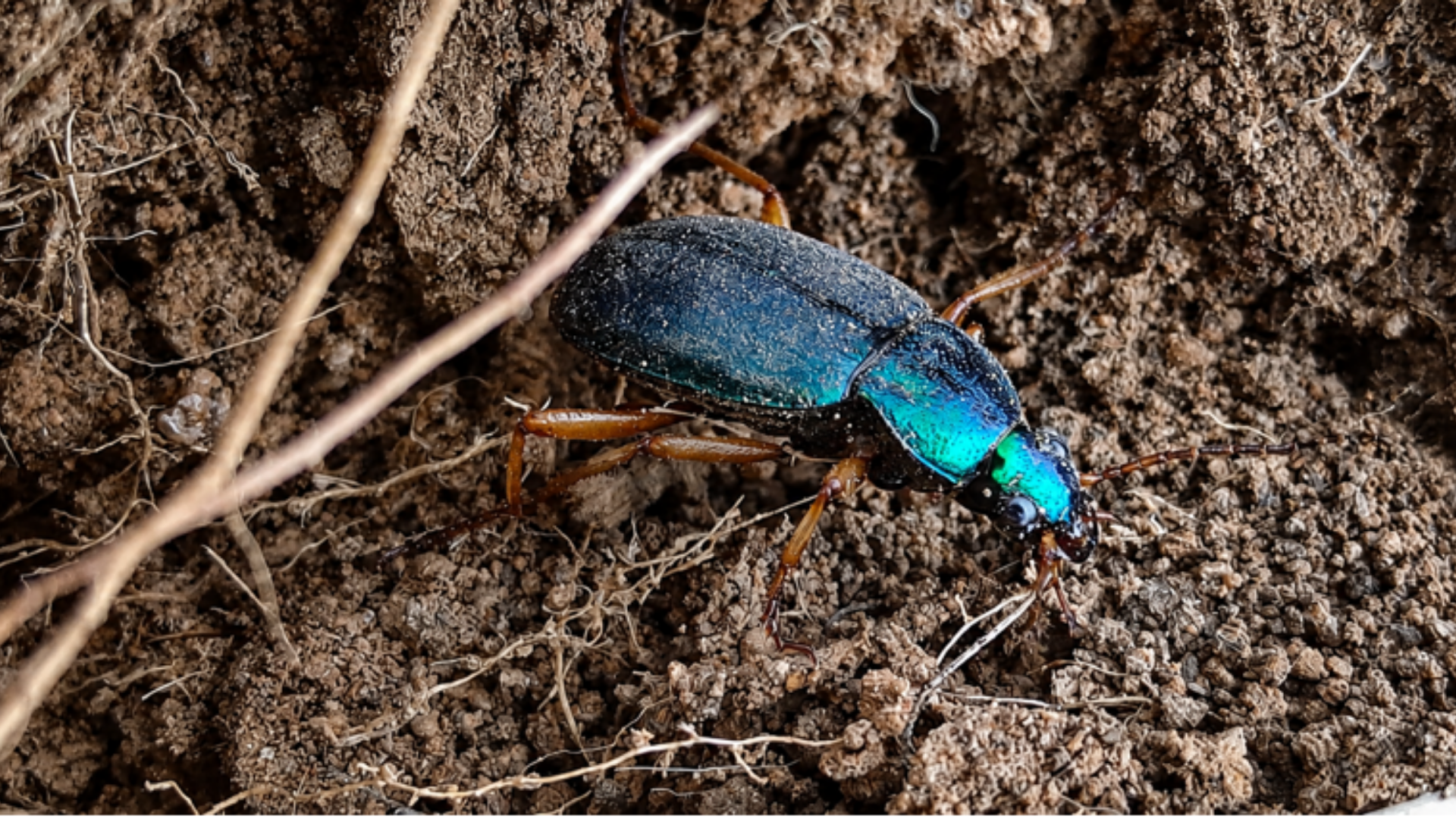
Ejemplar de la familia Carabidae, color metálico, merodeando en el suelo. Son organismos muy activos y ágiles/ Specimen of the Carabidae family, with a metallic coloration, roaming on the ground. They are highly active and agile organisms.
Fotografía/Photography: David Santiago
The indiscriminate use of pesticides continues to be one of the main threats to these natural allies. Although these products provide an immediate solution to pest problems, their frequent and, in many cases, unnecessary application leads to the elimination of beneficial organisms, promotes the development of pest resistance, contaminates soil and water, affects essential pollinators, and compromises human health and ecosystem stability. The agriculture of the future will not depend solely on developing more powerful molecules, but rather on understanding and taking advantage of the ecological processes that nature has refined over millions of years. Protecting and promoting populations of beneficial insects not only represents a strategy for sustainable pest management, but also an investment in the resilience of agricultural systems, biodiversity conservation, and food security.
References:
- Cividanes, Francisco. “Carabid beetles (Coleoptera: Carabidae) and biological control of agricultural pests in Latin America”. Annals of the Entomological Society of America 114, no.10 (2021): 175-191. (PDF) Carabid beetles (Coleoptera: Carabidae) and biological control of agricultural pests in Latin America
- Instituto Nacional de Investigaciones Forestales, Agrícolas y Pecuarias (INIFAP). “Crisopas: enemigos naturales de insectos plaga”. Gobierno de México. Publicado el 11 de noviembre de 2024. Consultado el 06 de julio de 2026. https://www.gob.mx/inifap/articulos/crisopas-enemigos-naturales-de-insectos-plaga
- Lara Luis, Sergio Godínez Cortés, Reyna Ivonne Torres,Eduardo Padron Torres, José Reyes, Felipe González González, Verónica Hernández, Eduardo González Nieto y Hermelindo Hernández. “Coccinélidos (Coleoptera: Coccinellidae) asociados a cítricos del centro-sur de Tamaulipas, México”. Acta zoológica mexicana 38, (2022). https://doi.org/10.21829/azm.2022.3812454
- Nicholls, Clara Inéz y Miguel A. Altier. “ Control Biológico en agroecosistemas mediante el manejo de insectos”. Revista Facultad Nacional de Agronomía Medellín 51, no. 1 (1998): 5-30.
Bio oh the authors:
Juan Manuel Salazar López is a biologist with a Master of Science degree specializing in Plant Biotechnology. He works in the fields of teaching, research, and scientific outreach, with an interest in science education, biotechnology, and the development of innovative strategies for science teaching.
David Santiago is a biologist from the Autonomous University of Aguascalientes. He has worked in research in the field of toxicology, with an interest in biotechnology applied to environmental improvement and regenerative agriculture.


-10.28.24.jpg "Anunciate07-13-a-la(s)-10.28.24")

 13.26.42.png "Captura de Pantalla 2023-02-08 a la(s) 13.26.42")