
The little planters of Punta Buríca
Korayma Rodríguez invites us to discover The little planters of Punta Buríca, a narrative about frugivorous primates, protagonists in the dispersal of native seeds in Punta Buríca, Panama. Invisible but essential, every fruit they consume and disperse contributes to the birth of new plants.
The first time I arrived at Punta Buríca, in Bellavista, Chiriquí, I had to leave the car behind and continue walking until I reached the Mono Feliz lodging, which was located in front of the sea, surrounded by vegetation that extended around the lodging, forming a green and lush landscape that created a sense of tranquility I did not expect to find.
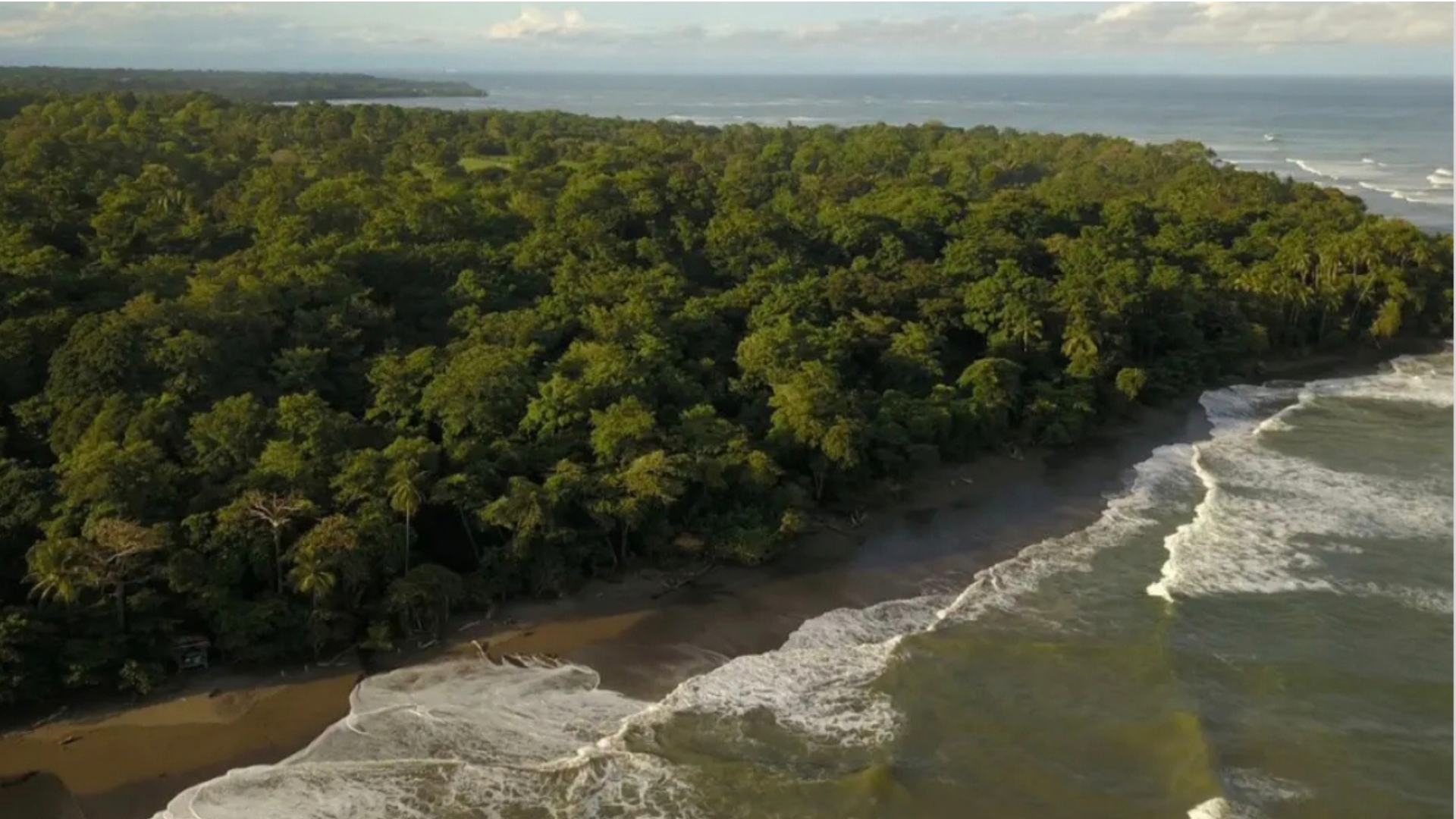
Paisaje de Punta Buríca/ Landscape of Punta Burica
Ilustración/ Illustration: Hostal Mono Felíz
My objective was to study the affiliation between mothers and offspring of squirrel monkeys (Saimiri oerstedii). During the exploration, I was captivated by how small, colorful, and fast they were. The mothers’ protection and affection toward their offspring were evident, as was their search for food. Among the fruits and plants, they consume espavé, jobo, figs, guabas, guayabillo, and guarumo. Each fruit is part of a relationship that connects the animal with the forest. What begins as food can end up giving rise to a new plant. In this way, the movement of a small primate can silently contribute to the regeneration of the forests.
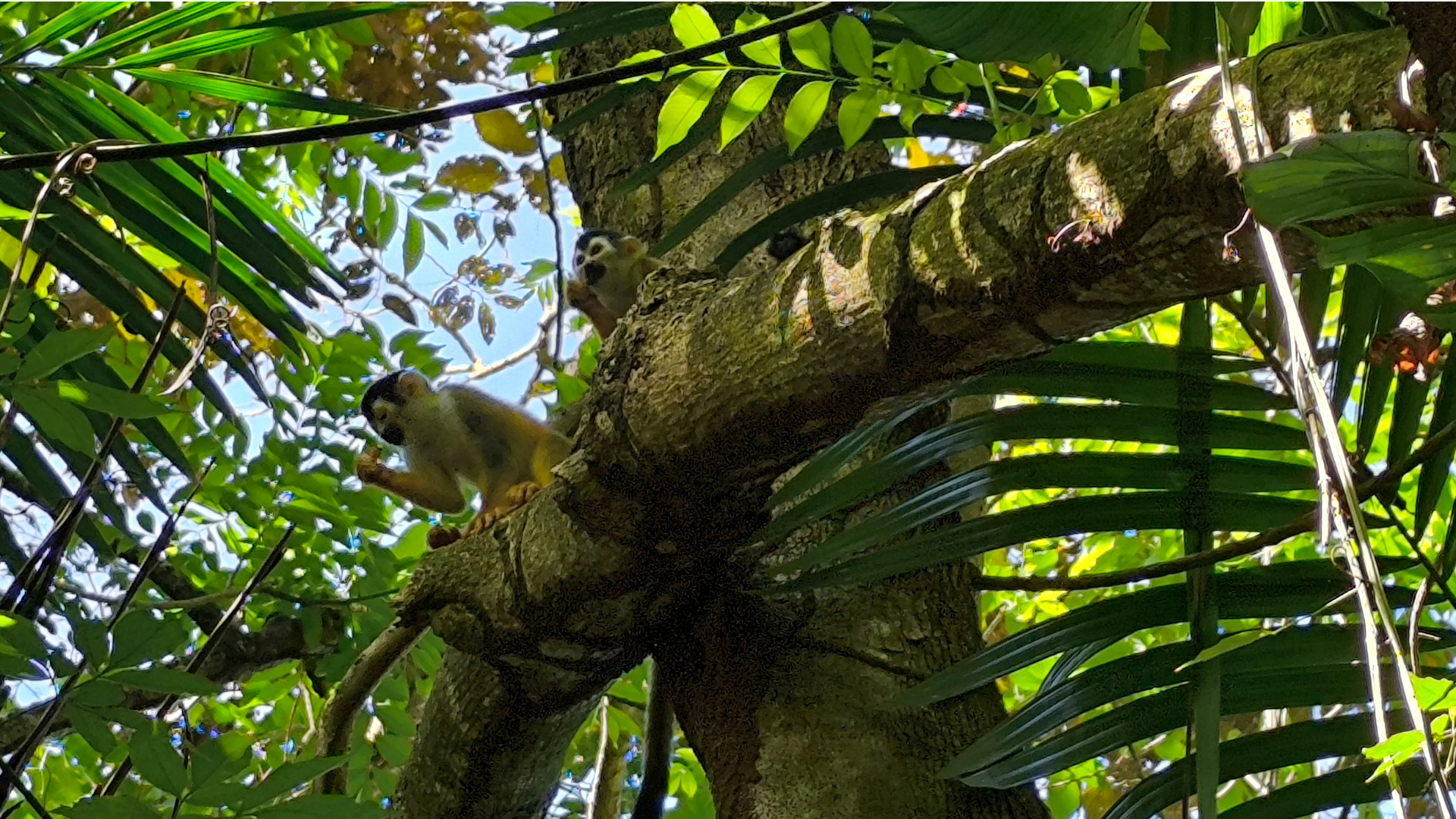
Monos ardillas comiendo/ Squirrel monkeys eating
Ilustración/ Illustration: Korayma Rodríguez
I had the opportunity that from a distance, before I could see them, I could already hear the howler monkeys (Alouatta palliata), restless and defensive. I rarely saw the clever and mischievous white-faced capuchins (Cebus imitator), but working in the field also had its less welcoming side. Encounters with snakes and dogs forced me to move forward cautiously.
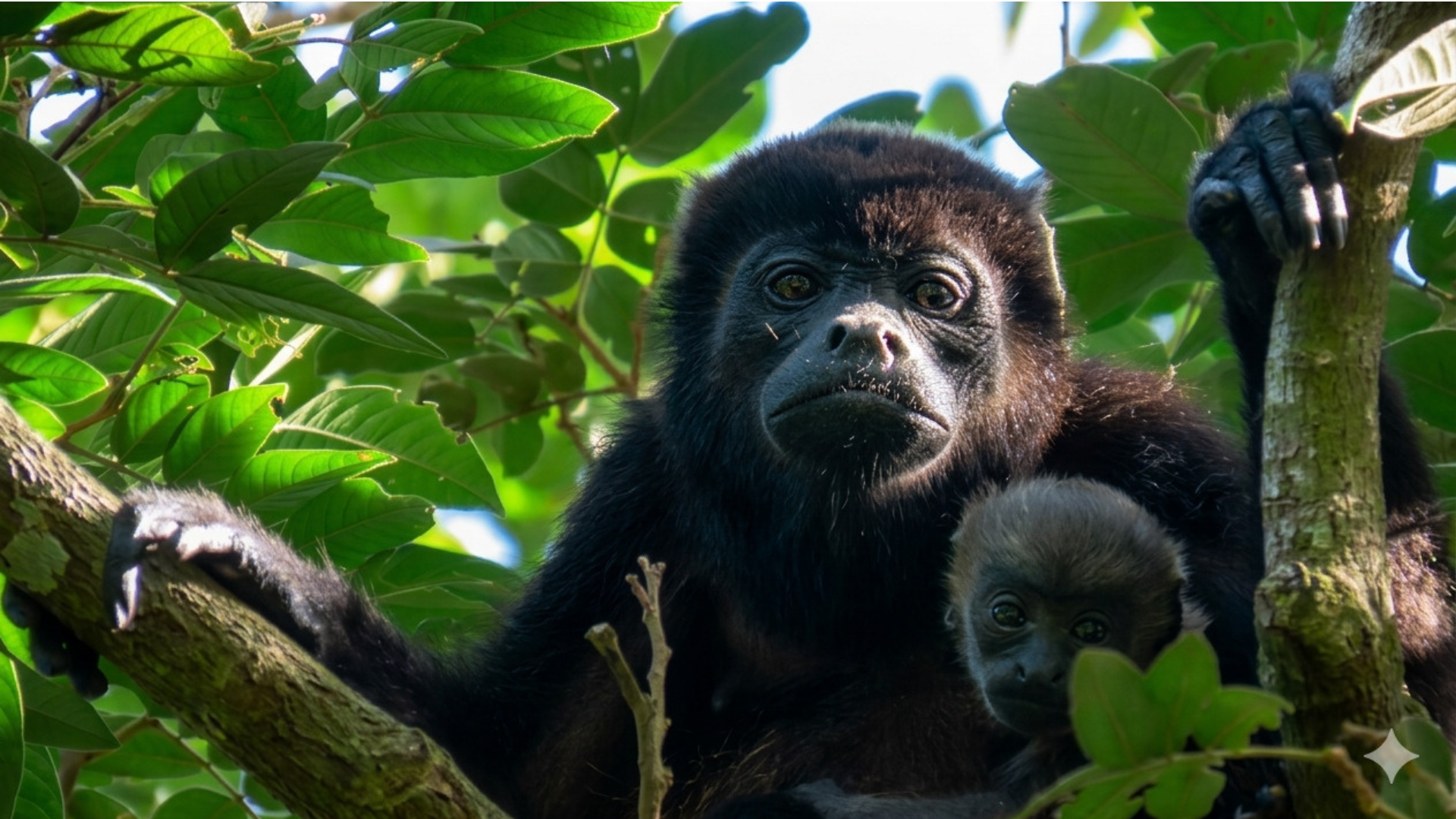
Mona aullador con su cría/ Howler monkey with her young
Ilustración/ Illustration: Proyecto Primates Panamá
As I watched them feed, I began to understand that this daily search for food could have much greater consequences. Frugivorous primates are among the main seed dispersers in tropical forests (Chaves, 2010). When they eat a fruit, they do not always consume everything it contains; many times, the seeds continue their journey inside the animal. As they move through the forest and later deposit the seeds far from the tree of origin, they can carry them to places where some will find the conditions necessary to germinate (Ique & Aquino, 2015).
Primates disperse seeds, connect forest fragments, and support the regeneration of native and endemic species. Perhaps planting was never an exclusively human activity.
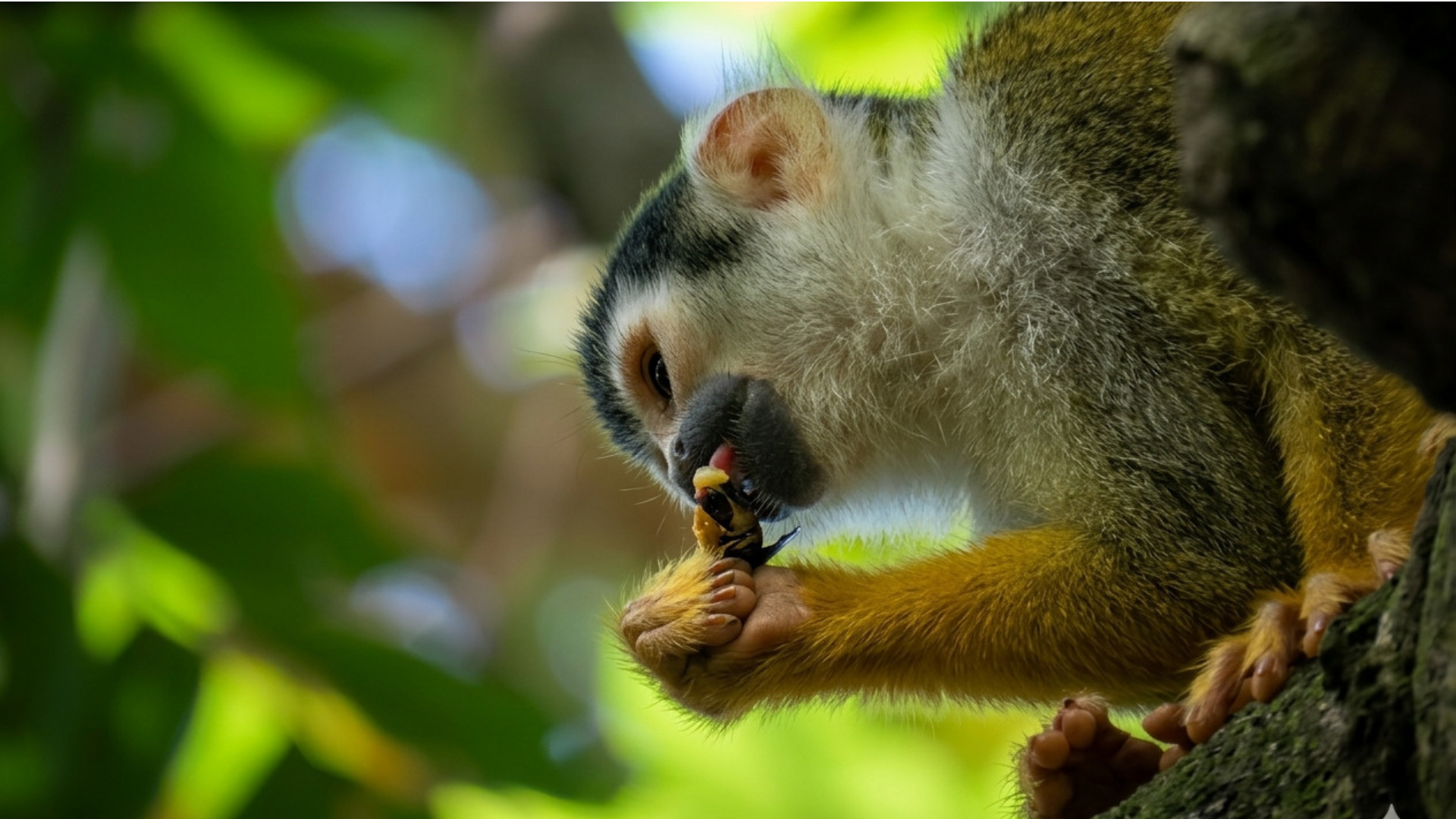
Mona comiendo fruta/ Monkey eating fruit
Ilustración/ Illustration: Proyecto Primates Panamá
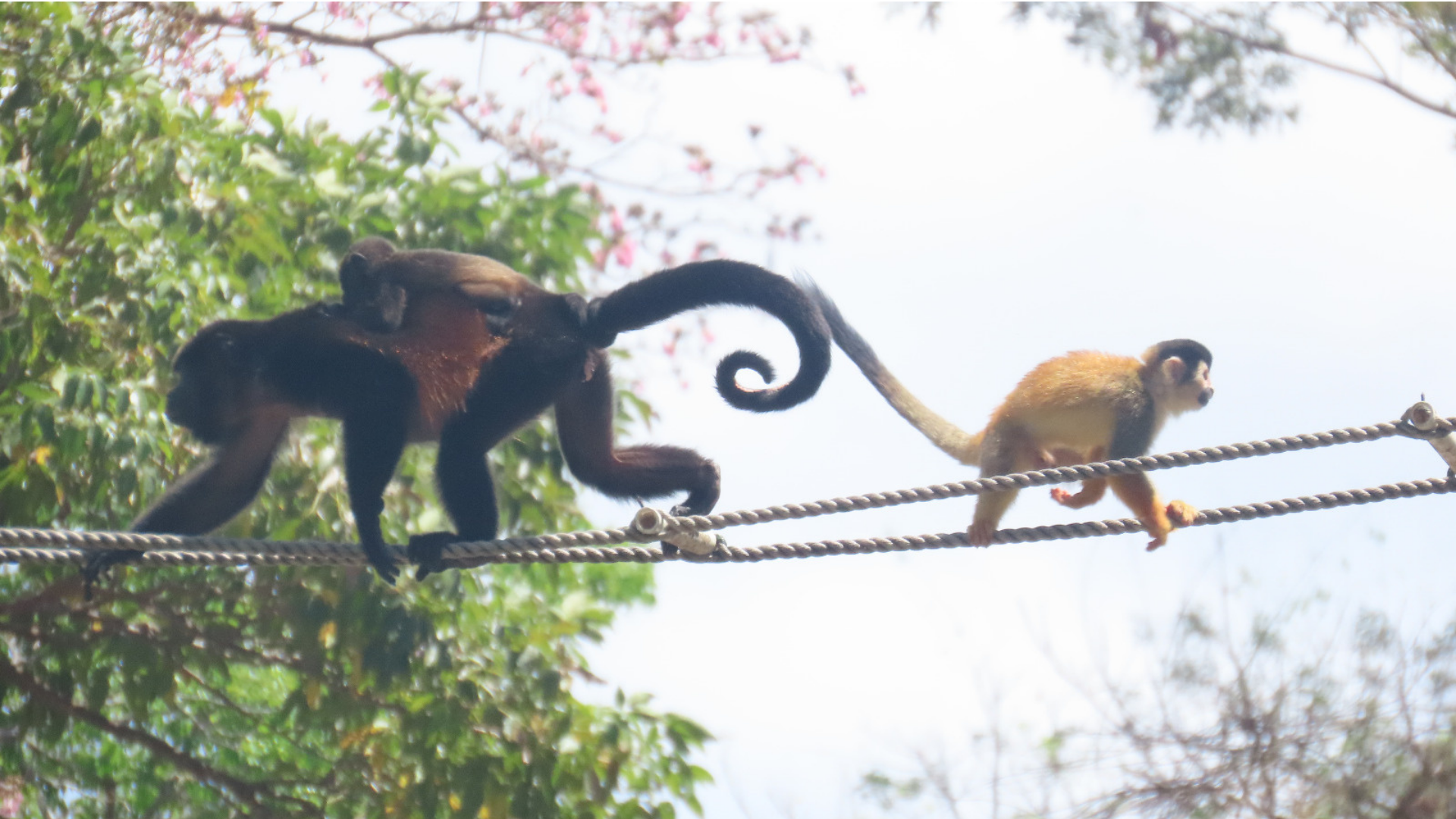
Primates cruzan el puente/ Primates crossing the bridge
Ilustración/ Illustration: Proyecto Primates Panamá
Nevertheless, primates are not the only animals that perform this task: birds, bats, and other mammals also transport seeds and participate in the renewal of vegetation. However, each species plays a particular role within this network. Primates emerge as invisible, yet essential, actors: they disperse seeds, connect forest fragments, and sustain the regeneration of native and endemic species. Perhaps, planting was never an exclusively human activity. And so, a question arises: Do they know that each fruit they disperse may carry with it the beginning of a new tree?
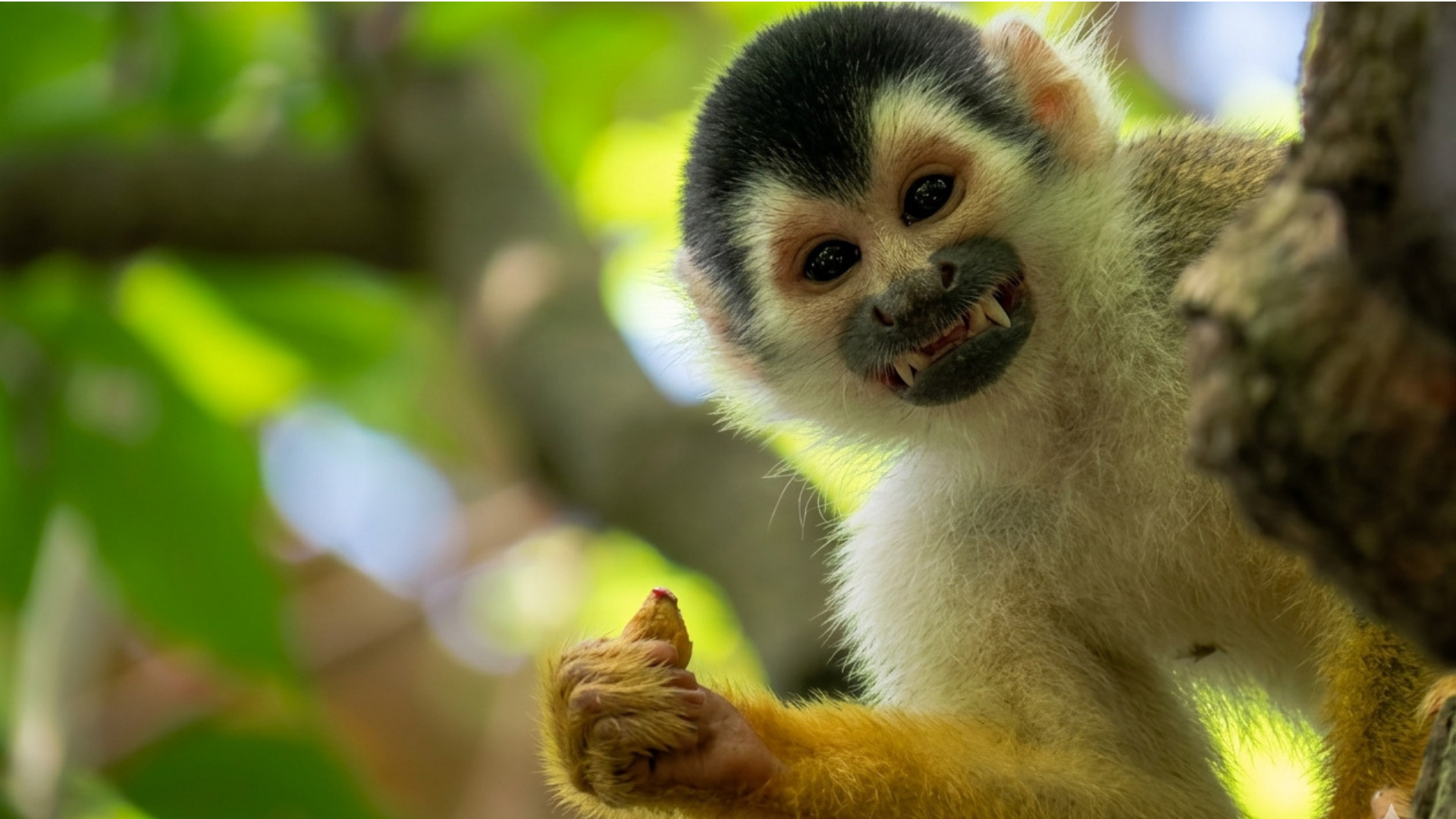
Mona comiendo fruta/ Monkey eating fruit
Ilustración/ Illustration: Proyecto Primates Panamá
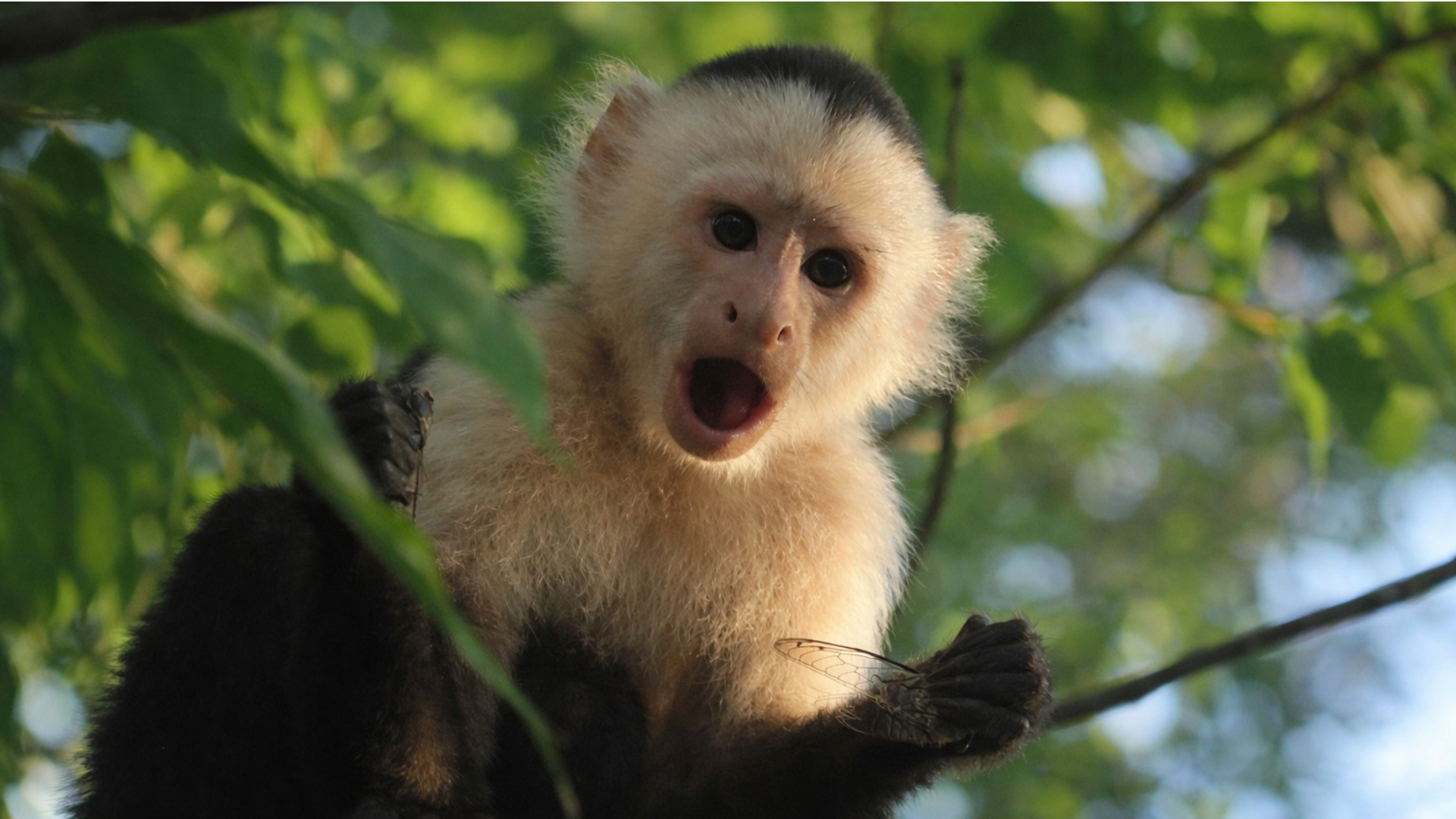
Mono cariblanco comiendo insecto/ White-faced capuchin monkey eating an insect
Ilustración/ Illustration: Proyecto Primates Panamá
References:
Ique, Carlos A., y Rolando Aquino. “Principales especies florísticas utilizadas y dispersión de semillas por Saguinus labiatus E. Geoffroy, 1812 en la isla Muyuy, Loreto, Perú.” Ciencia Amazónica (Iquitos) 5, no. 1 (2015): 81–88.
Chaves Badilla, Óscar Mauricio. Dispersión de semillas por el mono araña (Ateles geoffroyi) en fragmentos y en áreas de un bosque continuo de la selva Lacandona: implicaciones para la conservación. Tesis de doctorado, Universidad Nacional Autónoma de México, 2010.
Bio of the author:
I am Korayma Rodríguez, an anthropologist interested in primate research and conservation, the study of biodiversity, and the relationship between communities and ecosystems.


-10.28.24.jpg "Anunciate07-13-a-la(s)-10.28.24")

 13.26.42.png "Captura de Pantalla 2023-02-08 a la(s) 13.26.42")