

The rose: a symbol that blossoms between Mexican history, emotion, and tradition
Tabatha Urías presents The Rose: A Symbol That Blossoms Between Mexican History, Emotion, and Tradition.
In my opinion, to speak of roses is to speak of a flower that has accompanied humanity since ancient times, leaving its mark on gardens, works of art, and collective memory. Their presence is not recent: fossils reveal that roses were already blooming on Earth more than 35 million years ago, long before humans began cultivating gardens or discovering the symbolic power of flowers.
Throughout history, the rose has been admired not only for its beauty, but also for its ability to transform and adapt. Today, there are more than 30,000 varieties, each with its own distinctive characteristics in shape, fragrance, and color. This diversity has made the rose one of the most versatile flowers in the floral world and, at the same time, one of the most deeply imbued with meaning.
The rose is a flower admired for its beauty, versatility, adaptability, and meaning. Currently, there are more than 30,000 varieties.
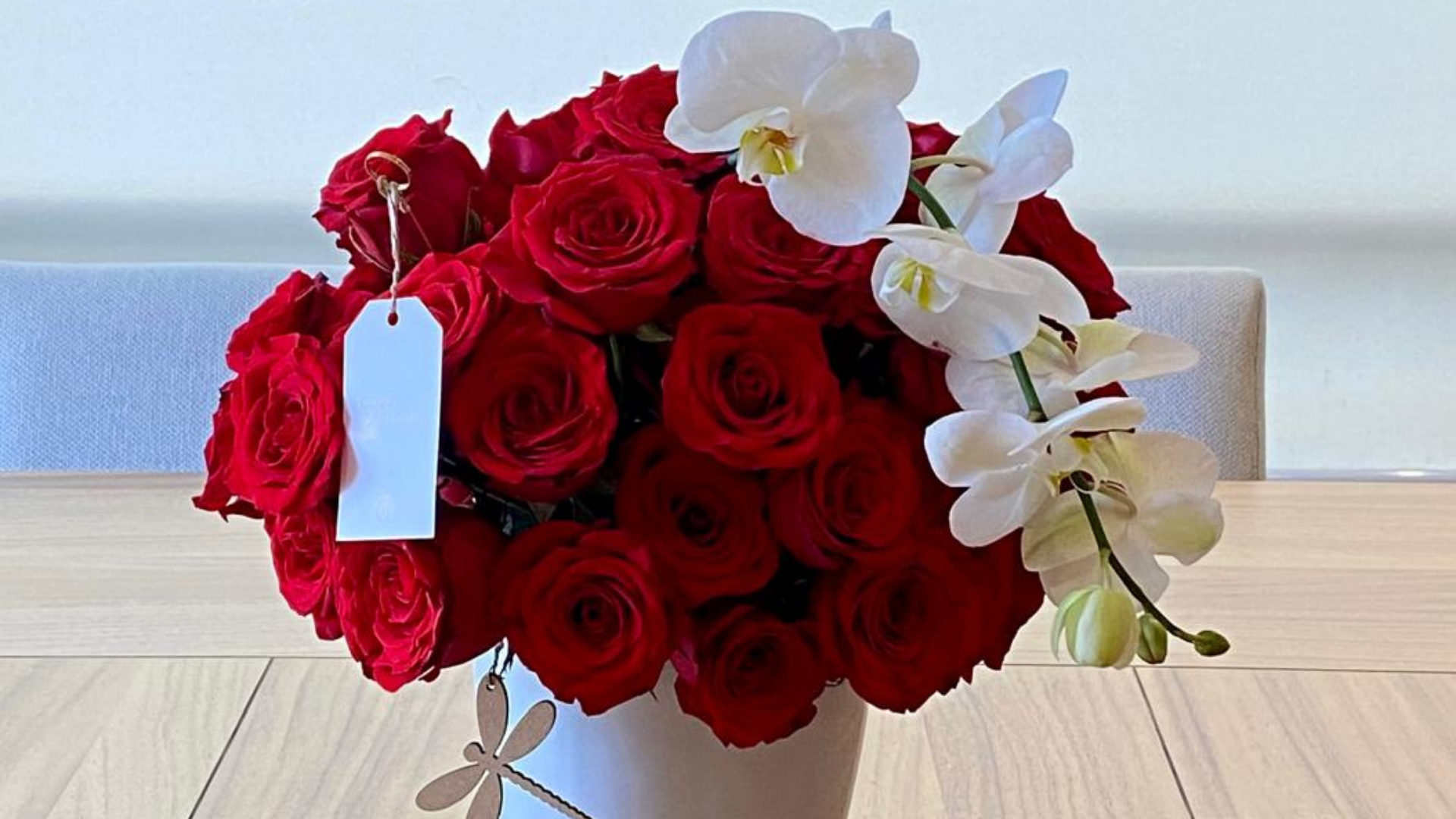
Rosas y orquídeas, contraste único/ Roses and orchids, a unique contrast
Fotografía/Photography: Tabatha Urías
Since ancient times, the colors of the rose have been interpreted as a language of emotion. Red roses evoke deep love; white roses suggest purity and new beginnings; pink roses express gratitude and admiration; while yellow roses are associated with joy and friendship. This symbolism has transcended generations, making the rose a flower that communicates on its own, without the need for words.
In Mexico, the rose holds a significant place in the floral industry. Our country ranks among the leading producers of roses in Latin America, with regions that have developed a strong and highly specialized floriculture tradition. States such as the State of Mexico, particularly municipalities like Villa Guerrero and Tenancingo, have become national leaders in the production of this flower, supplying markets and celebrations throughout the country.
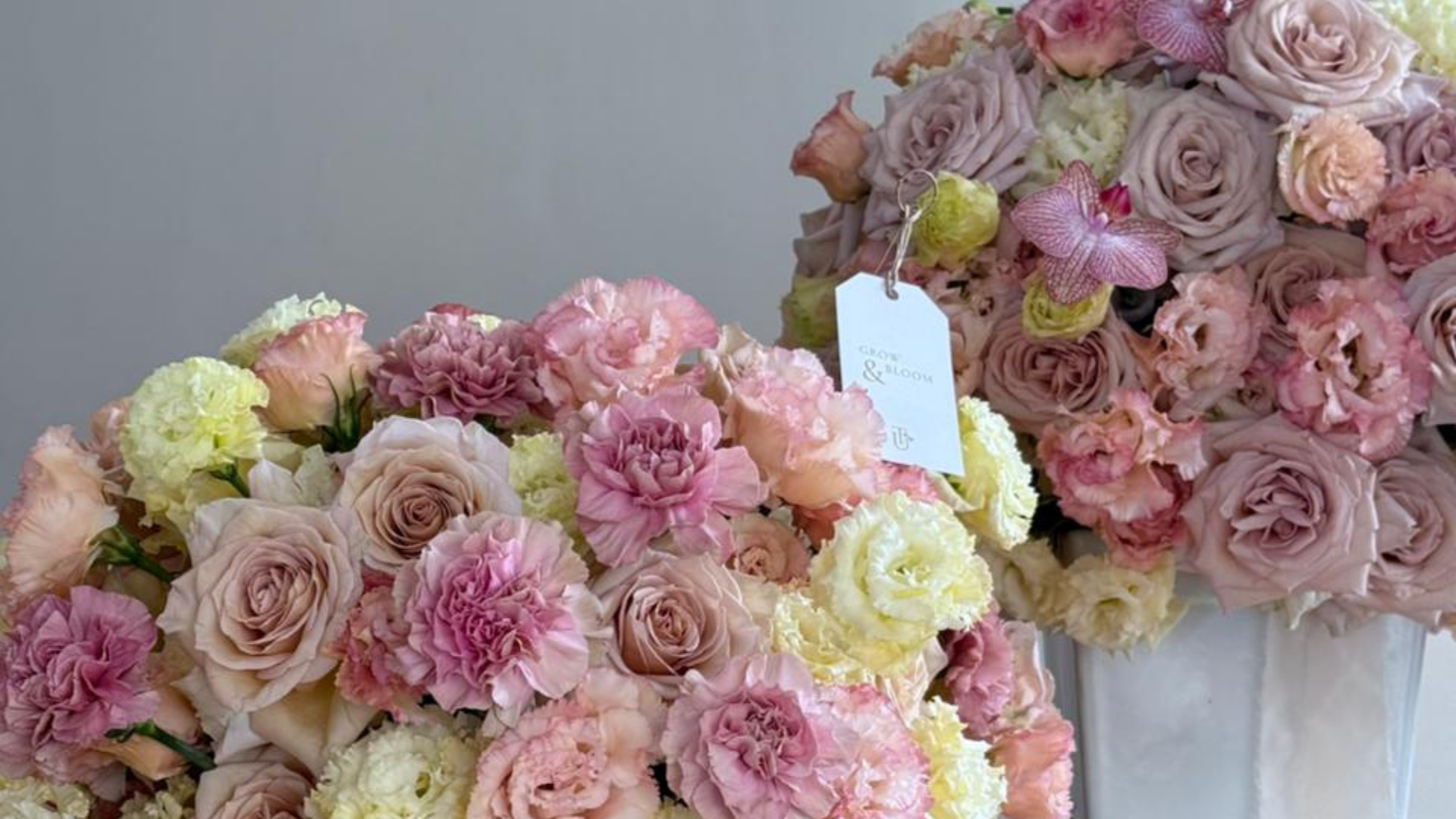
Texturas mixtas, belleza y armonía/ Mixed textures, beauty and harmony
Fotografía/Photography: Tabatha Urías
In the world of roses, there is also a story that speaks of authorship and territory. New plant varieties are protected by Plant Breeders’ Rights, a legal framework that recognizes those who develop a rose —whether researchers, nurseries, or institutions— as its formal creators. However, beyond official records, many roses acquire an identity deeply connected to the place where they are cultivated and perfected. Municipalities such as Villa Guerrero and Tenancingo have built, over generations, such a strong floricultural tradition that certain varieties are recognized as part of their collective history. It is not a property recorded in municipal documents, but rather a symbolic belonging that emerges from the land, the climate, and the hands that cultivate them day after day.
In Mexico, the preference for roses is remarkable. It is estimated that they are among the most requested flowers in floral arrangements, especially during significant occasions such as family celebrations, anniversaries, or Mother’s Day, when thousands of homes are filled with their color and fragrance. This everyday closeness has established the rose as a flower deeply rooted in our emotional culture.
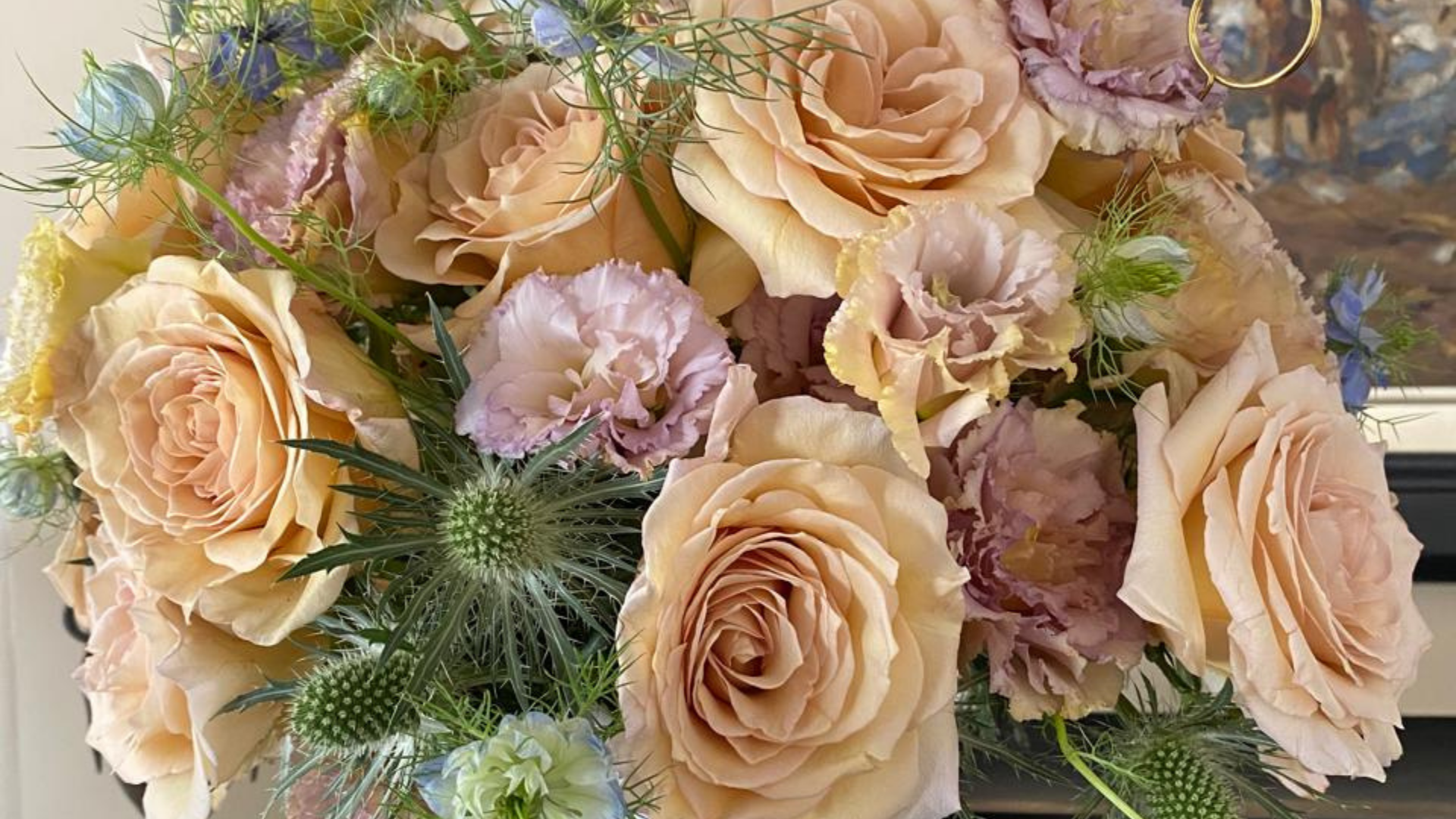
Texturas mixtas, belleza y armonía/ Mixed textures, beauty and harmony
Fotografía/Photography: Tabatha Urías
Beyond its visual beauty, the rose is deeply sensory. Its aromas can evoke ripe fruits, mild spices, or honey; its petals have been used in traditional gastronomy to prepare infusions, sweets, and syrups. Even its structure reveals some curiosities: what we commonly call thorns are, in fact, prickles, and many modern varieties have been cultivated to have fewer, facilitating their handling in floral arrangements.
Some of the most appreciated varieties, such as the Damask rose, have been cultivated for centuries in specialized regions, where every spring thousands of petals are harvested to create essential oils of extraordinary value.
In floral art, understanding the history and essence of each flower transforms the way one creates it. Each one holds a meaning, an intention, and a particular energy that is revealed when it is integrated into a project.
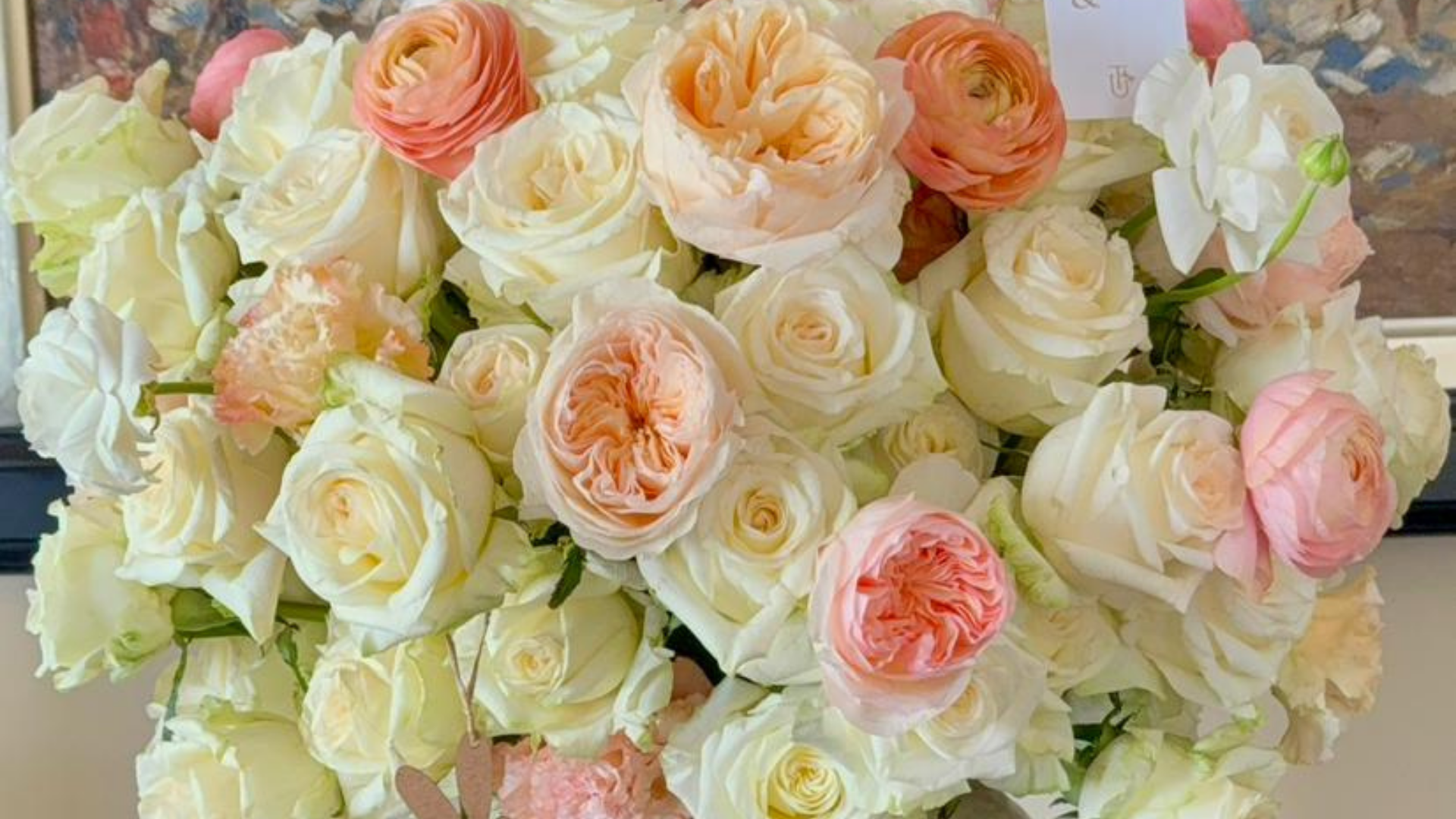
Romanticismo y serenidad floral/ Romance and floral serenity
Fotografía/Photography: Tabatha Urías
Designing with roses is recognizing that each one possesses its own character. Some stand out for their chromatic intensity; others, for the subtlety of their forms or the depth of their fragrance. The variety is so extensive that it allows for the creation of compositions ranging from the classic to the contemporary, always with the possibility of conveying a different emotion.
For me, working with roses is, in essence, listening to what nature proposes and translating it into a visual language. It is observing how the petals slowly open, how colors dialogue with one another, and how the final composition can transform a space and accompany a meaningful moment.
Perhaps that is why, after millions of years of history, they continue to occupy a privileged place in everyday life, as, in addition to adorning spaces and celebrations, they build memories, accompany emotions, and become silent witnesses of the moments we wish to preserve.
From my perspective, each rose tells a story. And when that story is interpreted with sensitivity and knowledge, it transforms into an experience capable of moving, remaining, and blossoming in memory.
Bio of author:
Tabatha Urías, floral designer and communications specialist, creates compositions that bring together beauty, detail, and meaning. Her international training supports projects in corporate, cultural, and social settings.


-10.28.24.jpg "Anunciate07-13-a-la(s)-10.28.24")

 13.26.42.png "Captura de Pantalla 2023-02-08 a la(s) 13.26.42")


