
Sowing knowledge: how plants are selected for the landscape of the future
Xeros Semillas presents Sowing knowledge: how plants are selected for the landscape of the future, a research process focused on germination methods and the formation of plant communities. Through work in the laboratory and an experimental garden, more than 150 species have successfully germinated and developed.
Jardín experimental en verano/Experimental garden in summer
Fotografía/ Photography: Marina Fraguío
A seed may seem still, but to us, it never truly is. It contains a possibility we do not yet know and a question that we can only answer by planting. At Xeros Semillas, from Lulunta, Mendoza, Argentina, we research how to awaken that possibility.
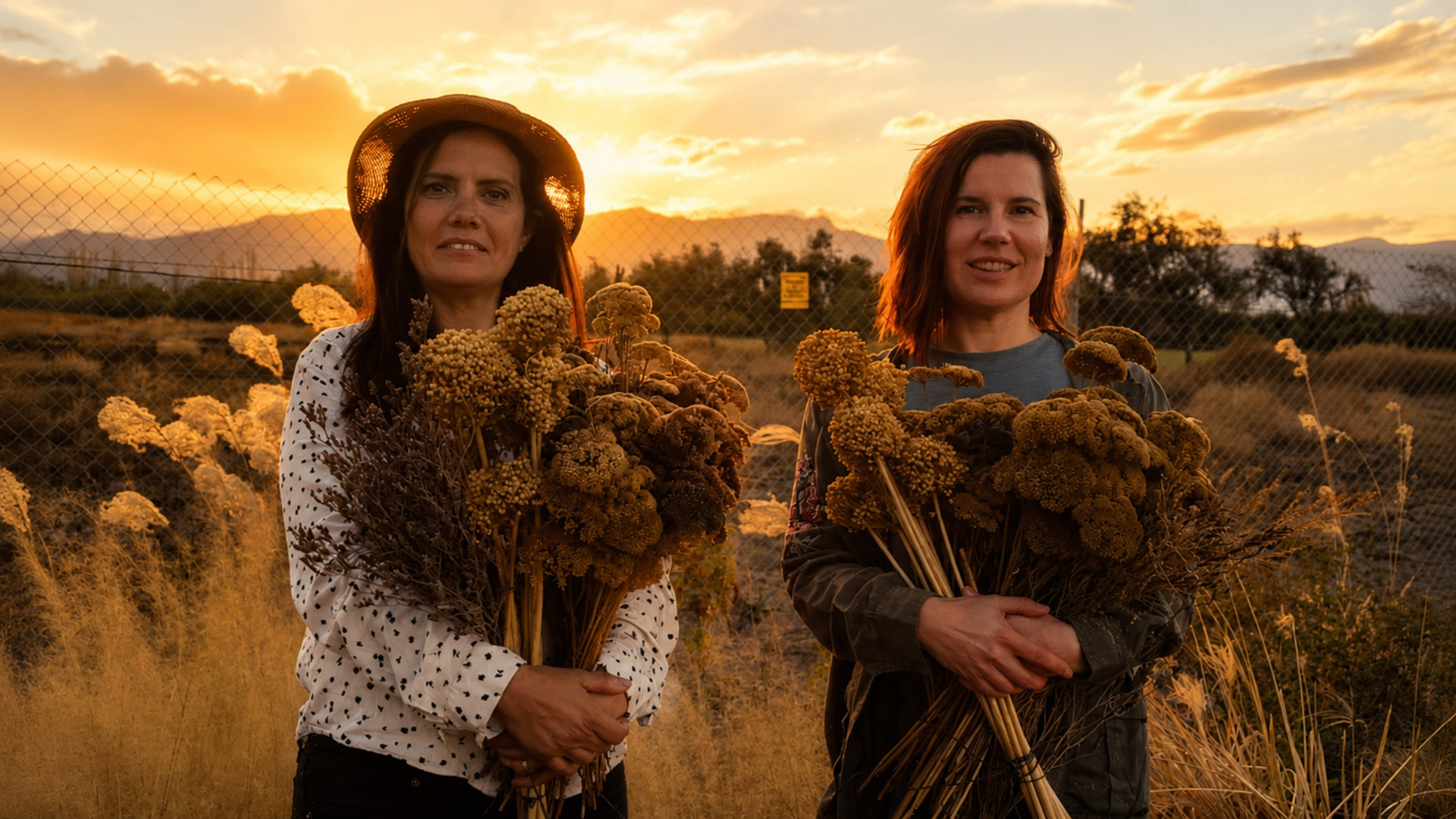
Recolección en jardín experimental/ Collection in experimental garden
Fotografía/ Photography: Darío Burgos
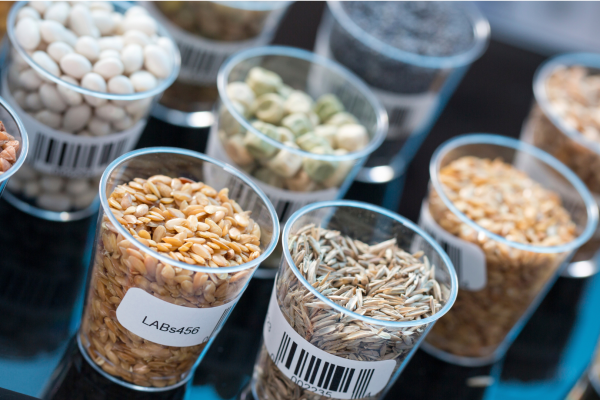
Many species require specific conditions or treatments to begin germinating. We test different methods until we find the conditions that allow for successful germination. We then evaluate germination capacity in the laboratory and only continue with batches that exceed 60%. Once we achieve this result, we document and share our knowledge on how to germinate them.
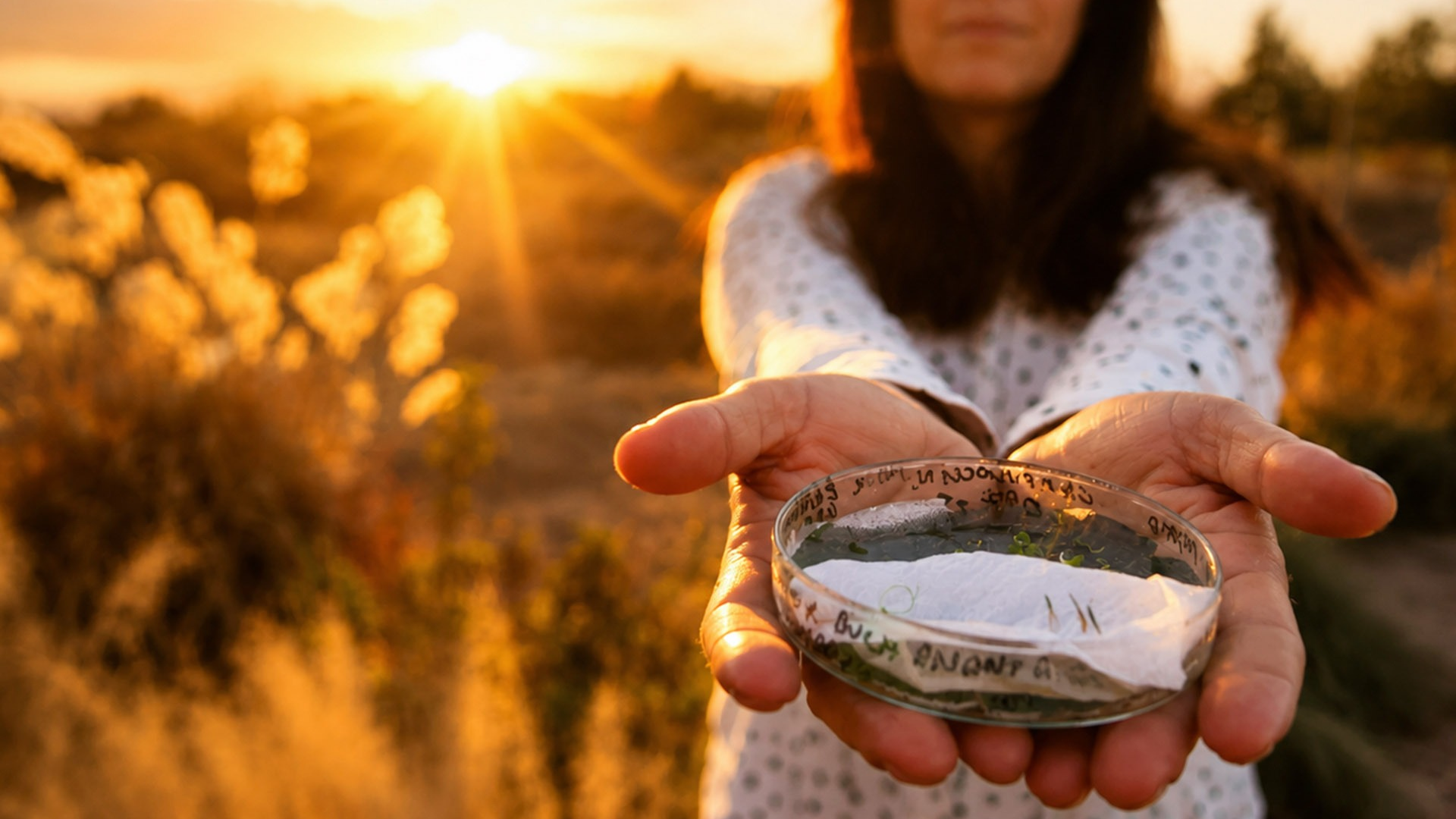
Ensayo de germinación/ Germination test
Fotografía/ Photography: Marina Fraguío
But the seed still has much to say. When it finally awakens, another question begins: what will happen when it leaves the laboratory and enters our landscape?
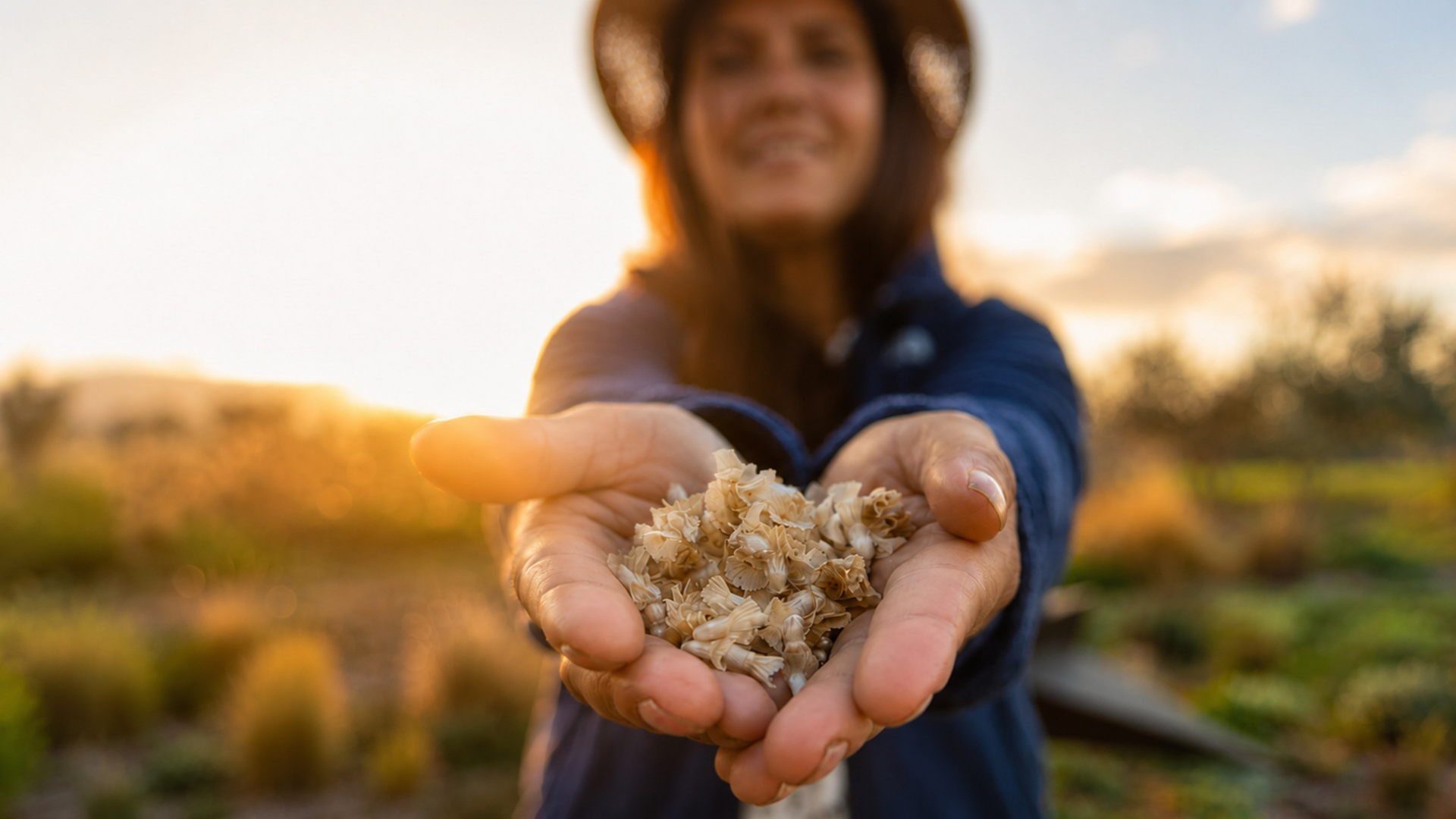
Semillas recolectadas de Lomelosia cretica/ Seeds collected from Lomelosia cretica
Fotografía/ Photography: Marina Fraguío
Our experimental garden faces the mountains, in a desert territory where rainfall barely reaches 200 mm a year. There, across 1,500 m², we grow and observe more than 500 species. Summer temperatures can reach 40 °C, winter drops to -7 °C, and the Zonda wind sweeps through the garden. In this landscape, a plant has to prove what it can do with very little water.
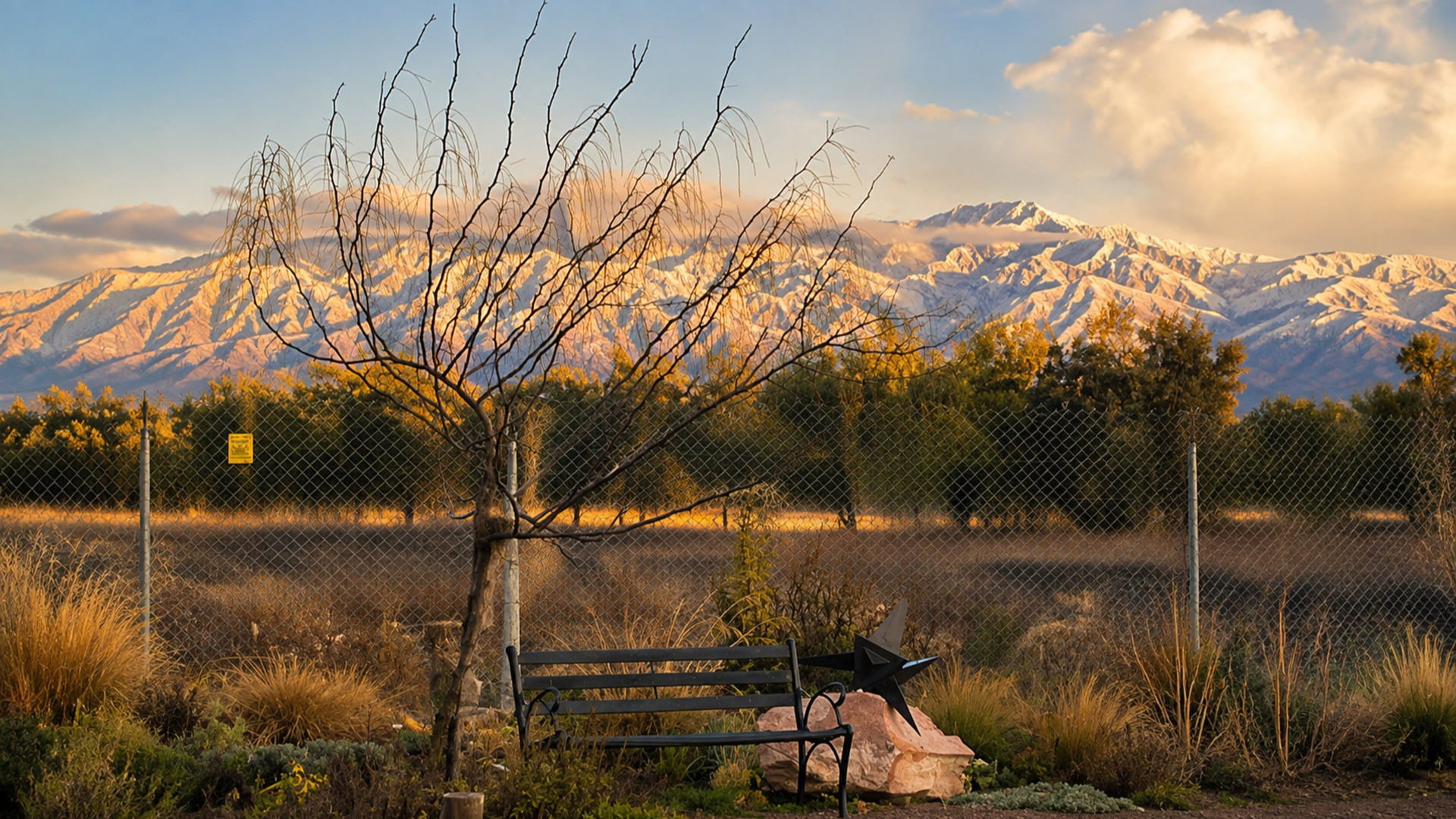
Paisaje invernal del jardín experimental/ Winter landscape of the experimental garden
Fotografía/ Photography: Marina Fraguío
Throughout this process, we have tested many more species than those we share today. Some do not make it through and are left out. Others surprise us and force us to look again. Native species, in particular, have taught us that being hardy in their natural environment does not necessarily mean they are easy to germinate, grow, or propagate.
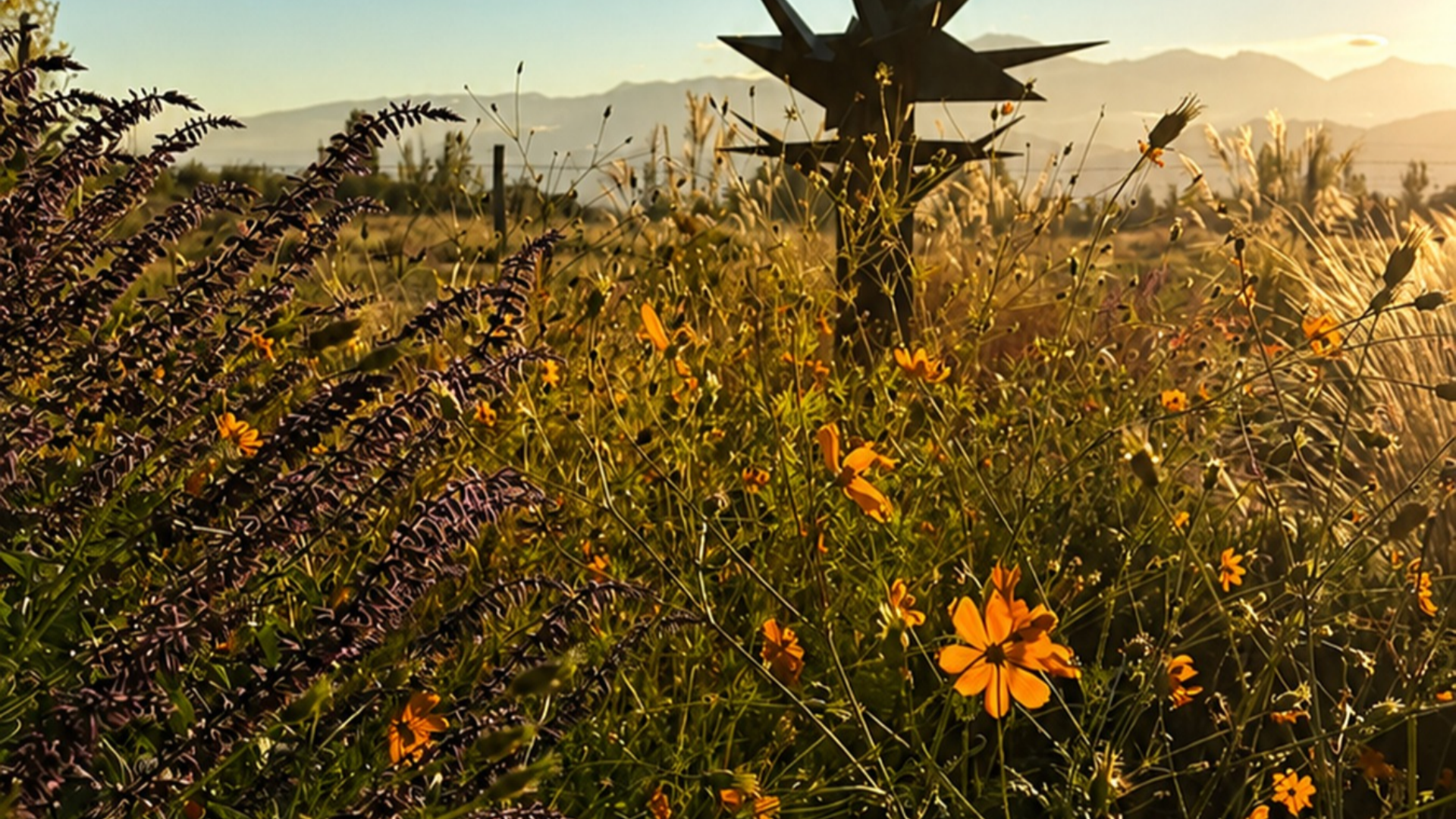
Jardín experimental en verano/ Experimental garden in summer
Fotografía/ Photography: Marina Fraguío
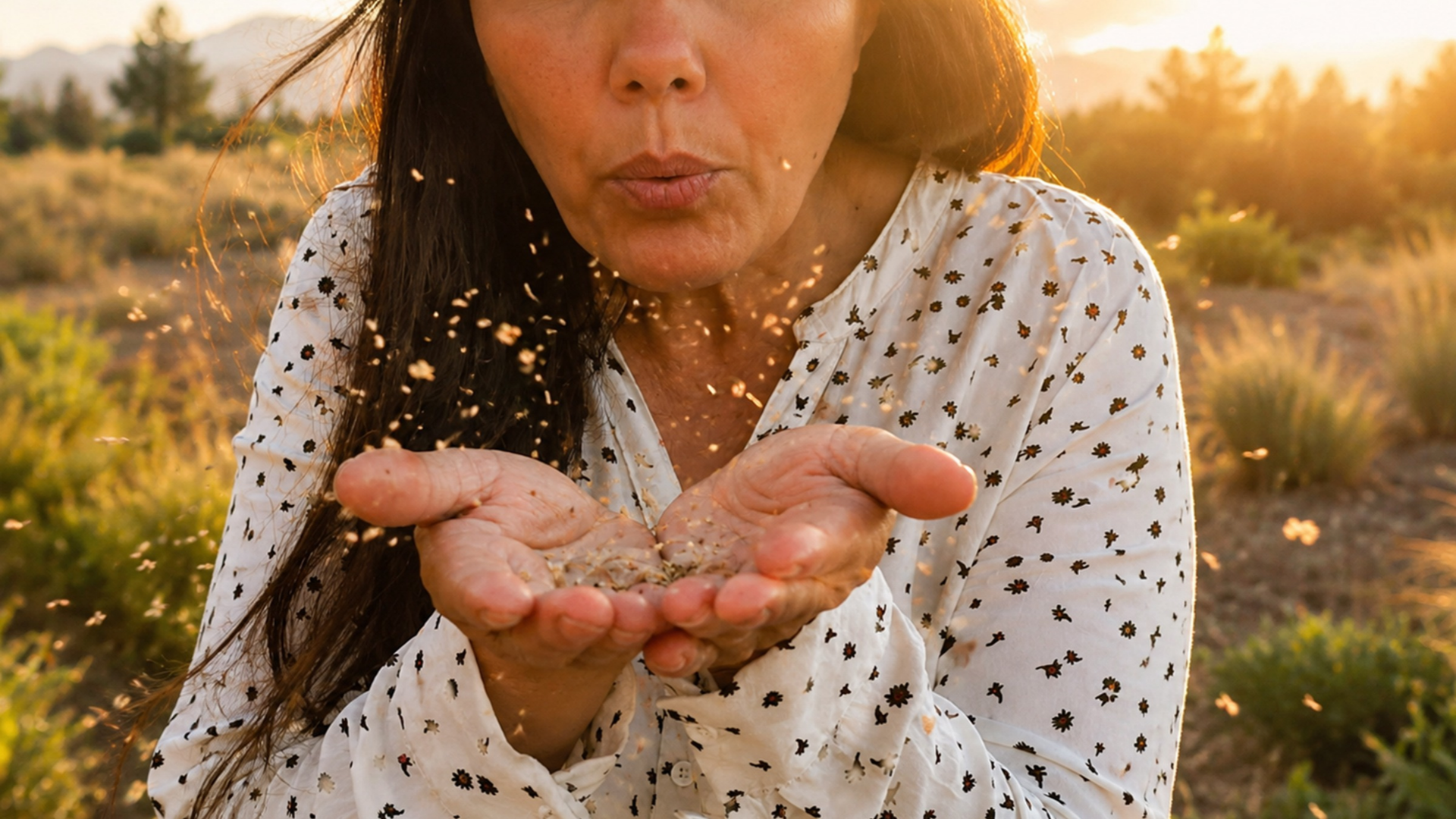
Limpieza manual de semillas/ Manual seed cleaning
Fotografía/ Photography: Marina Fraguío
As we observe the plants, we also discover the relationships they build. Native bees, butterflies, insects, and birds visit the flowers; some species offer nectar, while others serve as hosts. Getting to know them allows us to think beyond an isolated plant and begin to imagine plant communities: mixtures of seeds capable of coexisting, taking turns in bloom, and offering different resources to biodiversity.
Today, more than 150 species are part of the seeds we have managed to share after going through this process. Behind each one is trials, observations, discoveries, and questions that remain open.
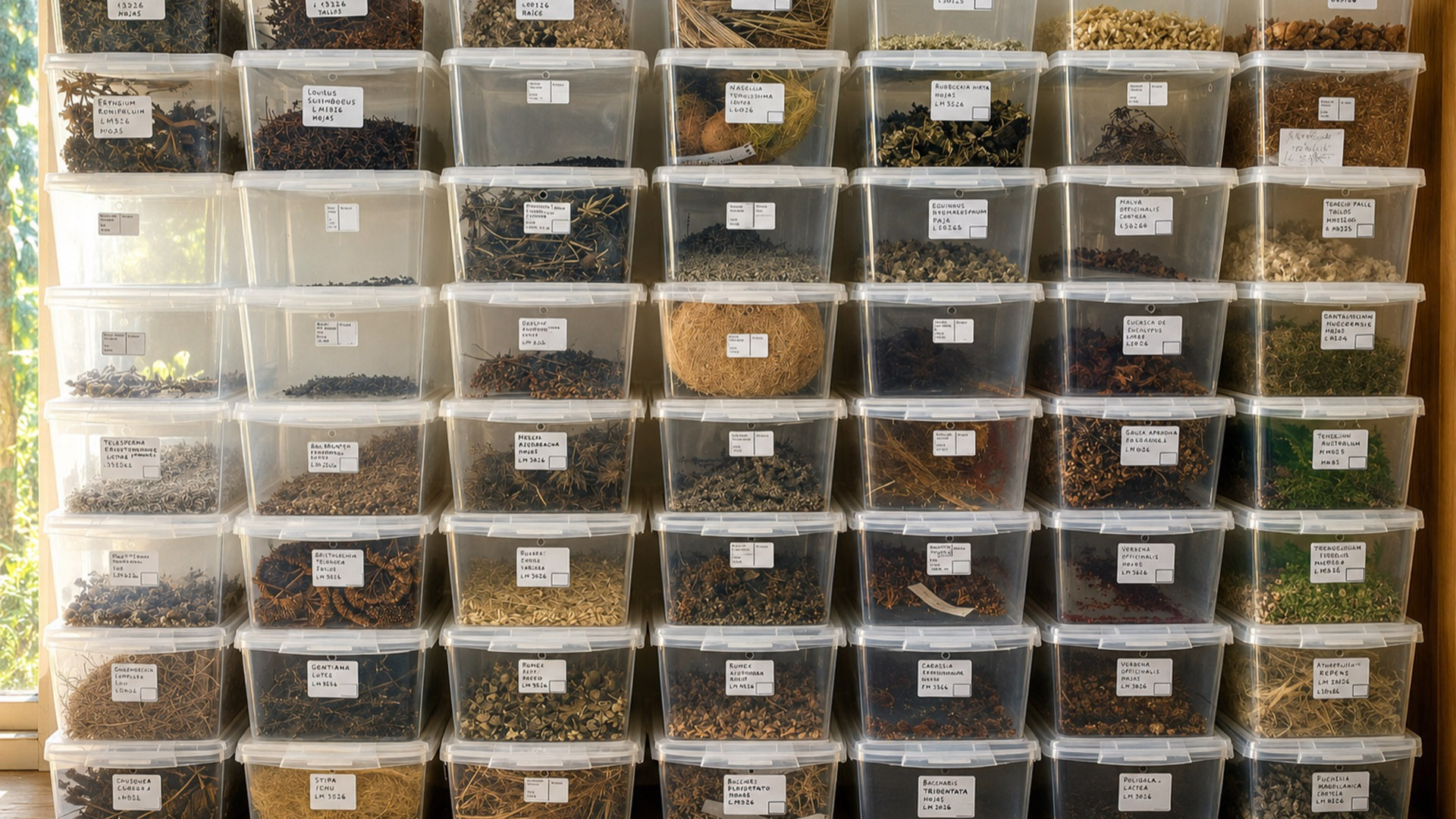
Semillas cosechadas previo a limpieza/ Seeds harvested prior to cleaning
Fotografía/ Photography: Marina Fraguío
Because the process does not end when a seed germinates, nor when a plant blooms. When it produces seeds again, the cycle begins anew.
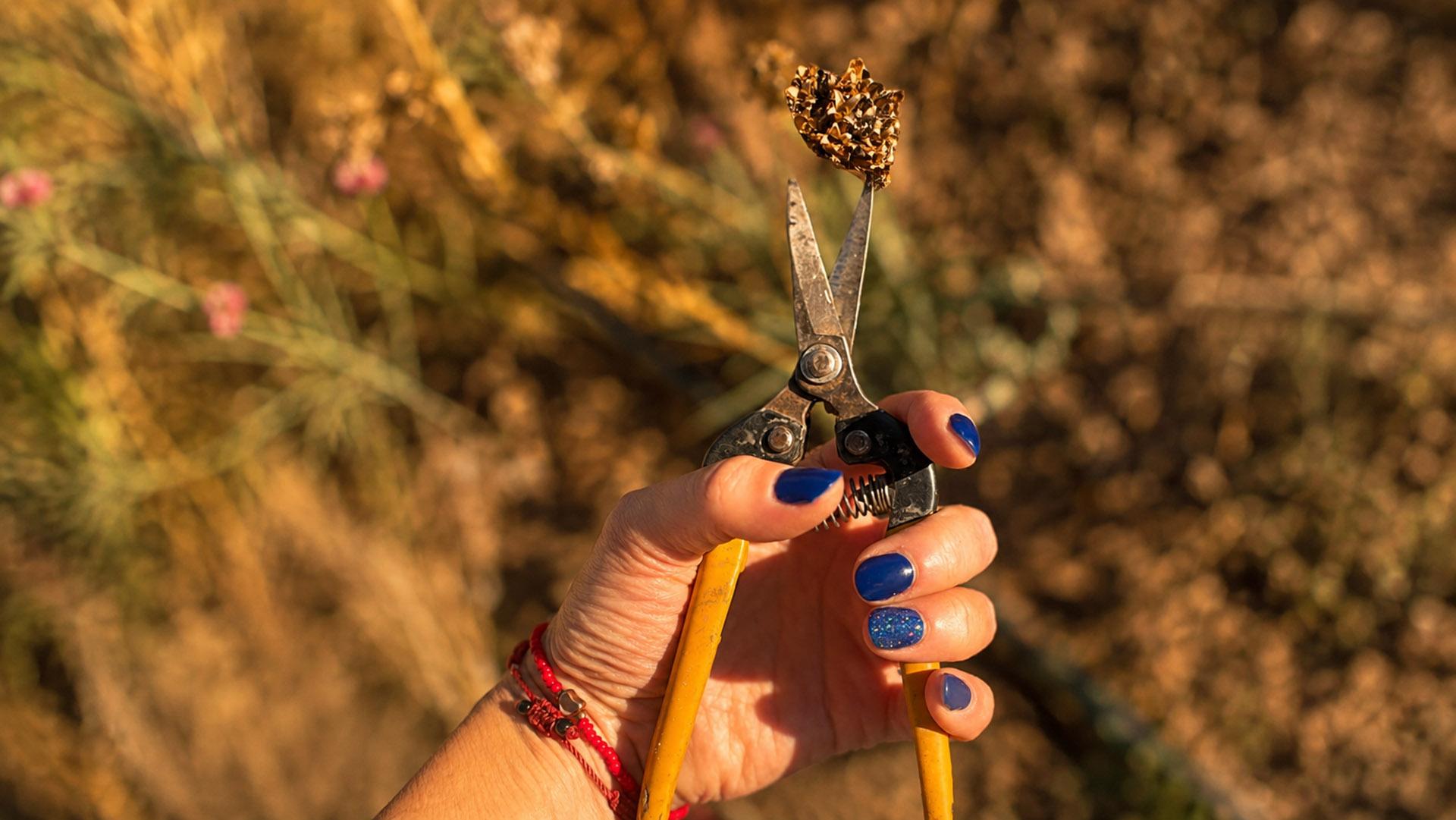
Cosecha semillas de Dianthus carthusianorum/ Harvesting seeds of Dianthus carthusianorum
Fotografía/ Photography: Marina Fraguío
And perhaps that is what interests us most about planting: discovering, time and time again, what can grow and what kind of landscape can emerge from it.
Studio profile:
Marina Fraguío, a landscape architect, and Sonia Martínez, an agronomist, run Xeros Semillas in Mendoza, Argentina, where they research seed germination, adaptation, and production for resilient landscapes.
Instagram: @xerossemillas
Web: www.xeros.ar


 13.26.42.png "Captura de Pantalla 2023-02-08 a la(s) 13.26.42")