
7 Keys to Reading a Sand Landscape
In “7 Keys to reading a sand landscape,” the Landuum Team proposes a visual guide for observing sand before intervening in a territory. Through its origin, texture, movement, moisture, vegetation, and fragile zones.
Before intervening in a sandy landscape, it is necessary to observe how sand behaves: where it comes from, how it moves, what it retains, what it reveals, and what it needs to remain in balance.
Step 1. Observe its origin
Not all sand is the same. Its color, size, and composition can reveal whether it comes from rocks, shells, coral, minerals, or erosion processes. Before designing, observe its relationship with the territory: is it coastal, desert, volcanic, fluvial, or urban sand?
Step 2. Recognize its texture
Texture defines how sand compacts, how it drains water, and how it moves with the wind. Fine sand can shift easily, while coarser sand tends to be more stable and allows greater filtration.
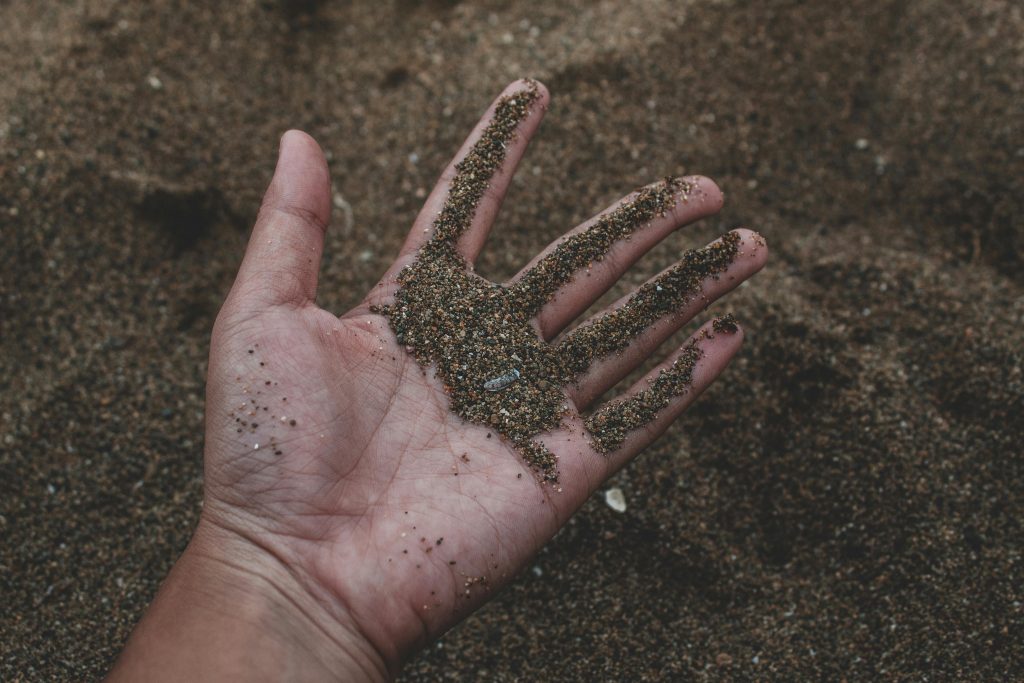
Reconociendo textura de la arena /Below:Recognizing the sand texture
Fotografía/Photography: Pexels
Step 3. Identify movement
Sand is a material in transit. Wind, water, slopes, and obstacles constantly modify its form. Before placing paths, furniture, or vegetation, identify where the sand moves and where it accumulates.
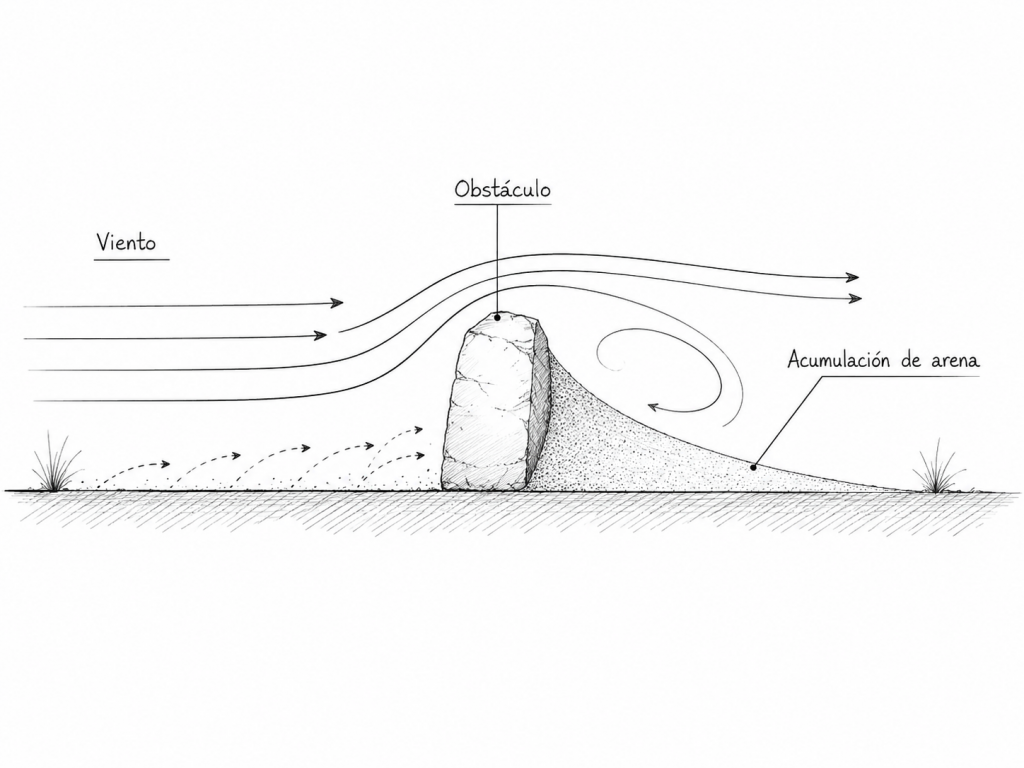
Identificando el movimiento / Identifying movement
Fotografía/Photography: Equipo Landuum
Step 4. Read moisture
Dry sand moves easily; wet sand compacts and holds its shape more firmly. In coastal landscapes or areas with seasonal rainfall, moisture can completely change the behavior of the ground.
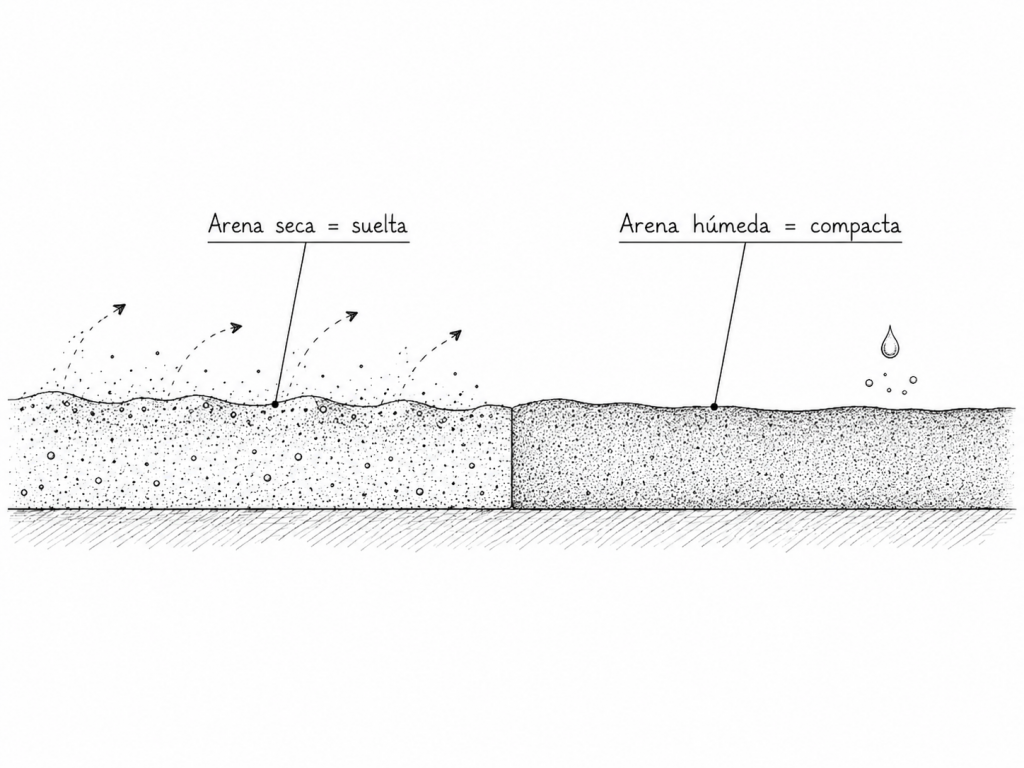
Leyendo la humedad / Reading moisture
Fotografía/Photography: Equipo Landuum
Step 5. Observe existing vegetation
Plants are key to stabilizing sandy landscapes. Their roots help hold the sand, reduce erosion, and create microhabitats. Instead of removing native vegetation, design can begin from it.
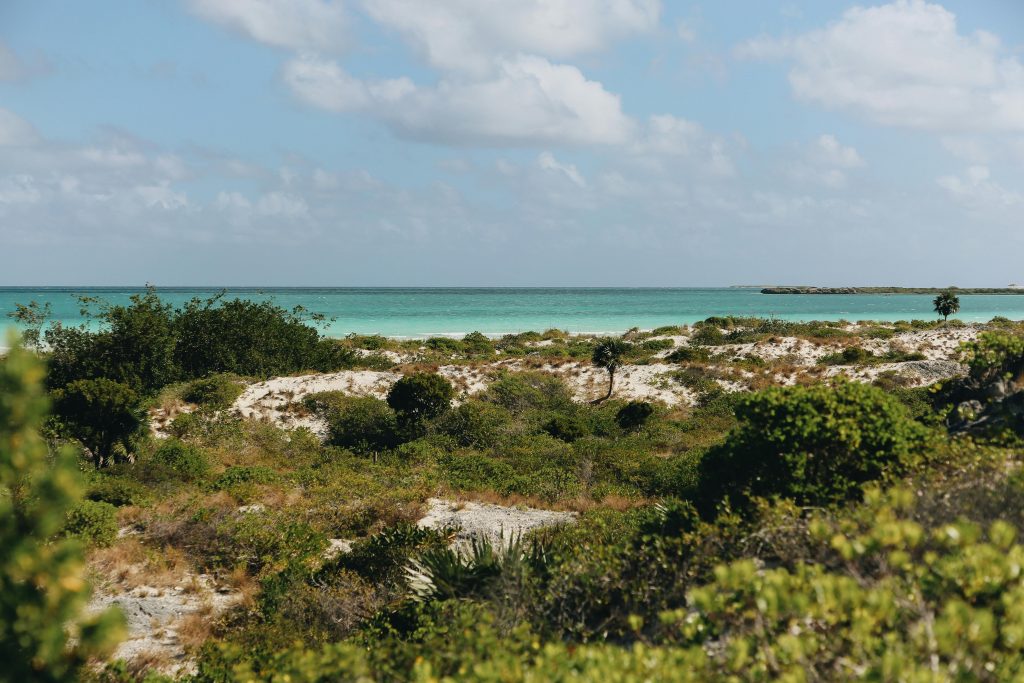
Paisaje de arena / Sandscape
Fotografía/Photography: Pexels
Step 6. Detect fragile zones
A sandscape may seem empty, but it is often a delicate system. Dunes, coastal edges, and transition zones can be vulnerable to foot traffic, urbanization, extreme wind, or vegetation loss.
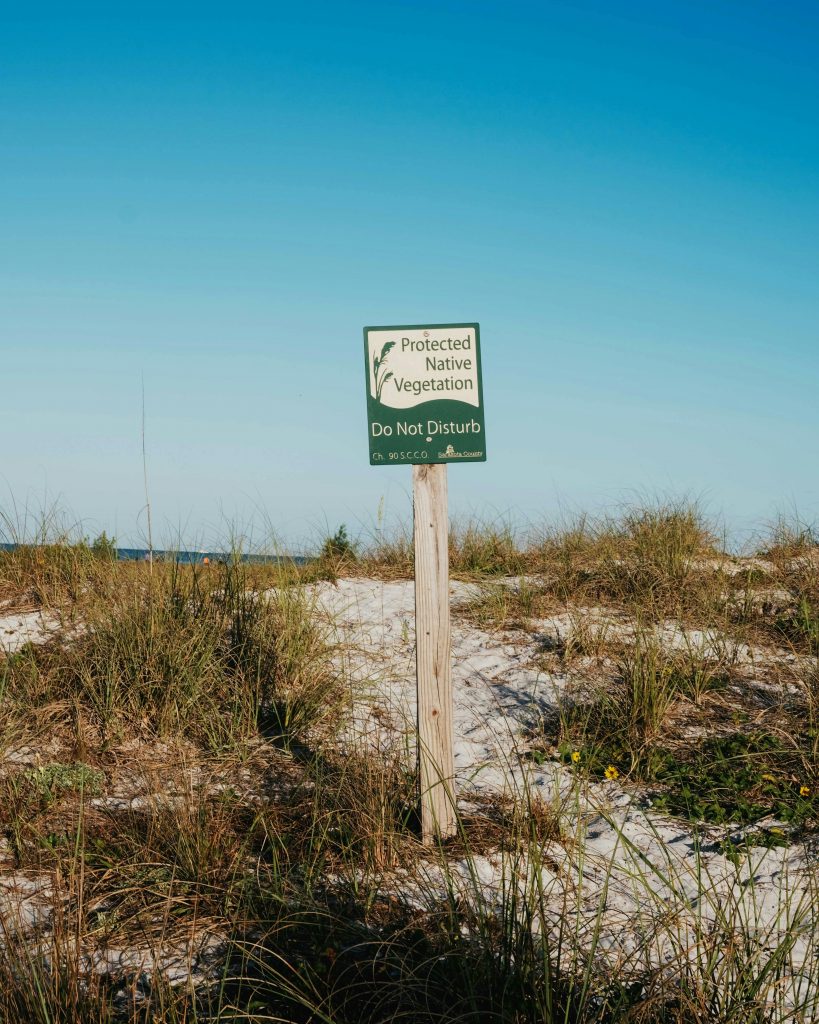
Zona frágil / Fragil zone
Fotografía/Photography: Pexels
Step 7. Design with the system
After reading the sand, design can respond more sensitively to the site: using adapted vegetation, allowing natural movement, avoiding unnecessary rigid barriers, guiding circulation, and protecting sensitive areas.
Designing with sand does not mean controlling the landscape, but learning to work with its movement. A sandscape reminds us that some territories are not built through permanence, but through adaptation, observation, and respect for natural processes.
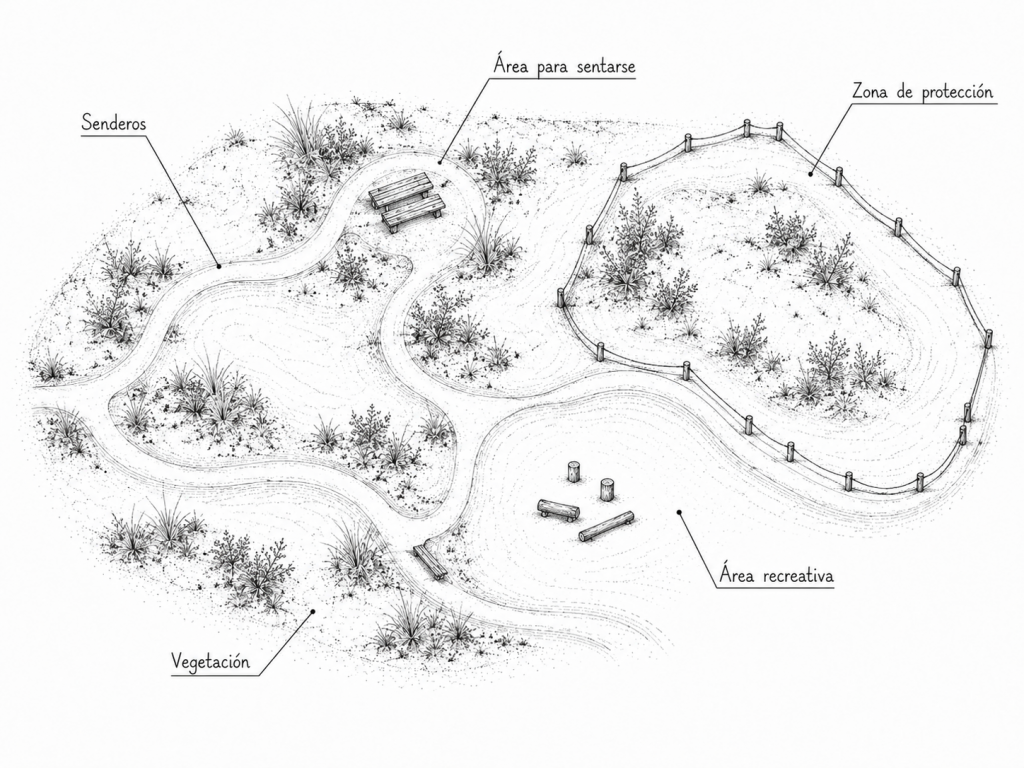
Diseño con el ecosistemal / Design with the ecosystem
Fotografía/Photography: Equipo Landuum


-10.28.24.jpg "Anunciate07-13-a-la(s)-10.28.24")

 13.26.42.png "Captura de Pantalla 2023-02-08 a la(s) 13.26.42")