

6 Design errors that turn a park into a Non-Place
In the article “6 design errors that turn a park into a Non-Place”, Sofía Medrano offers a guide to identifying when a park is uninhabitable, proposing suggestions based on native biodiversity and plant stratification to turn parks into true urban oases of permanence and life.
The urgency to urbanise has resulted in public spaces that, in many cases, are uninhabitable, as they stem from residual spaces of architectural projects: green fragments intended for recreational use, designed without analysing social and environmental dynamics. Thus, a park can comply with the required green surface and, even so, fail in its main purposes: providing ecosystem services and improving the quality of life of its users.
These are the critical errors that turn a park into a forgotten place:
Design oriented toward transit rather than permanence
A common error is projecting the park as a transit zone rather than a destination. As Jan Gehl points out in Life Between Buildings, the success of a place is measured by its permanence.
- Error 1: The lack of “pause places” (ergonomic seating, wind protection, or natural shade).
- Error 2: An excess of impermeable surfaces, mostly covered in asphalt or concrete.
Consequences: It increases local temperatures, creating “non-places” that push citizens away rather than inviting them to coexist and inhabit the space.
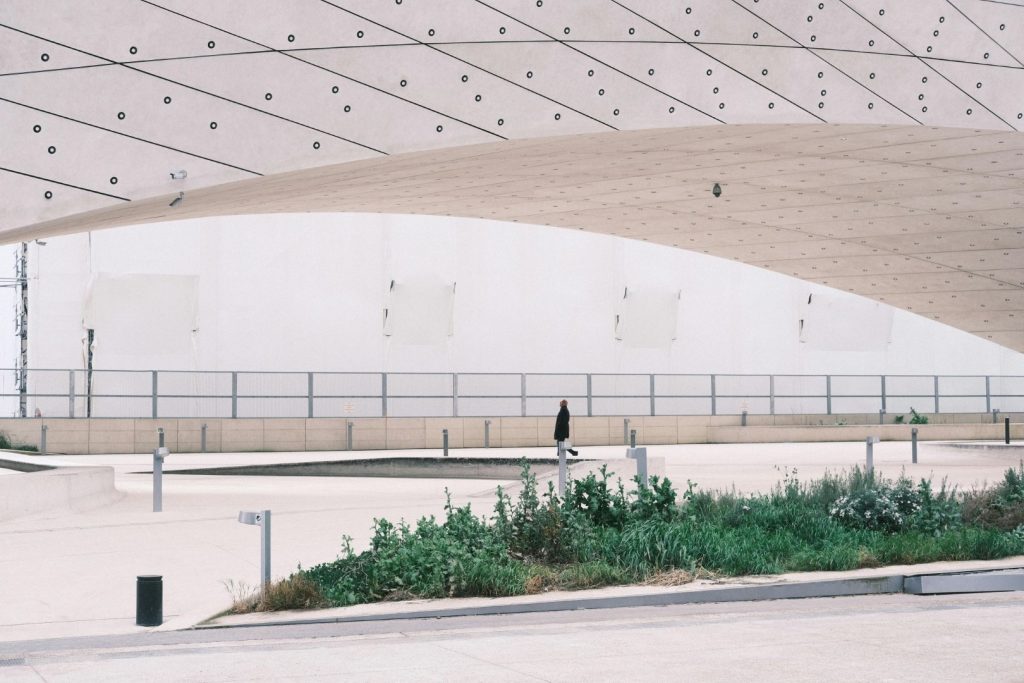
Plancha de concreto/Hardscape plaza
Fotografía/Photography: Pexels
Insecurity and the creation of “blind spots”
Following Jane Jacobs’ concept of “eyes on the street,” safety is an intrinsic component of design.
- Error 3: Deficient lighting.
- Error 4: Precarious maintenance of vegetation.
Consequence: This generates blind spots and visual disconnection, turning a public space into an unsafe location. If citizens cannot transit peacefully, the park dies before it can flourish.
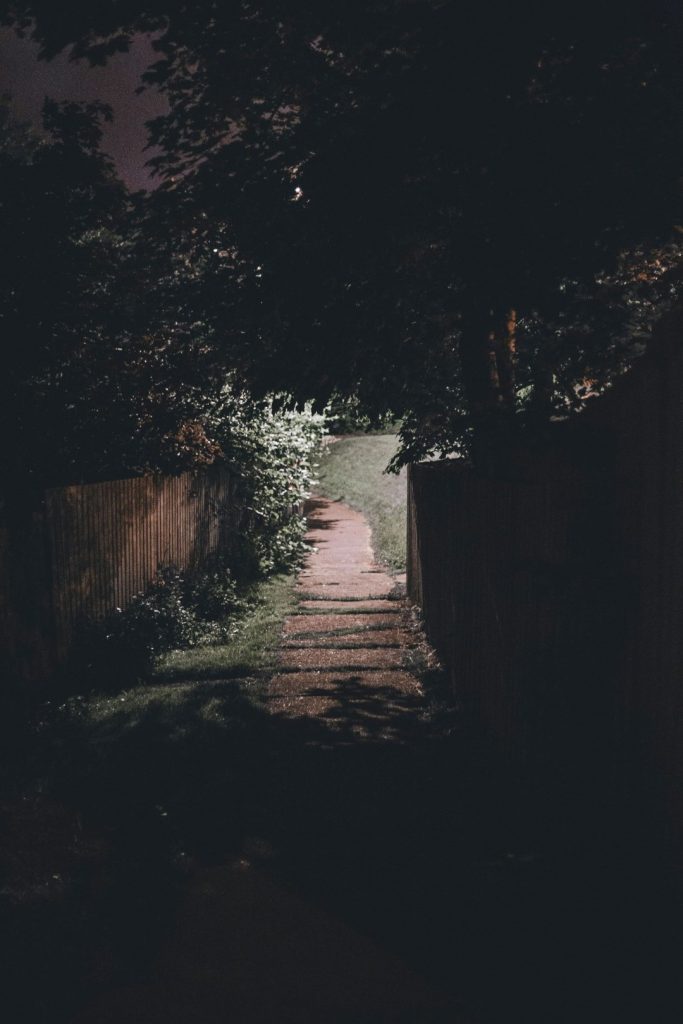
Parque con puntos ciegos/Park with blind spots
Fotografía/Photography: Pexels
The “green mirage”: Aesthetics vs. biodiversity
The excessive use of turfgrass and exotic ornamental species creates what entomologist Douglas W. Tallamy defines it as “food deserts.”
- Error 5: Designing contemplative landscapes that ignore their function as urban green infrastructure.
Consequence: Visually attractive but biologically sterile areas that offer no ecosystem services, causing the fragmentation of the city’s biological corridors (vegetation routes that allow local fauna to move).
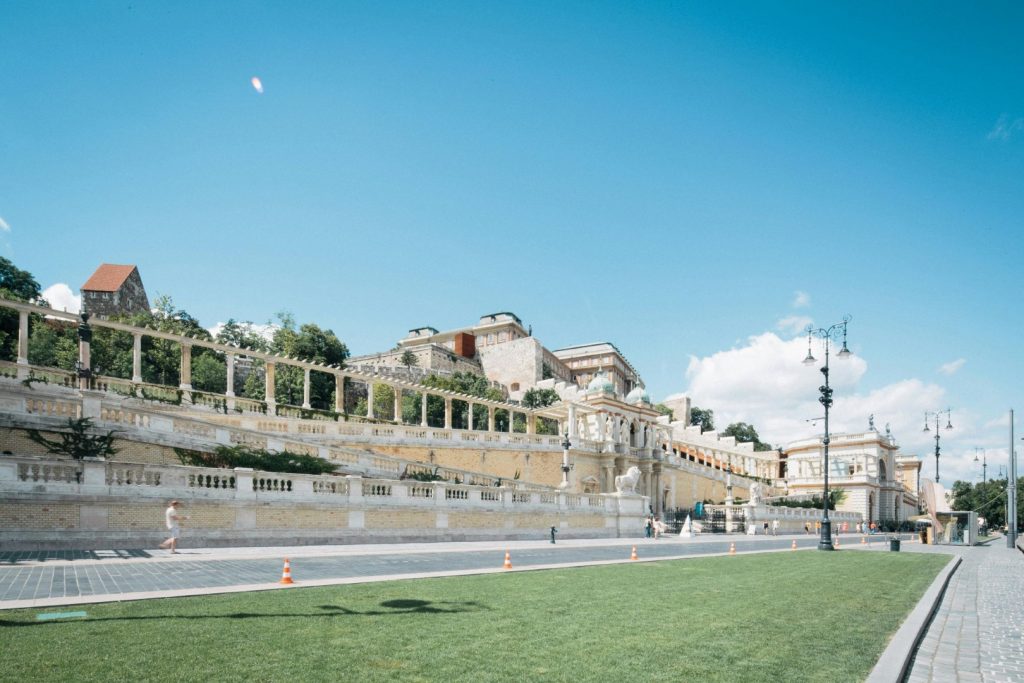
Espacio público con césped y sin sombra/Public space with turfgrass and no shade
Fotografía/Photography: Pexels
The absence of plant stratification and thermal comfort
For a park to fulfil its environmental function, it must also operate as a complex habitat.
- Error 6: Proposing a plant palette without stratification (isolated trees), thus ignoring the natural structure of ecosystems. (plant stratification refers to the presence of different heights and types of plants, such as trees, shrubs, and herbaceous plants).
Consequence: The ability to generate a cool microclimate is lost, resulting in spaces with high thermal stress and reduced biodiversity refugia.
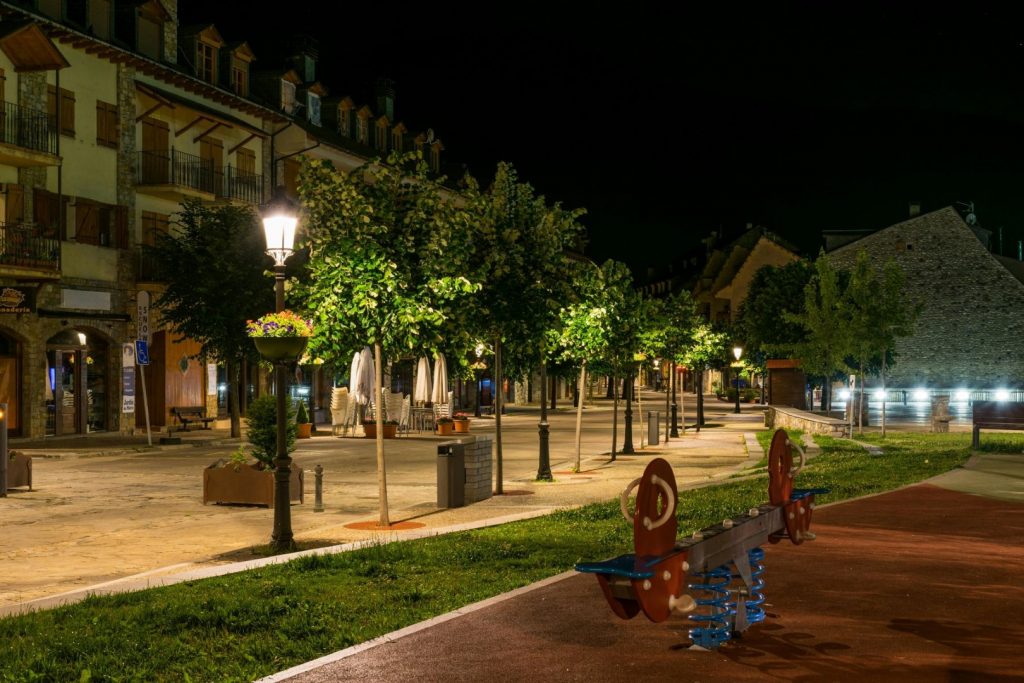
Espacio público con árboles y césped aislados/Public space with isolated trees and turfgrass
Fotografía/Photography: Pexels
The Proposal
To reverse this, following Gilles Clément’s premises in his Manifesto of the Third Landscape, landscape design should always include:
- Native plants: They are the foundation of the local food chain.
- Stratification: A plant palette that includes different layers—trees, shrubs, herbaceous plants, and groundcovers—to create ecological niches.
- Staggered blooming: To provide refuge and food for pollinators throughout the year.
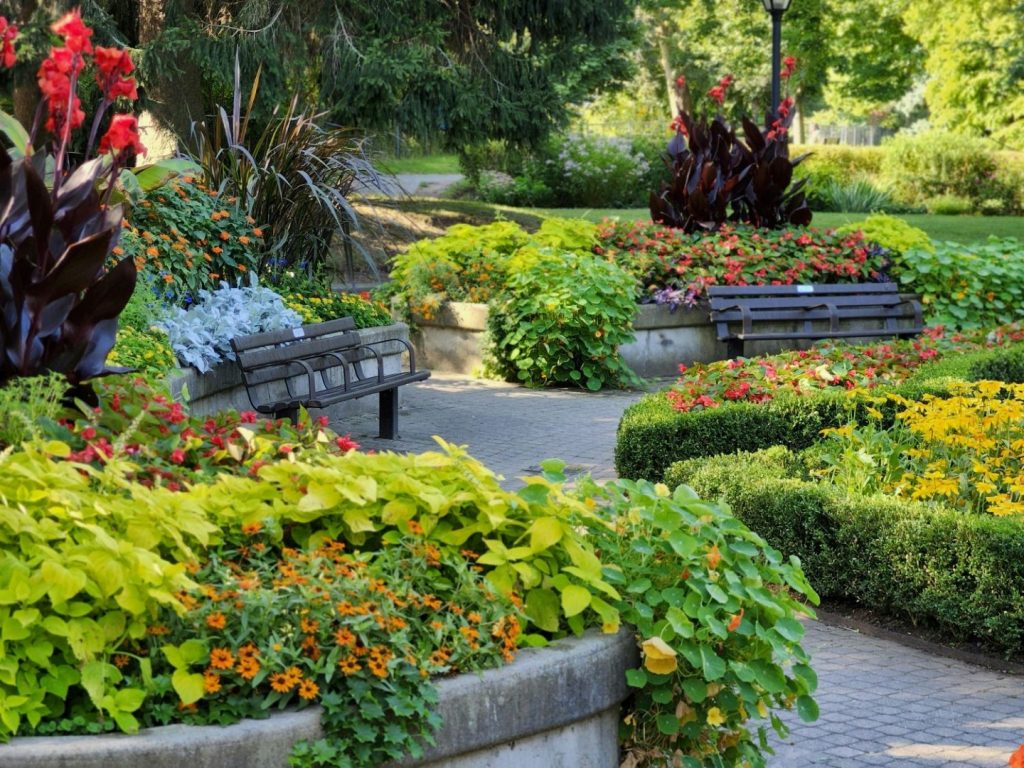
Parque funcional y biodiverso/Functional and biodiverse park.
Fotografía/Photography: Pexels
Toward a culture of functional landscape
A park that is uninhabited and fails to sustain local life is, in essence, a failed project. The great challenge of contemporary planning is understanding that the quality of public space is not measured in square meters, but in the synergy between human comfort and ecosystem health. By correcting these errors, we return the city’s ability to breathe, allowing the urban landscape to flourish as an essential meeting point between the community and its natural environment.
Bibliografía / Bibliography:
Clément, Gilles. Manifesto of the Third Landscape. Barcelona: Editorial Gustavo Gili, 2004.
Gehl, Jan. Life Between Buildings: Using Public Space. Barcelona: Editorial Reverté, 2006.
Jacobs, Jane. The Death and Life of Great American Cities. Madrid: Capitán Swing, 2011.
Tallamy, Douglas W. Bringing Nature Home: How You Can Sustain Wildlife with Native Plants. Portland: Timber Press, 2007.


-10.28.24.jpg "Anunciate07-13-a-la(s)-10.28.24")

 13.26.42.png "Captura de Pantalla 2023-02-08 a la(s) 13.26.42")


