

MICRO AND MARCO: Living the City in Connection with Nature
Andrea Esparza, in Micro and macro: Living the City in Connection with Nature, invites us to reflect on composting as a bridge between everyday life and environmental care. A brief look at how daily gestures can restore life to the soil, even in the heart of the city.
We all need to start composting the organic waste we produce. This is not an idea rooted in obligation, but one I think, feel, and practice. Of all the reflections I have the pleasure of sharing with you today, this is perhaps the one I most hope will stay with you.
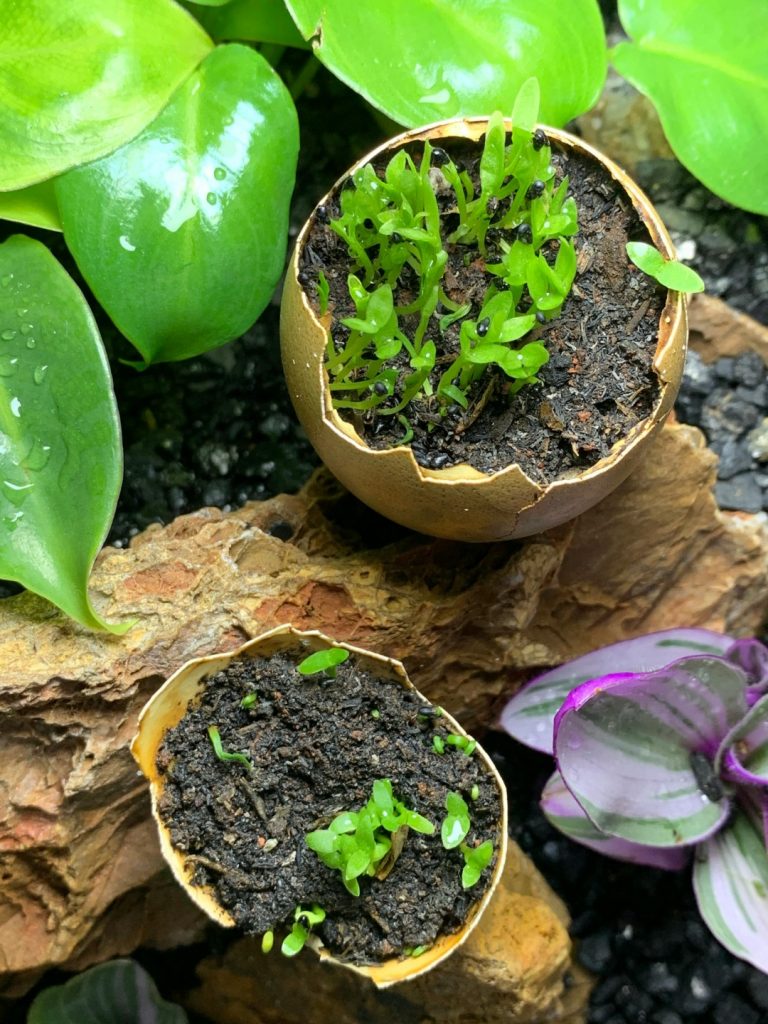
Jardín con hojas y plantas en crecimiento/Left photography: Garden with leaves and growing plants
Fotografía/Photography: JANG’S. Pexels

Cáscaras de huevo sobre fondo amarillo/Right photography: Eggshells on a yellow background
Fotografía/Photography: Schvets, Ana. Pexels
Human needs are universal; what differs from one culture to another is how we choose to meet them. We eat, we sleep, we dispose of waste, we seek shelter, we breathe, we drink water, to name a few examples. Yet there is one need that transcends time and context: a deep instinct to connect with nature and its cycles.

Comida saludable/Healthy food
Fotografía/Photography: Schvets Production. Pexels
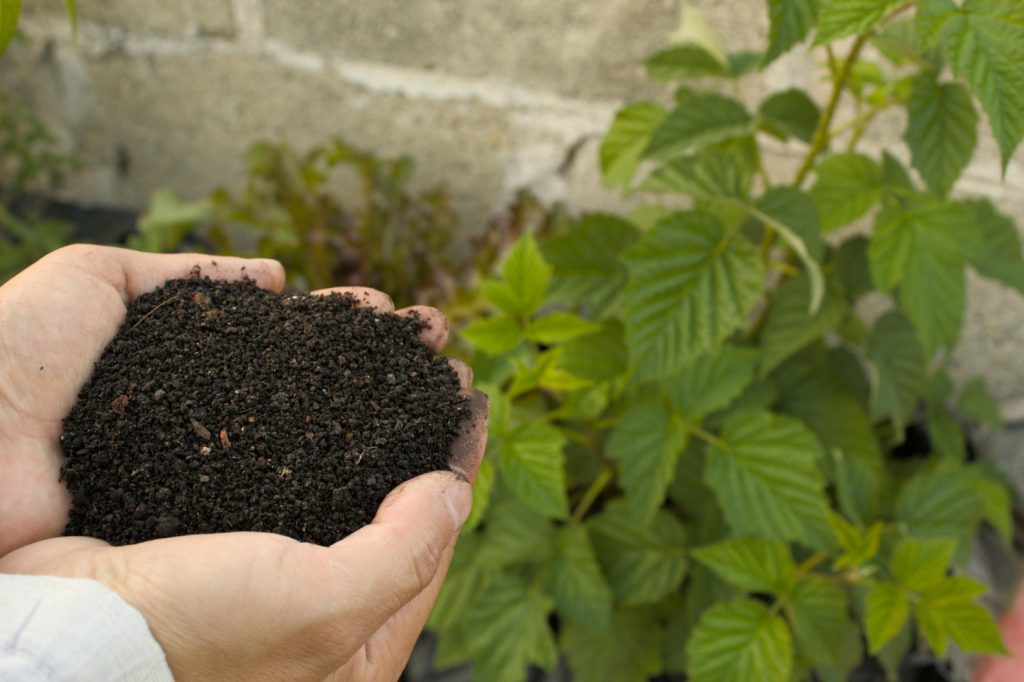
Fertilizante de lombriz roja/Red worm fertilizer
Fotografía/Photography: Morales-Trejo, Juan J. Pexels
You can see this clearly if you spend time with children or live with pets: they need open spaces to release their stored energy. Just look at their faces to recognize the sense of well-being that comes from being outdoors, especially in natural environments.Fotografía/Photography: Kollannoor, Jomon. Pexels
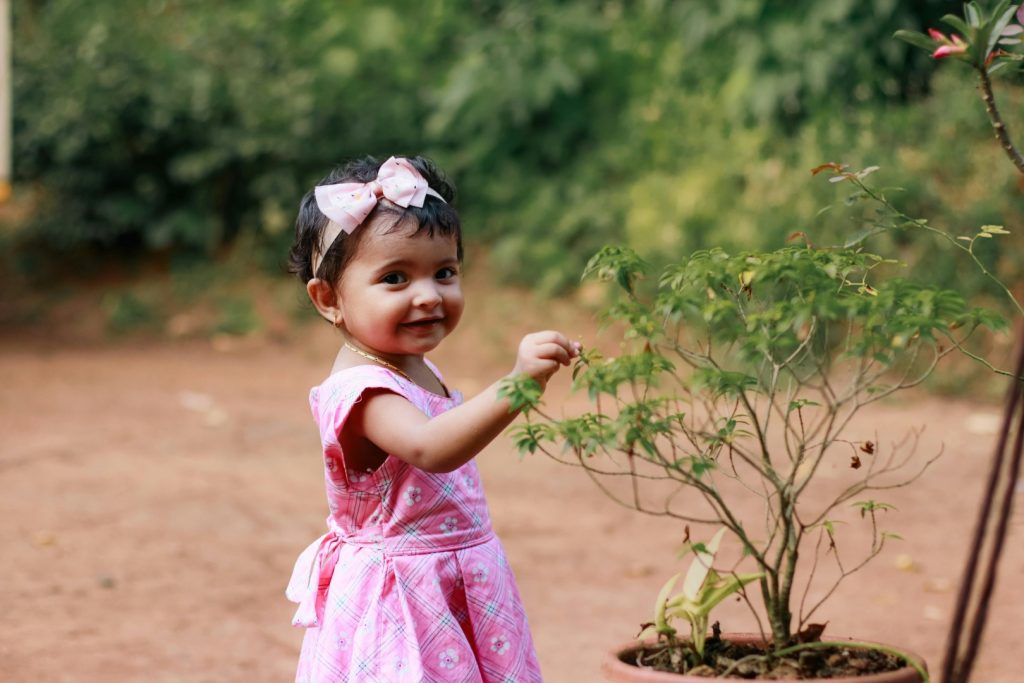
Fotografía/Photography: Kollannoor, Jomon. Pexels
You and I share that same need. As adults in our productive years, many of us have learned to silence our instincts in order to align ourselves with the rhythms of production and consumption. Research shows that spending leisure time in nature “supports the fulfillment of needs for social interaction, physical development, health maintenance, connection with nature, identity, learning, biodiversity conservation, cultural preservation, spiritual well-being, and others” (Driver, Brown & Peterson, 1991).
If I were to ask my students at UNAM how many of them live in apartments, nearly all would raise their hands. In Mérida, Yucatán, however, daily life still often unfolds in single-family homes. The need for shelter is met in both contexts; yet housing conditions directly shape whether one can live in daily contact with nature and its cycles, or not.
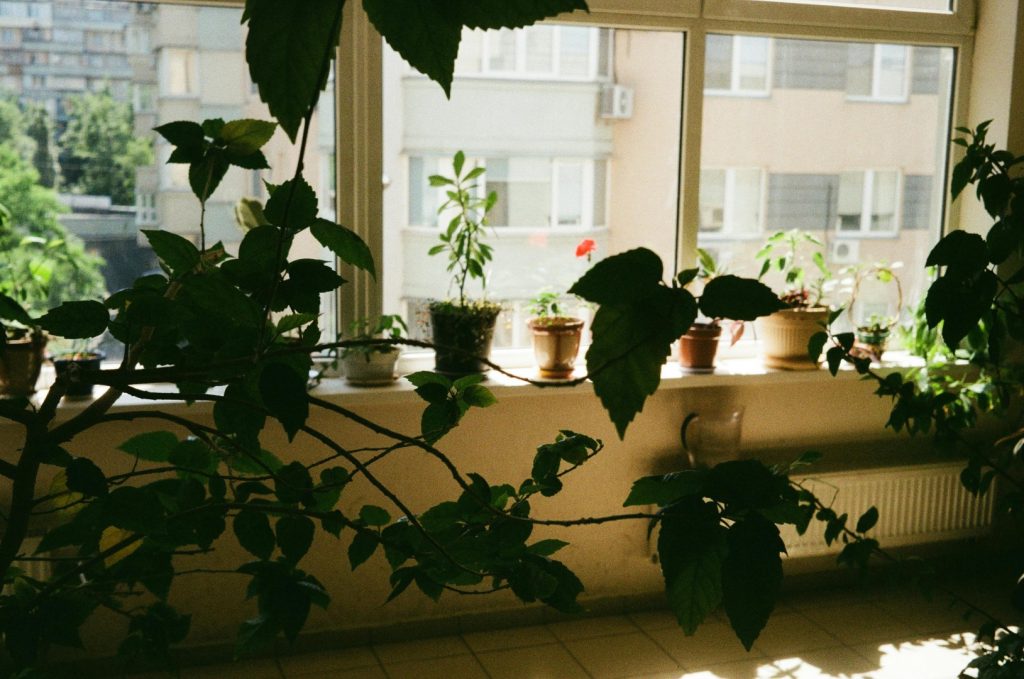
Edificio con hojas y flores frescas/Building with fresh leaves and flowers
Fotografía/Photography:Volkov, Mykhailo. Pexels
Viewed from the macro scale, the reduction of living space (without attaching value judgments) means that connecting with the natural environment increasingly depends on having accessible public spaces within walking distance of home. At the micro scale, it often translates into filling interiors with potted plants. In Mérida, where I have the privilege of living in a house with a generous patio, my daily contact with nature happens within my own home. Community, meanwhile, is built in public space—the setting of collective life, of mobility, of encounters with others: neighbors, children, different realities.Casa y mujer en un pueblo/House and woman in a village
Fotografía/Photography:Nguyen Vinh, Quang.Pexels
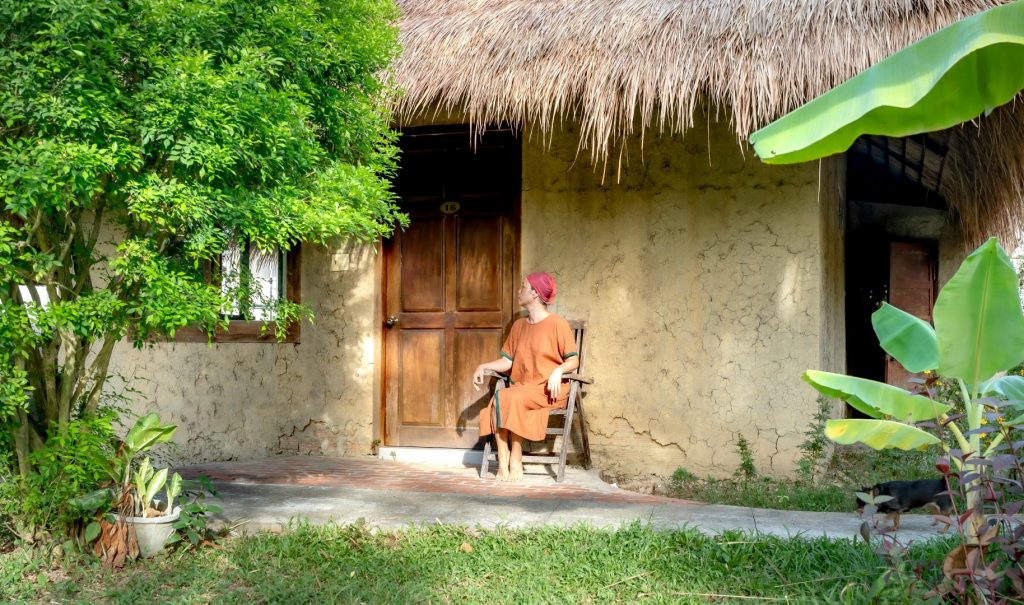
Casa y mujer en un pueblo/House and woman in a village
Fotografía/Photography:Nguyen Vinh, Quang.Pexels
Living in connection with nature is not limited to observing it, nor to having a beautiful garden; it means participating in its cycles. What we choose to eat, how we transform it, and what we return to the earth. Micro actions, taken together, have a powerful capacity to reshape reality—even if that impact may seem abstract or invisible. That does not make it any less meaningful to contribute.
Living in connection with nature is not limited to observing it, nor to having a beautiful garden; it means participating in its cycles.
Today, the management of urban solid waste is a clear reflection of our disconnection from nature’s cycles and of the cumulative environmental damage our daily actions produce. In Mexico, there are more than 2,200 final disposal sites, ranging from open dumps to controlled sites and sanitary landfills, that, to varying degrees, release gases into the atmosphere and liquids into the subsoil. Everything we discard, the single-use plastic bottle, the party plate, the snack packaging, ends up buried in a mound somewhere in our city. We hand over a trash bag to municipal services and, almost automatically, it disappears from our awareness as well.
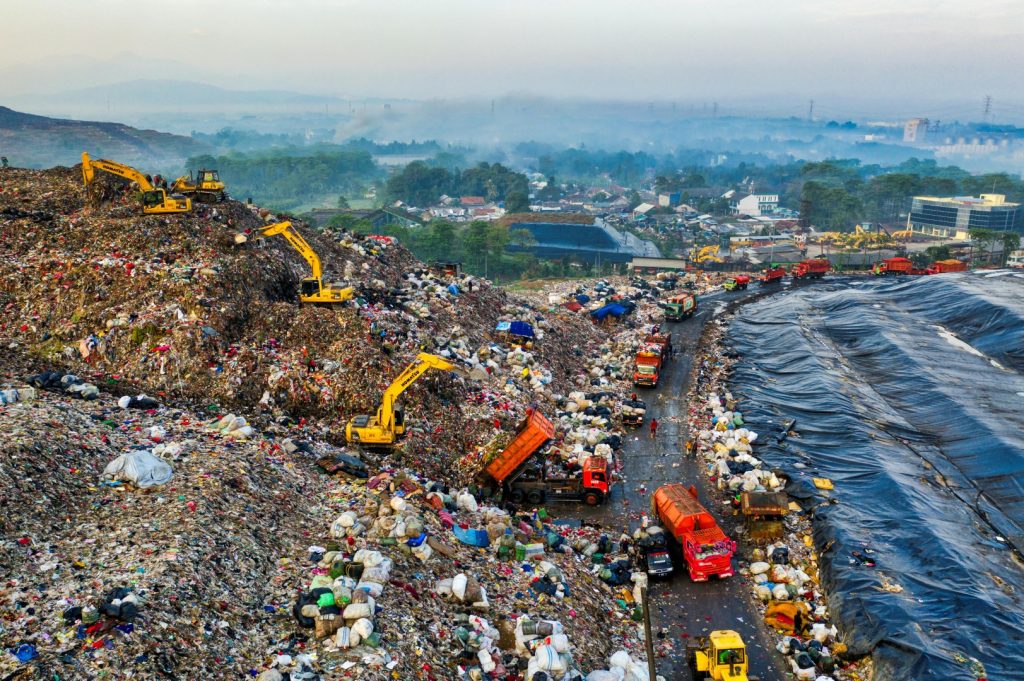
Fotografía área del daño medioambiental y contaminación por basura/Aerial photograph of environmental damage and pollution from garbage
Fotografía/Photography: Fisk, Tom, Pexels
Composting our organic waste is not merely a waste management strategy; it is a tangible way to reenter nature’s cycles through everyday life. It is a real contribution toward reducing our impact and fostering healthier soils. To participate in the cycle at the micro level is to take part in meaningful change through daily action. It invites me to question how I nourish myself, how compostable what I consume truly is, which unnecessary packaging I can avoid, and how simple it can be to allow nature to regenerate on its own. Perhaps within that everyday gesture lies one of the most immediate contributions we can make toward inhabiting human settlements that are more just in their relationship with the natural world.
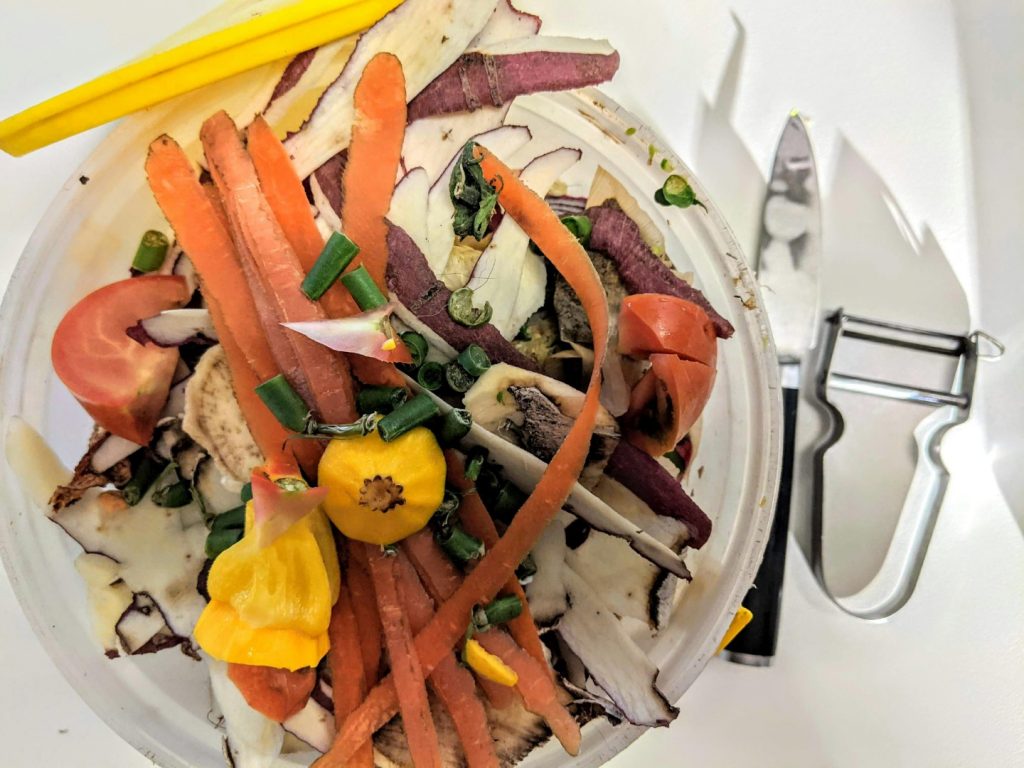
Composta/Compost
Fotografía/Photography: Nys, Denise, Pexels
Bibliography
- Herrera, Pepe. 2025. “Rellenos sanitarios: solución técnica contra la crisis de residuos.” UNAM Global Revistas, 4 de junio de 2025. https://unamglobal.unam.mx/global_revista/rellenos-sanitarios-solucion-residuos/.
- Driver, Beverly L., Perry J. Brown, y George L. Peterson. 1991. Benefits of Leisure. Pennsylvania: Venture Publishing.
- Instituto Nacional de Estadística y Geografía (INEGI). 2023. Problemáticas ambientales. PDF. https://www.inegi.org.mx/contenidos/inegi/ccu/2023/primera_sesion/presentaciones/problematicas_ambientales.pdf.
4. Flores, C. B. 2009. “La problemática de los desechos sólidos.” Redalyc: Red de Revistas Científicas de América Latina y el Caribe, España y Portugal. PDF. https://www.redalyc.org/pdf/1956/195614958006.pdf


-10.28.24.jpg "Anunciate07-13-a-la(s)-10.28.24")

 13.26.42.png "Captura de Pantalla 2023-02-08 a la(s) 13.26.42")


