

Altar: A Botanical Garden in the Heights of San Miguel de Allende
Discover Altar: A botanical garden in the heights of San Miguel de Allende, a green rooftop that reimagines the urban landscape from a critical perspective deeply rooted in its territory, by Oficina de Diseño Colaborativo.
In the heart of San Miguel de Allende’s historic center, atop the iconic Casa Cohen—now L’otel Casa Arca—lies Altar, a green rooftop that reimagines the urban landscape from a critical perspective deeply rooted in its territory. The landscape design of this restaurant stems from a political and ecological gesture: reclaiming the Bajío’s xerophilous scrubland as a possible and valuable aesthetic, in contrast to the Eurocentric landscape models that still prevail in the area.
Transforming this rooftop into a botanical garden was the starting point. To achieve this, a green roof system was chosen, allowing the space to be perceived as a true garden. Native species from the region, along with other naturalized plants adapted to the semi-arid climate, were selected, prioritizing those that provide refuge for pollinators and urban biodiversity.
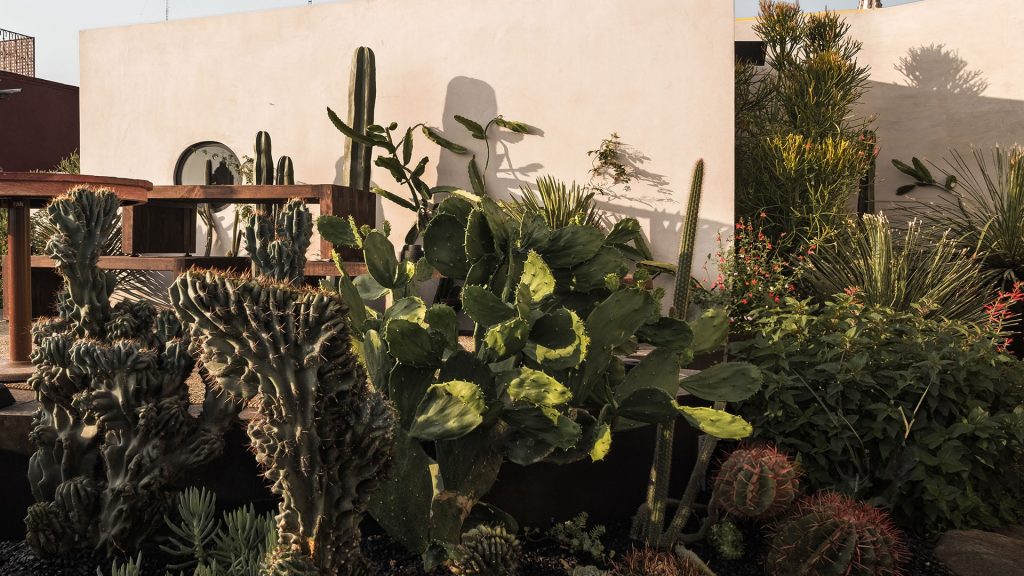
Vegetación de Altar / Altar´s vegetation
Fotografía / Photography: Sebastián Ayala
The intention goes beyond creating a restaurant with a garden; it seeks to provoke a sensory experience that evokes the region’s original landscape. These species of cacti, herbaceous plants, succulents, and groundcovers, in addition to providing texture, movement, and color, also carry a symbolic and emotional weight: they are bearers of ecological and cultural memory. Naturally adapted to the region’s climate, they require little maintenance and low water consumption, making them ideal for a semi-desert context. In the face of the global loss of biodiversity, these plants become resilient allies that support species of flora and fauna from the original ecosystem that are now under threat.
Beyond creating a restaurant with a garden, it seeks to provoke a sensory experience that evokes the region’s original landscape.
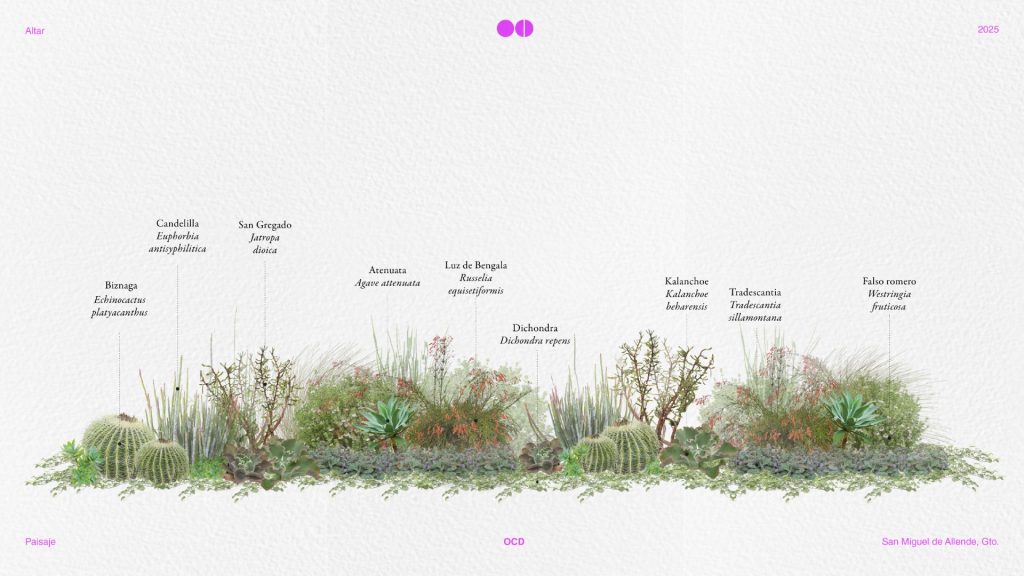
Alzado de paleta vegetal / Plant palette elevation
Ilustración / Illustration: Oficina de Diseño Colaborativo
The green roof system was carefully designed to maintain the necessary conditions for vegetation to thrive without compromising the building’s structure. The plant palette, rich in forms, textures, and tones, fulfills concrete ecological functions: it captures rainwater, regulates temperature, improves air quality, and promotes habitable microclimates. In addition, by absorbing part of the stormwater runoff, it helps reduce pressure on urban drainage systems and lowers the risk of flooding, a problem that is becoming increasingly frequent in cities. During hot periods, the garden reduces temperatures both at the surface and inside the building; in winter, it retains heat, optimizing thermal comfort and energy efficiency.
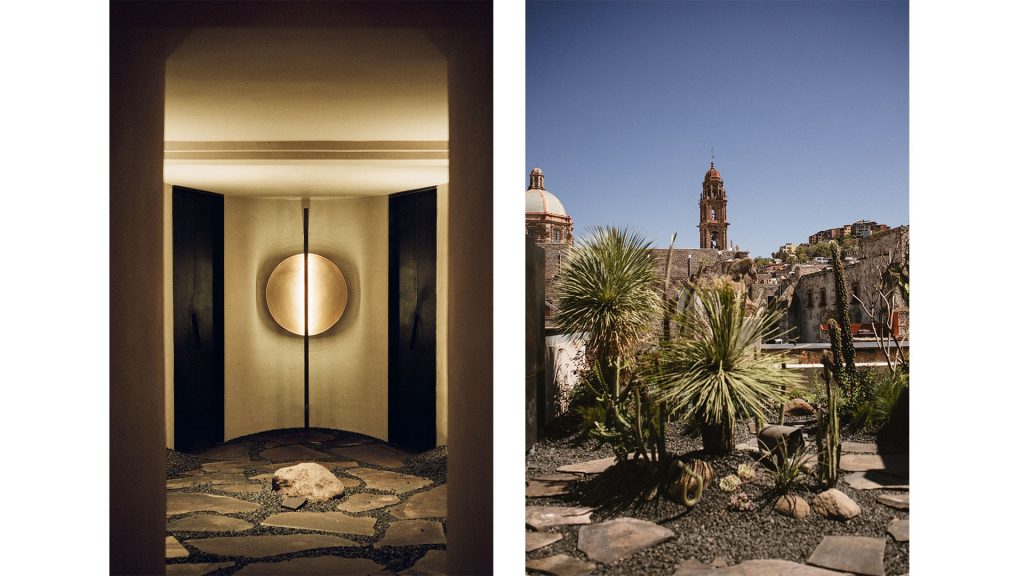
Iluminación, detalles y paisajismo / Lightning, details and landscape
Fotografía / Photography: Diego Rivero, Daniel Pereira e Ivana Cassucio
In an urban context that has almost entirely erased natural habitats, this elevated garden functions as a refuge for birds, butterflies, and other insects. By integrating with the restaurant’s dining experience, it enhances the value of the place, offering privileged views of the Parroquia of San Miguel Arcángel while returning to the city a fragment of the landscape that belongs to it.
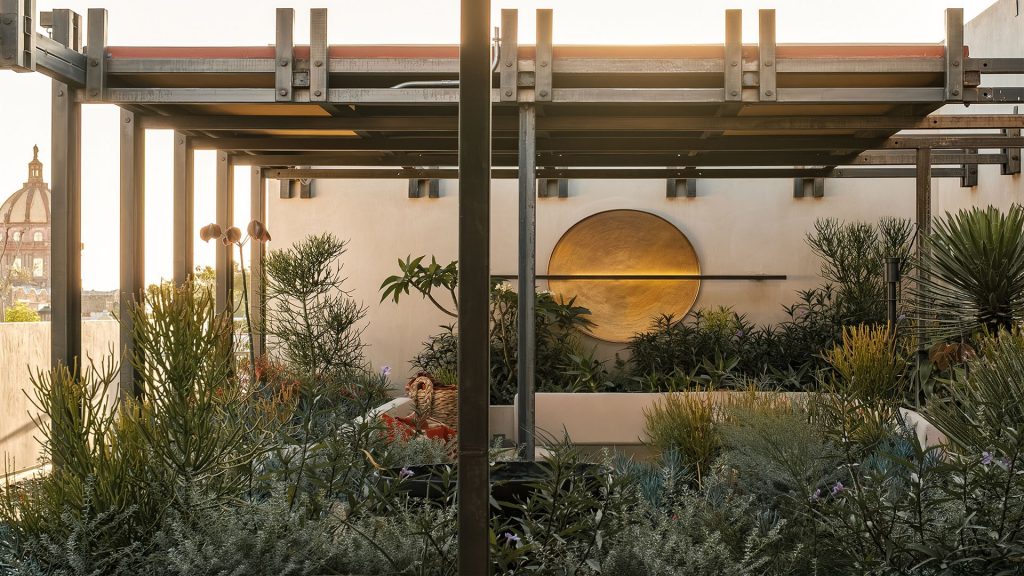
Vista exterior / Exterior view
Fotografía / Photography: Sebastián Ayala
Altar is a critical response to the way we design territory. In the Bajío region, landscape design has long been shaped by a colonial influence that has favored European models disconnected from the local ecological context. This has led to territorial management practices that ignore local ecology, degrade ecosystems, and erase the cultural memories that inhabit them. In this context, projects like Altar are not only strategies for ecological regeneration, but also tools for cultural change: they invite us to value our landscapes, recover their symbolic and aesthetic power, and build new ways of inhabiting that celebrate the local while generating resilience in urban contexts.
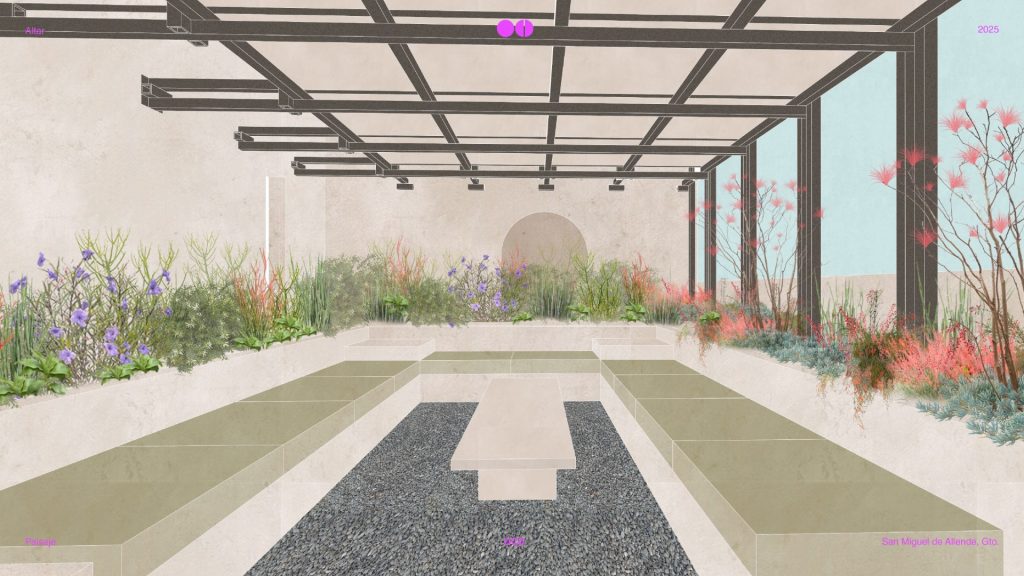
Ilustración con propuesta de paisaje / Illustration with landscape proposal
Ilustración / Illustration: Oficina de Diseño Colaborativo
The use of native plants not only gives the project its identity, but also reconnects architecture with the natural and cultural environment to which it belongs. This type of intervention reminds us that it is possible to design more livable and adaptable spaces, where nature and the city are not in conflict, but in dialogue.
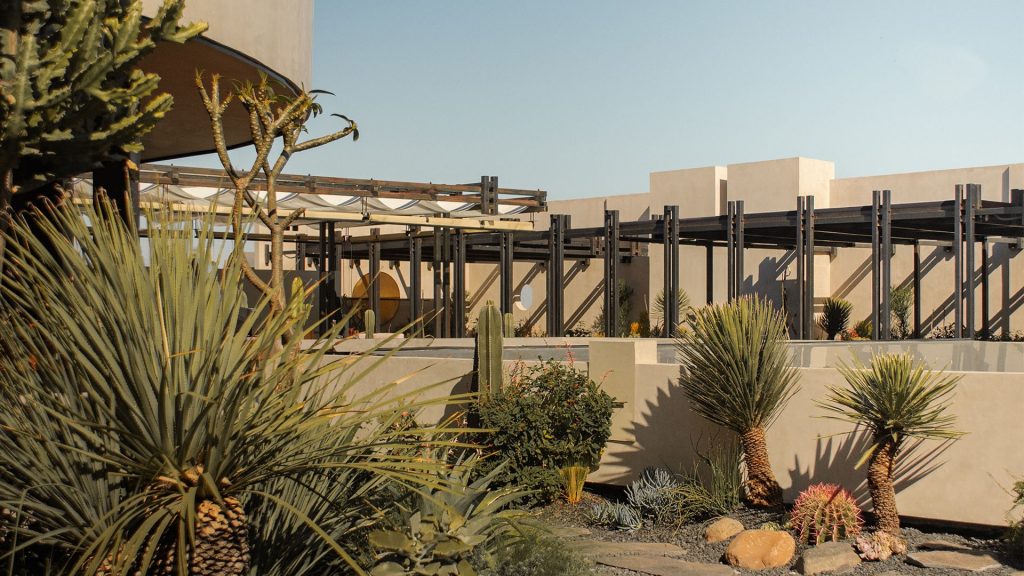
Vista exterior / Exterior view
Fotografía / Photography: Sebastián Ayala
The use of native plants not only gives the project its identity, but also reconnects architecture with the natural and cultural environment to which it belongs.
Créditos / Credits
Arquitectura / Architecture: TANAT y PEMO
Dirección de arquitectura / Architecture direction: Diego Rivero Borrell y Daniel Pereira
Diseño de paisaje / Landscape design: Oficina de Diseño Colaborativo OCD
Dirección de diseño de paisaje / Landscape design direction: Nadyeli Quiroz Radaelli
Equipo de diseño de paisaje / Landscape design team: Alejandra Skinfield, Sara López Farías
Fotografía / Photography: Sebastian Ayala, Diego Rivero Borrell, Daniel Pereira


-10.28.24.jpg "Anunciate07-13-a-la(s)-10.28.24")

 13.26.42.png "Captura de Pantalla 2023-02-08 a la(s) 13.26.42")


