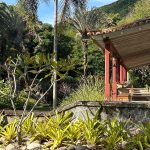

The Siqueiro Garden: A Naturalistic Oasis in the Heart of Brasília
Join Dr. J. Cruz in “The Siqueiro Garden: A Naturalistic Oasis in the Heart of Brasília,” a project where the integration of native and Mexican flora creates a haven of biodiversity that challenges the use of conventional lawns. This colorful garden is presented as an ideal landscape model to be replicated in public spaces across Latin America.
In the last week of February 2026, I traveled to Brasília to participate in the First Latin American Meeting of Naturalistic Landscaping, held at the University of Brasília. Landscape architects from Argentina, Brazil, Chile, Mexico, and Uruguay gathered to discuss biodiversity, design, and the future of landscape in Latin America. Among the field visits scheduled, the one that sparked my particular interest was the visit to the Siqueiro Garden, a naturalistic landscaping project that is beginning to transform the relationship between vegetation and public space within the university campus.
The garden was designed by Júlio Pastore, organizer of the meeting, and covers an area of more than five thousand square meters. Walking through it, I perceived a vibrant plantation, an excellent example of Latin American naturalistic landscaping. Inspired by the Cerrado biome, Pastore conceived it as a biodiverse space that contrasts with the traditional lawn areas present in the modern city concept that characterizes Brasília.

Dr. J., Cruz en el Jardín de Siqueiro/Dr. J. Cruz at the Siqueiro Gardens
Fotografías/Photographs: Dr. J. Cruz García Albardo
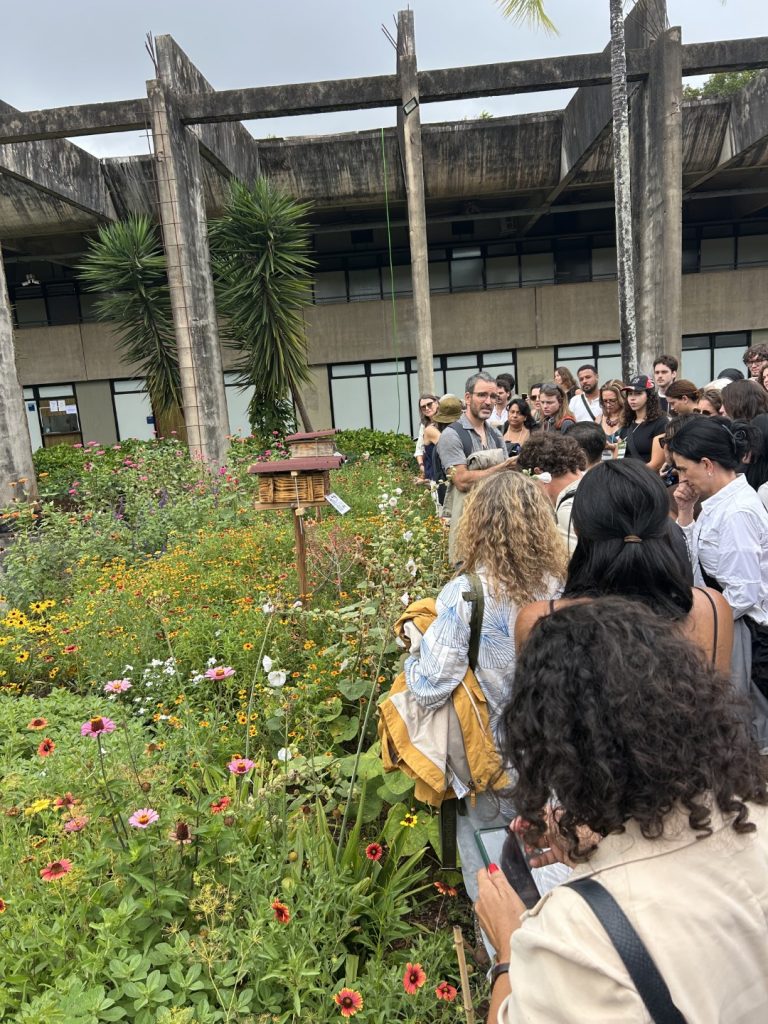
Recorrido por el jardín/A walkthrough of the garden
Fotografías/Photographs: Dr. J. Cruz García Albardo
The garden hosts a mixture of native Brazilian flora together with other adapted species, creating a refuge for pollinators and a mosaic of colors that changes with the seasons. With this proposal, Pastore seeks to demonstrate how green infrastructure can regenerate the relationship between city and nature, inspiring future urban oases.
A first visit was not enough to fully experience this place. I felt the need to return a second time, this time on a quiet Sunday morning.
During the walk, I was accompanied by the gentle whisper of the morning wind against the building’s concrete walls, an intensely blue sky, and the brilliant light of the Brazilian summer sun. What especially caught my attention was the way native Brazilian plants integrate with introduced species, among them some Mexican plants that I recognized with excitement, such as zinnias, gaillardias, and dahlias.
The first two, which we have studied for years in Veracruz, appear here as allies within this urban ecosystem. I was also surprised by the constant hum of bees among zinnias and rudbeckias, as well as the scent of fertile soil after the rain from the previous day.
Amid a Brasiliense landscape often dominated by expanses of lawn, this garden overflowed with life and color, becoming a true urban oasis, like an idea beginning to take shape that could expand into other green spaces throughout the great city of Brasília.
This garden is not just a landscaping experiment; it is a seed of what Brasília’s future urban oases could become
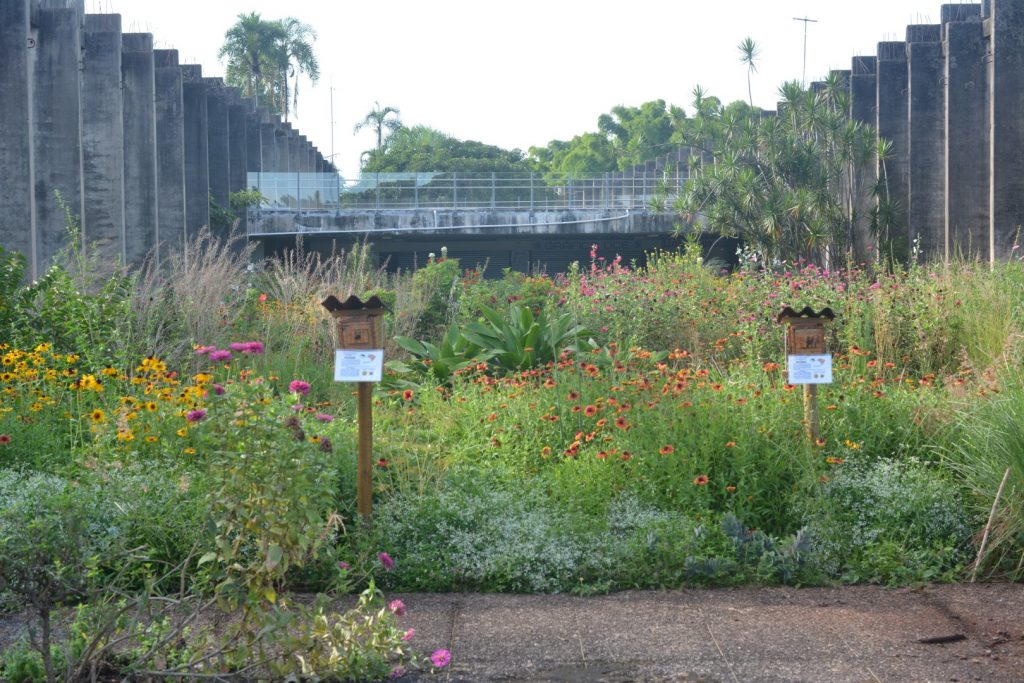
Biodiversidad y color en el Jardín de Siqueiro/Biodiversity and color in the Siqueiro Garden
Fotografía/Photography: Dr. J. Cruz García Albardo
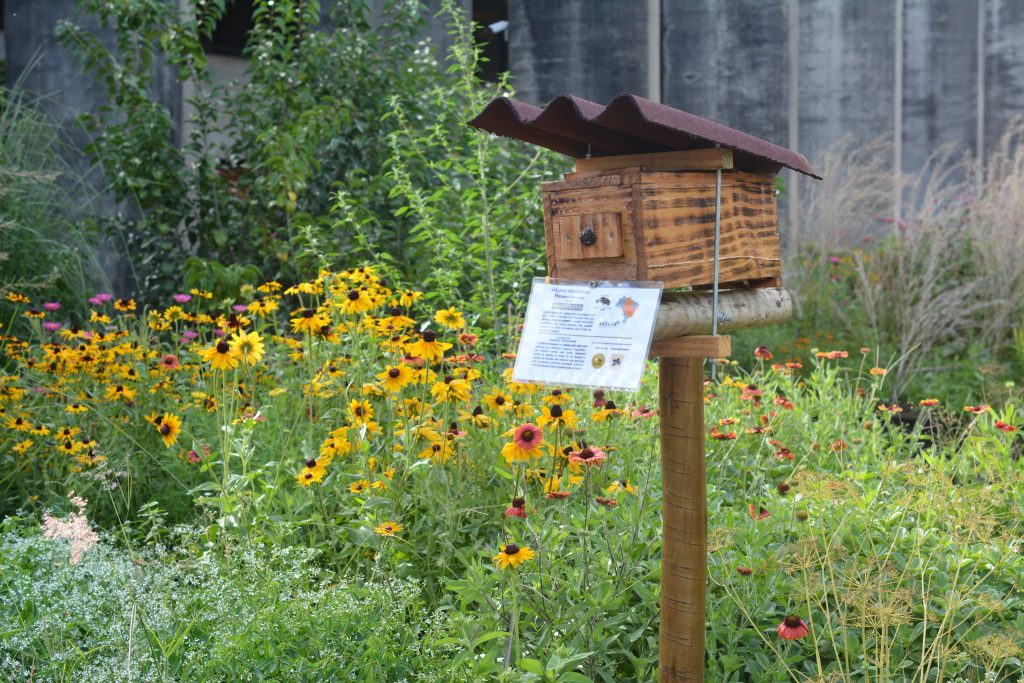
Rudbeckias y refugios para polinizadores/Rudbeckias and pollinator refuges
Fotografía/Photography: Dr. J. Cruz García Albardo
Facing this experience, an inevitable question emerged: could this oasis become a model for Brasília itself? In a city where urban vegetation is often limited to uniform lawns, the Siqueiro Garden demonstrates that green infrastructure can be biodiverse, resilient, and culturally significant.
This garden is more than a collection of plants: it is a vision of how cities can reconnect with nature.
As I walked among zinnias, gaillardias, bees, and grasses moved by the Cerrado wind, I understood that this garden is not just a landscaping experiment; it is a seed of what Brasília’s future urban oases could become. I realized then that this space is not only a green refuge but also a call to rethink the city.
I imagine a Brasília—or any other Latin American city—where large esplanades and parks dominated by grass are transformed into colorful urban oases, spaces where the life of pollinators is celebrated and where biodiversity once again becomes part of the everyday landscape.
Perhaps the future of our cities does not lie in more uniform turf, but in living gardens like Siqueiro, where color, biodiversity, and pollinators reclaim their place in the urban landscape.


-10.28.24.jpg "Anunciate07-13-a-la(s)-10.28.24")

 13.26.42.png "Captura de Pantalla 2023-02-08 a la(s) 13.26.42")