

Landscape Weave
In this interview, Alejandra de la Cerda presents Tejido Paisaje, a landscape architecture project that understands territory as a living organism. Through resilient projects based on observation, experimentation, and design, it promotes the regeneration of territories and the restoration of ecological relationships.
Tejido Paisaje conceives the territory as a living organism. Founded by Alejandra de la Cerda, the studio emerged from attentive observation and a deep connection to place. It is a collaborative space where different disciplines and sensibilities converge; each project is woven collectively, listening to and learning from the territory. At the intersection of science, art, and intuition, Tejido accompanies natural processes of regeneration to restore soils, manage water, and promote biodiversity.
1.How did your passion for Landscape Architecture and the restoration of natural spaces begin?
I believe my relationship with the landscape began long before I knew there was a profession called Landscape Architecture. I grew up in Cuernavaca, Morelos, and, as long as I can remember, my amusement park was a huge Indian laurel tree: its roots were bigger than I was. I climbed it, hid among its branches, discovered insects, built imaginary shelters in its nooks, and spent hours observing everything that happened around it. It was my safe place. My whole world fit inside that tree.
Over time, I came to understand that those moments had built a deep and genuine connection with nature. Today, I remember them with a certain nostalgia, because experiences as simple and essential as those have become a luxury or, in many cases, something almost nonexistent for many children.
Then came Mexico City: an extraordinary, complex, contradictory, and deeply fascinating city; a city of many cities coexisting within the same geography. Living here awakened in me the desire to imagine spaces that would allow us to reconnect with our surroundings in a way that is both closer and healthier.
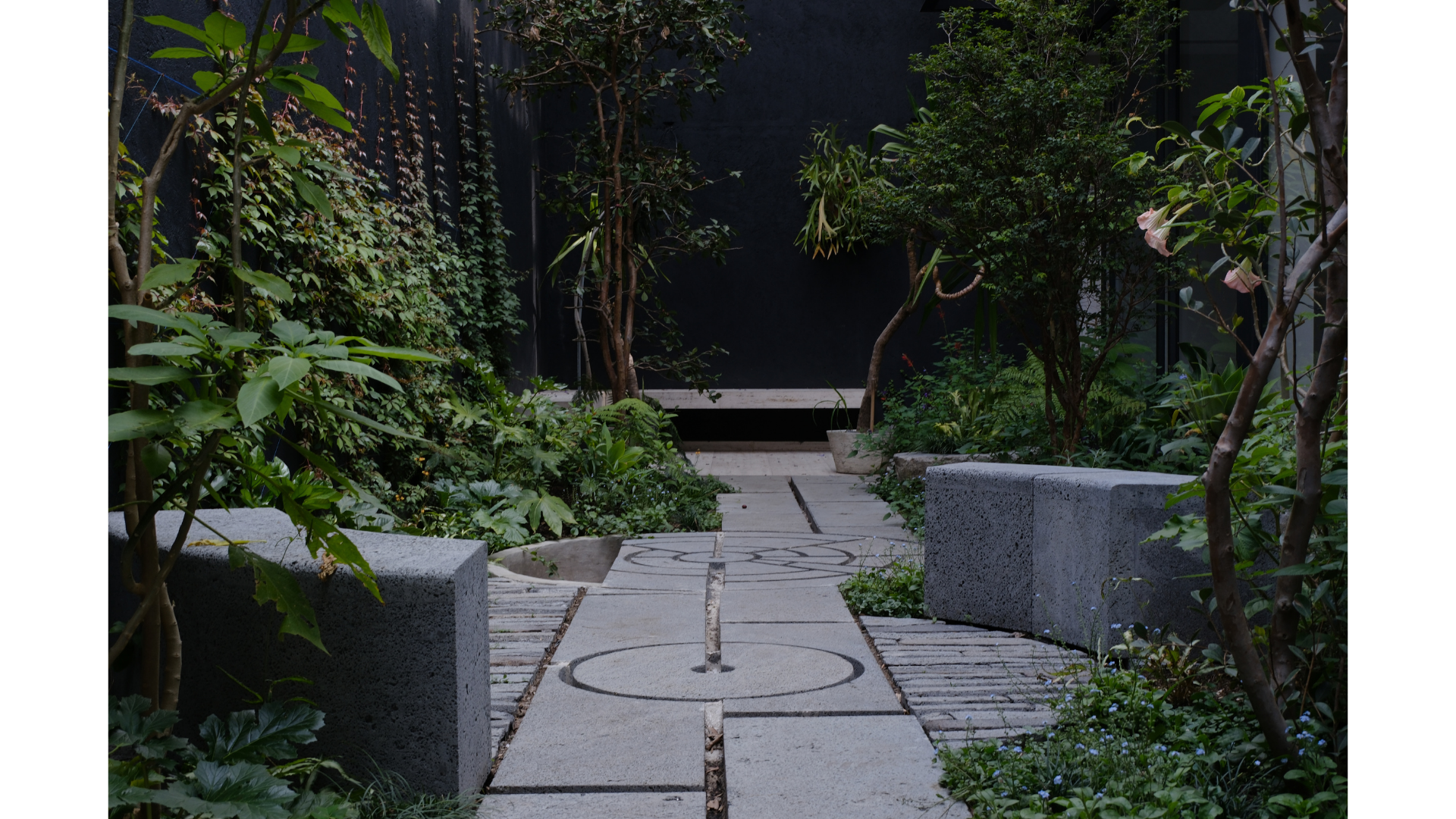
Casa Alumnos, San Miguel Chapultepec, Ciudad de México, 2026/ House Alumnos, San Miguel Chapultepec, Mexico City, 2026
Fotografía/Photography: Santiago Maurer
For a long time, we have created an artificial separation between humans and nature. We have learned to see it as something external, when in reality we are part of it. We have evolved alongside ecosystems; we depend on them, and we belong to them. Landscape architecture allowed me to find a way to work precisely on that connection.
I find it inspiring to think that our work consists, to a great extent, in rebuilding relationships: between people and the territories they inhabit; between the city and natural processes; and between memory and the future. To create spaces that remind us—intuitively and through everyday experience—that we are not separate from nature, but rather part of it.
The role of landscape architects is to rebuild relationships between people and territories, between the city and natural processes, reminding us that we are part of nature.
Ecological restoration arises from the same place: from recognizing that landscapes bear wounds, but also possess an immense capacity for regeneration. I am interested in working with that resilience inherent in living systems, accompanying processes rather than imposing forms, and understanding that, many times, the best design is the one that allows nature to unfold its own intelligence once again.
2.What is the vision and purpose of Tejido Paisaje, and how is it reflected in the exhibition Letters from the Landscape?
Tejido Paisaje was born after more than fifteen years of professional practice and a very personal need to return to the territory, with a more attentive, more curious, and more humble perspective.
We are less interested in designing landscapes and more in learning to read them. We understand landscape as a living, complex and dynamic organism, where ecological processes, cultural histories, geological memories, and forms of life that existed long before our arrival coexist. That is why our work begins by observing, walking, drawing, recording, and asking ourselves questions.
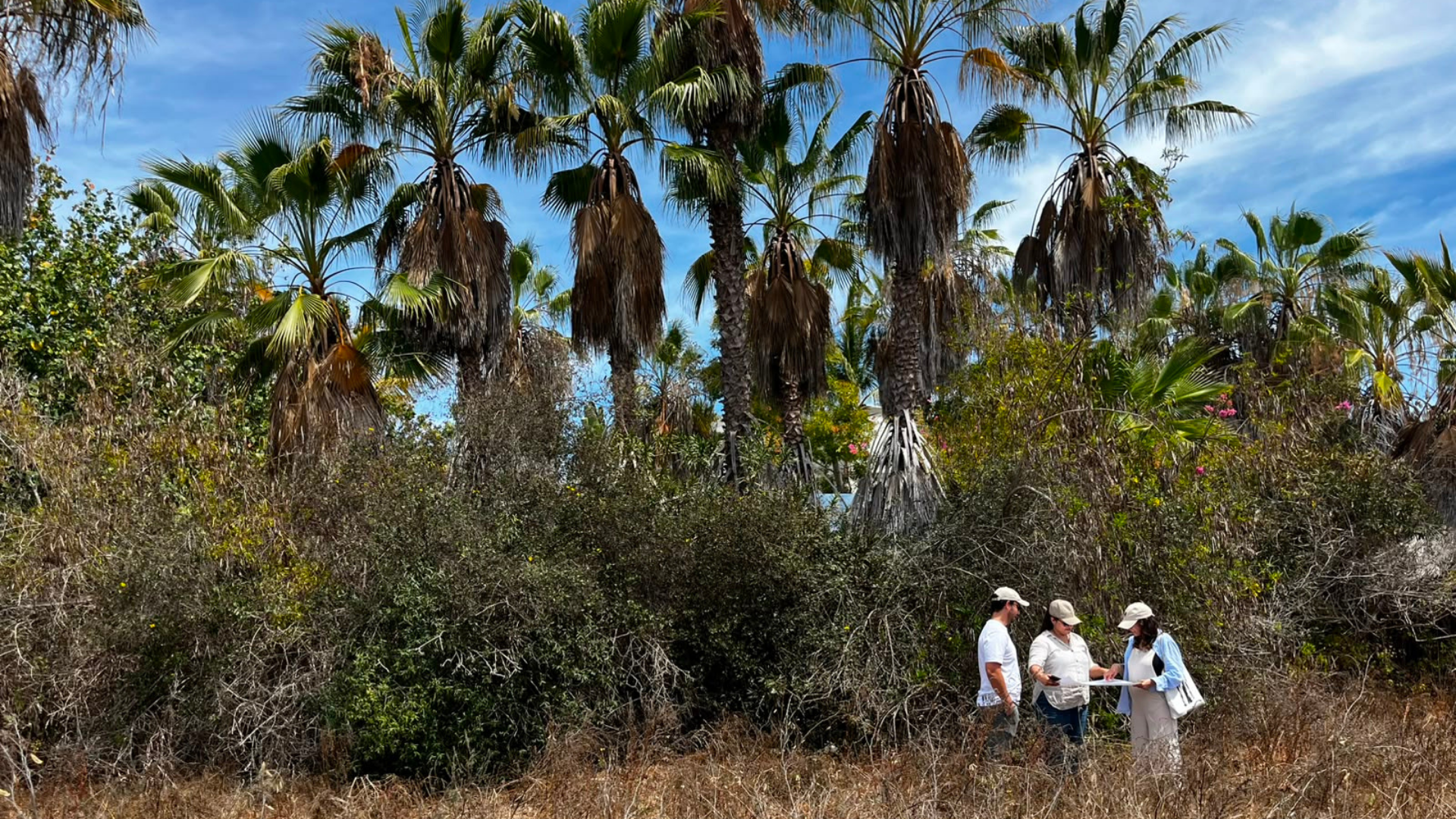
Visita del sitio de proyecto Las Tunas, Baja California Sur/ Site visit to the Las Tunas project, Baja California Sur
Fotografía/Photography: Tejido Paisaje
We believe that landscape architecture carries a great responsibility in this historical moment. Not only to conserve, but to help regenerate territories; to accompany processes of ecological healing; and to mend broken relationships between people, nature, and the systems that sustain life. We are interested in creating projects that, over time, are capable of recovering part of their natural resilience and self-regulating once again.
In many ways, Letters from the Landscape is an expression of that philosophy.
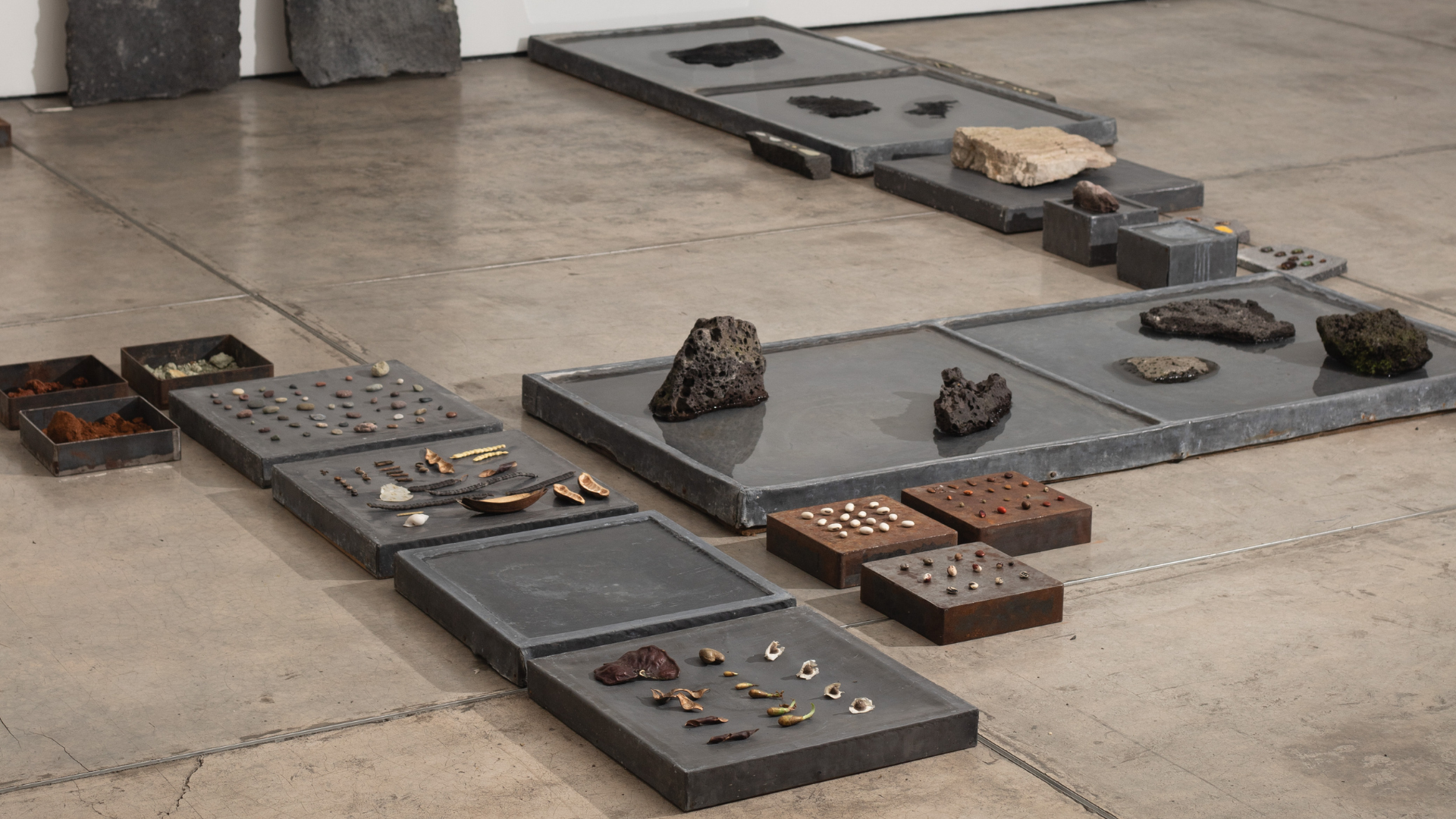
Exposición Cartas del Paisaje, Galería Arroniz, 2025/ Landscape Letters Exhibition, Arróniz Gallery, 2025
Fotografía/Photography: Rafa Amezcua
The exhibition emerges from years of travel, fieldwork, and research across different territories. It brings together fragments of observations, collections, maps, soil chromatographies, drawings, photographs, and findings that have accompanied our work. Rather than presenting answers, it seeks to share a way of seeing.
We are especially interested in the processes that constantly transform the landscape and yet often remain invisible: the passage of time, erosion, sedimentation, the movement of water, the scars left by drought, and the geological memories inscribed in a rock.
The landscape is constantly speaking: its traces are everywhere. A crack in the concrete can recall the course of a vanished river. A sidewalk can contain patterns that resemble an archipelago seen from above. A stone can hold millions of years of history. The exhibition proposes precisely that: learning to read those signs
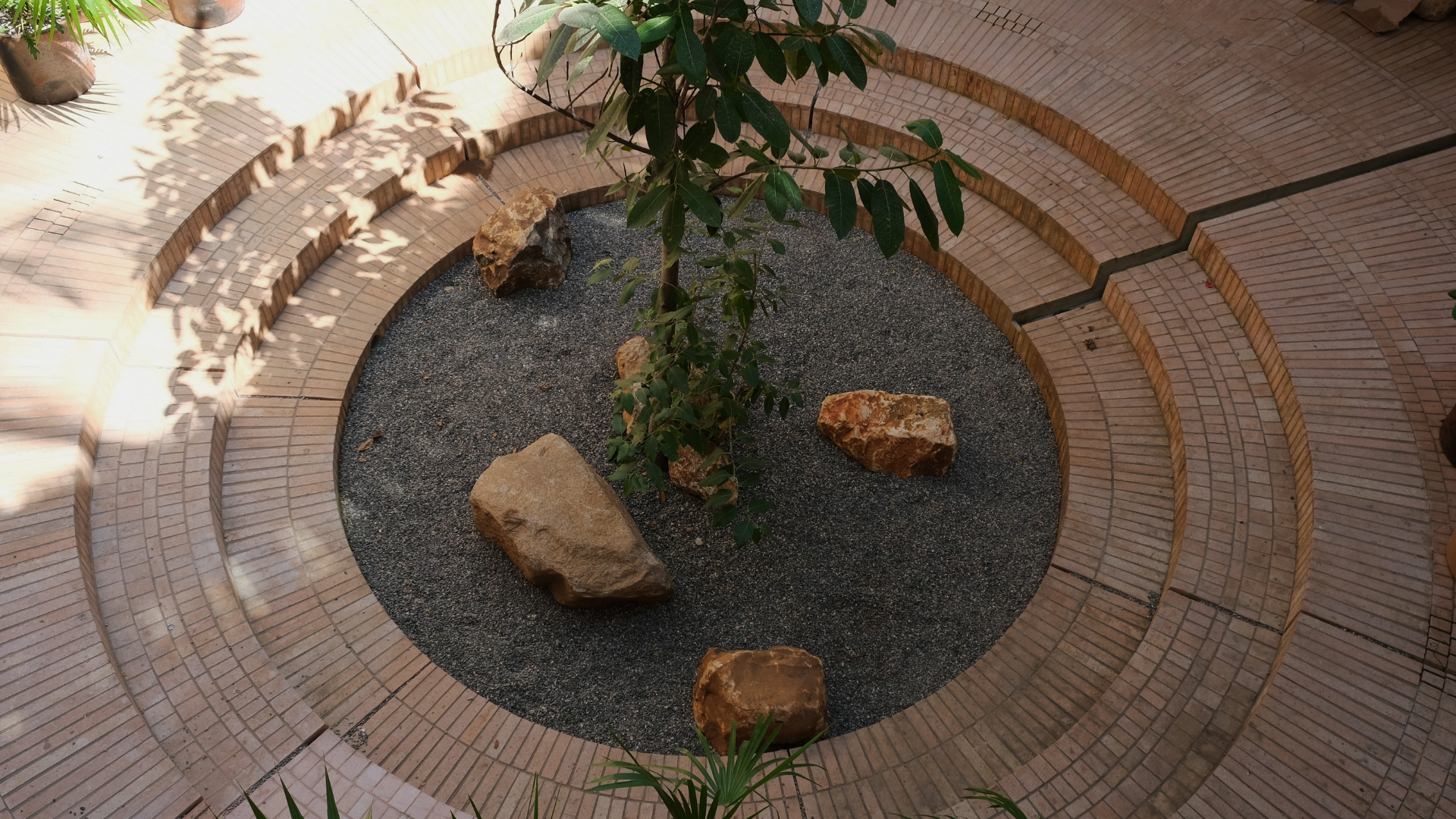
Despiece de Casa Maryna, Hotel en Puerto Escondido, 2024-2025/ Exploded Axonometric of Casa Maryna, Hotel in Puerto Escondido, 2024–2025
Fotografía/Photography: Santiago Maurer
We believe that science can also move us, that a geological cross-section can have the power of a poem, and that a soil chromatogram can evoke the same sense of wonder as a work of art.
Ultimately, Letters from the Landscape is an invitation to slow our gaze. To remember that nothing in the territory is static, that everything is constantly changing, even if we often fail to perceive it, and that learning to read the landscape is, perhaps, a way of feeling part of it once again.
3.What key considerations should landscape architects keep in mind when regenerating spaces between the urban and the wild from the perspective of Tejido Paisaje’s philosophy?
The first thing is to understand that we are not designing on a blank slate. Every territory has a history, an ecological and cultural memory; living processes that are already taking place, and relationships that have existed long before our arrival.
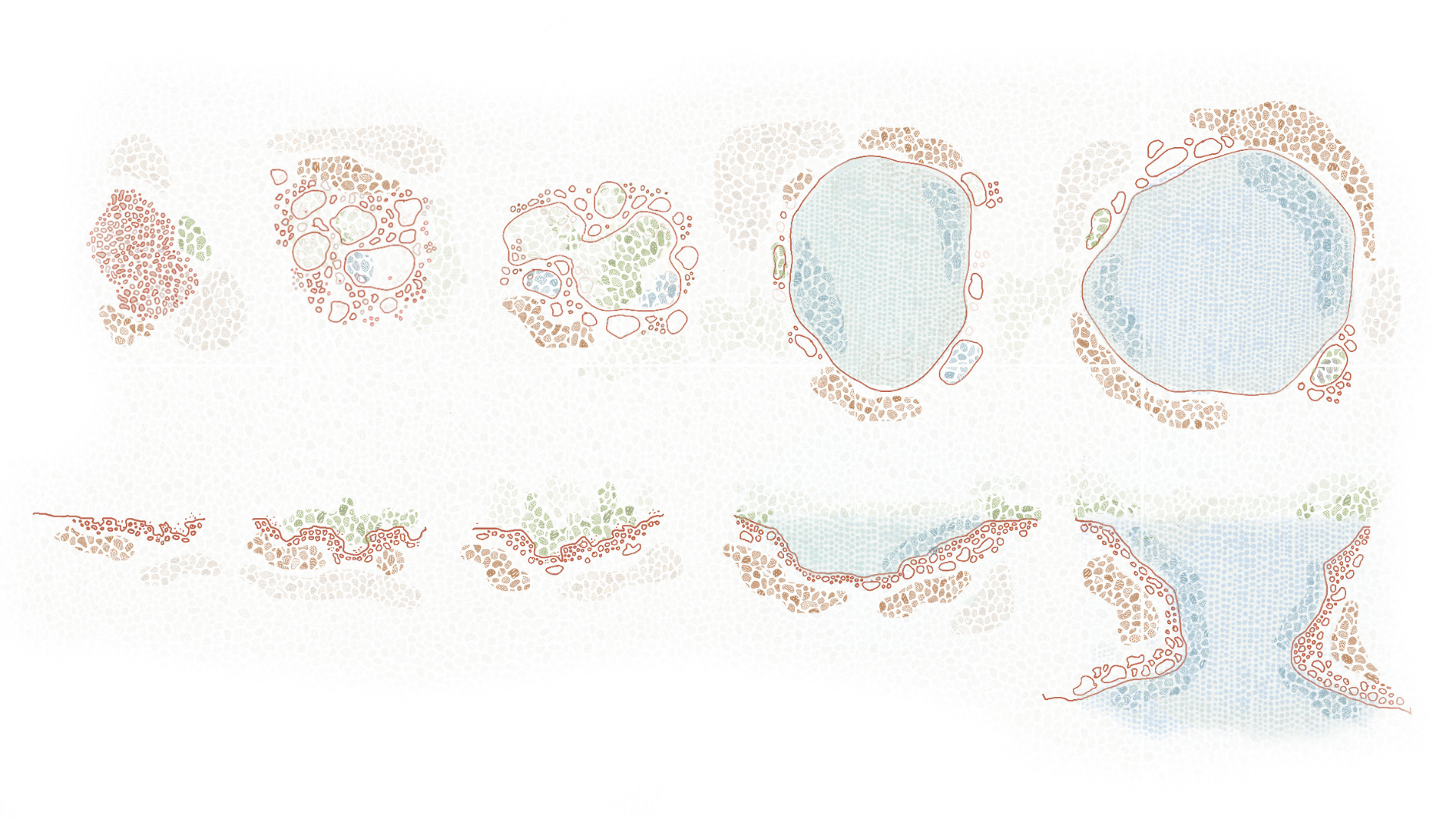
Erosión de piedra caliza en las Bahamas/ Limestone erosion in the Bahamas
Fotografía/Photography: Triana Lamasney
At Tejido Paisaje, we believe that regeneration begins with observation. Before thinking about plant species, programs, or infrastructure, we seek to understand how a place functions: where water flows, what vegetation once existed, which species remain, which relationships have been broken, and which continue to endure.
We often talk about conservation, but what especially interests us is the capacity of territories to heal. Not only protecting what remains, but also helping to rebuild ecological relationships that have been disrupted. Thinking of the landscape as a living fabric that can be repaired, sutured, and gradually recover part of its capacity to self-regulate over time.
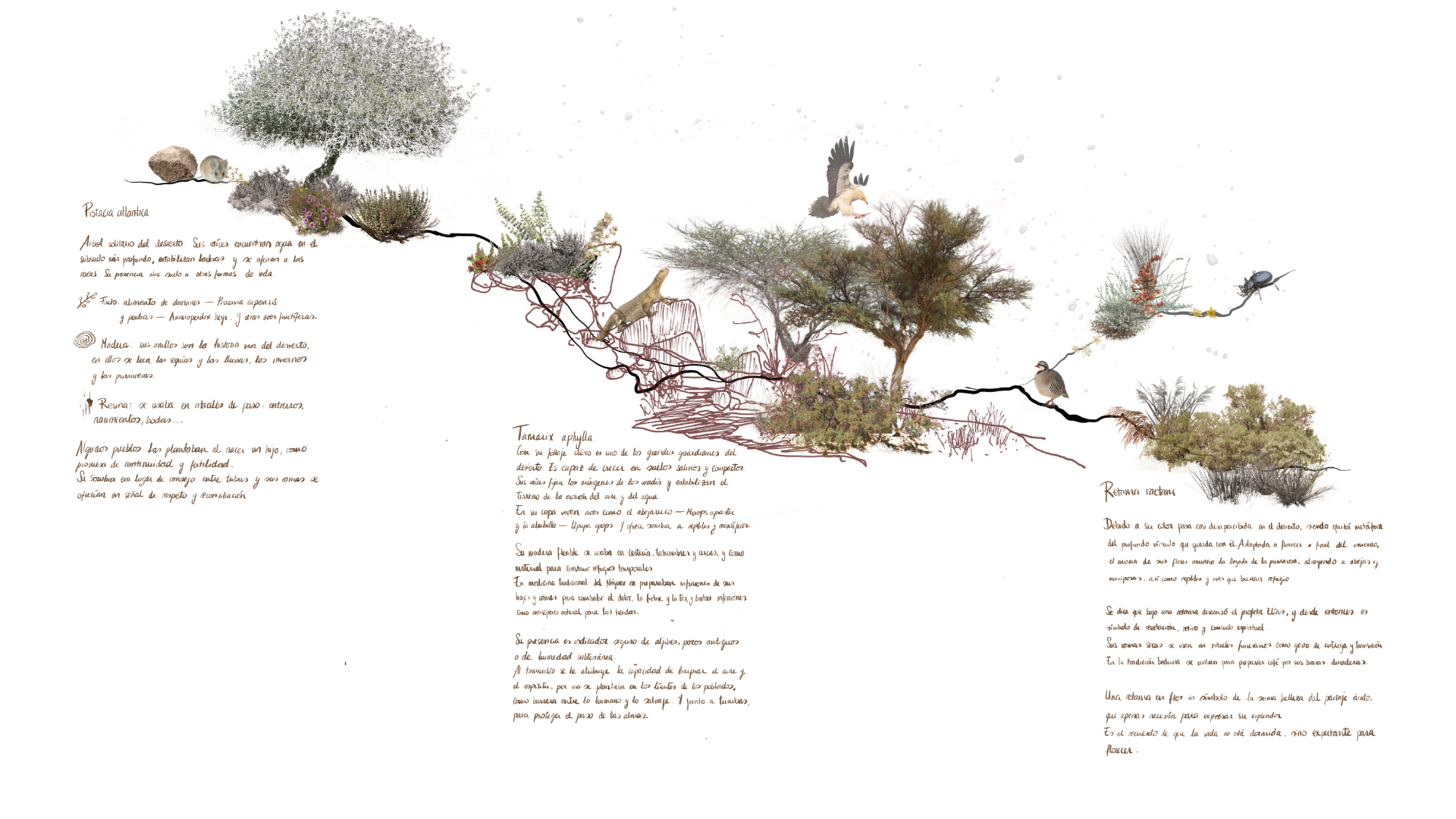
Flora y fauna del desierto de Negev, Israel/ Flora and Fauna of the Negev Desert, Israel
Fotografía/Photography: Ireri Zaragoza
The spaces between the urban and the wild are particularly interesting because they are hybrid territories. There, people, infrastructure, biodiversity, water, memory, and conflict converge. They are places where we must abandon the idea of absolute control and learn to work with complexity.
Nature has spent millions of years solving problems of resilience, adaptation, and survival. Our task is not to impose a vision, but to learn from that intelligence and create the conditions for ecological processes to unfold once again.
Ultimately, regeneration is about accompanying, about listening more than we speak, and about making space for life to return and do its work.
4.How do maps become a key tool for understanding and shaping landscapes on the periphery?
Maps are one of our primary tools for reading the landscape. We often think of them as technical instruments for locating information, but to us they are ways of revealing hidden stories. They are a way of making visible what we do not normally see.
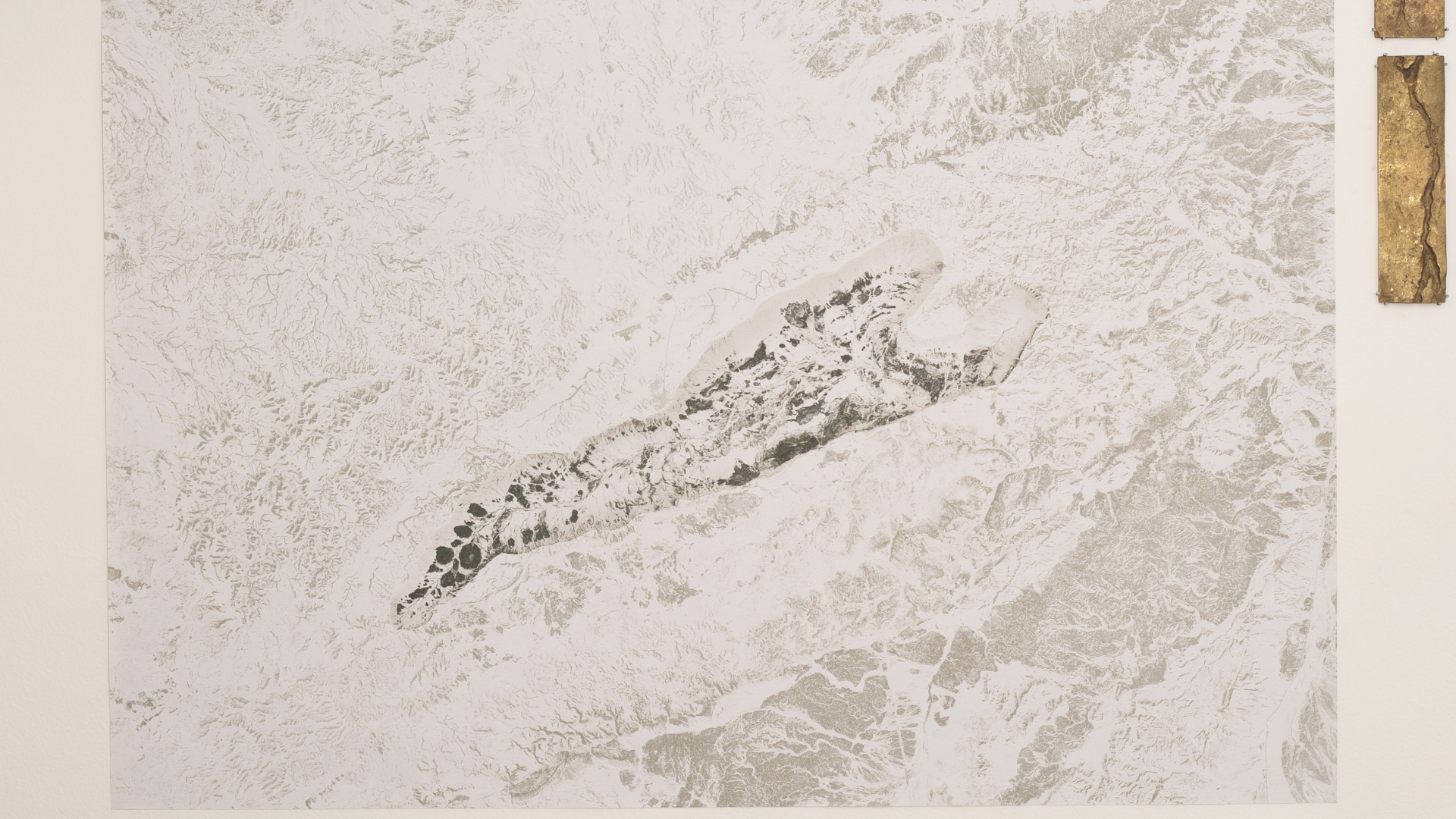
Cartografías del desierto de Negev, exposición Cartas del Paisaje, 2025/ Cartographies of the Negev Desert, Letters from the Landscape Exhibition, 2025
Fotografía/Photography: Rafa Amezcua
A map can reveal the geology of a territory, the paths of water, the transformation of land use, the loss of biodiversity, productive systems, or the cultural memories of a community; in other words, it can reveal relationships that are not immediately evident when we walk through a place.
We are especially interested in working with multiple layers of information because peripheral territories are often complex places where urban, rural, and ecological dynamics converge. They are spaces that are frequently left out of the city’s official narratives and, nevertheless, are essential to understanding how the territory functions as a whole.
Cartography becomes, then, a form of research, an act of observation, and a way of asking questions.
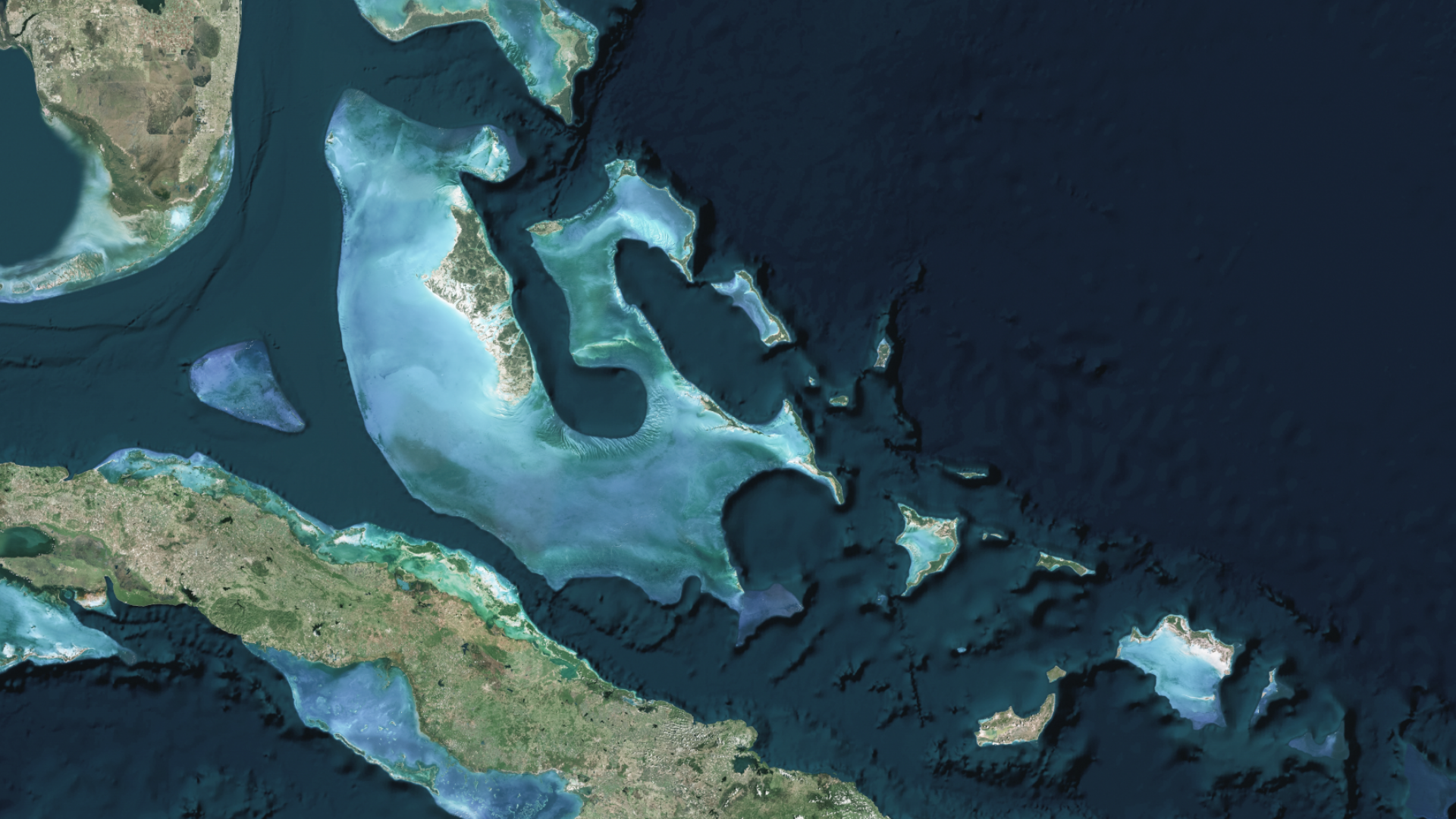
Cartografía del archipiélago de las Bahamas/ Cartography of the Bahamian Archipelago
Fotografía/Photography: Monserrat Loyola
In many projects, we have discovered that a map serves not only to project the future, but also to understand the past. It helps us recognize vanished rivers, fragmented ecosystems, ancient agricultural systems, and territorial patterns that remain present, even if they are no longer visible.
Maps allow us to read the territory before intervening in it. They remind us that the landscape is much more than what we see on the surface: it is an accumulation of processes, memories, and relationships that occur simultaneously across different scales of time and space.
5.What key lesson or experience from your career as a landscape architect do you consider essential to share with the new generations of professionals in the field of landscape?
Perhaps the most important lesson has been understanding that we do not have to arrive with all the answers. When I began my career, I felt I had to solve everything quickly. Over the years, I understood that the landscape operates on different timescales; that many times answers appear after walking a site several times, after observing an entire season, after listening to those who inhabit it or, simply, after remaining long enough for the territory to begin to speak.
I would tell them to cultivate curiosity and protect it; not to lose it in the rush of the profession; to walk a lot; to draw; to collect stones, leaves, and seeds; to speak with scientists, artists, farmers, local communities, and older people; and to learn to look beyond their own discipline.
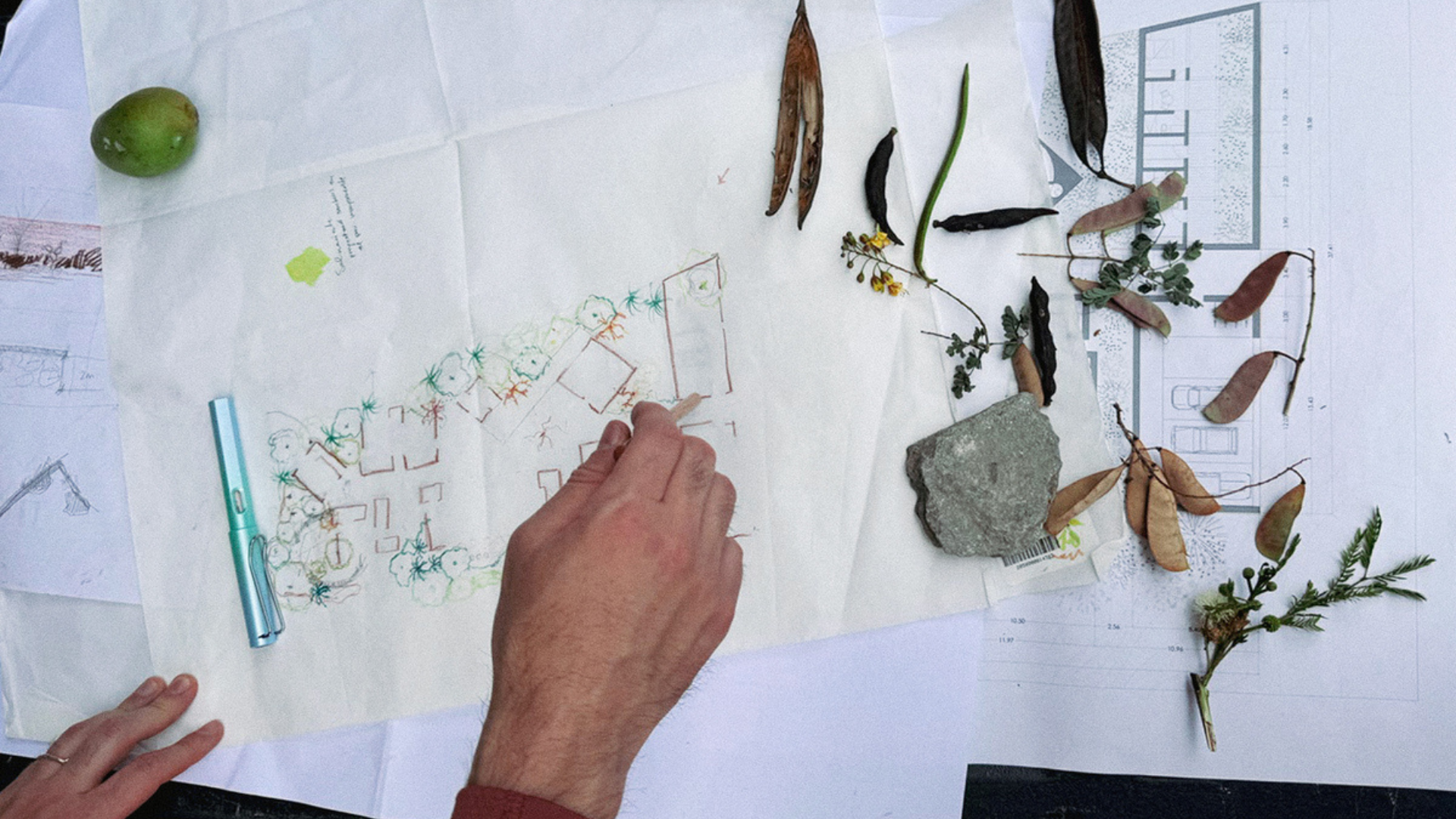
Visita del sitio de proyecto Las Tunas, Baja California Sur/ Site visit to the Las Tunas project, Baja California Sur
Fotografía/Photography: Tejido Paisaje
Some of the most important lessons I have received did not come from an office or a university, but from a desert, a jungle, a conversation with an agroforestry farmer, or an artist observing a rock. Tejido Paisaje was born precisely from that need to return to exploration; to recover play, experimentation, and the ability to ask questions. I believe we need more spaces for curiosity and less obsession with immediate answers.
And, above all, that they remember we work with living systems. The landscape is not an object; it is a relationship. Our role is not to control nature, but to learn how to accompany it with humility, sensitivity, and respect.
If we can keep our sense of wonder alive, we will probably be much closer to understanding the territories we seek to transform.
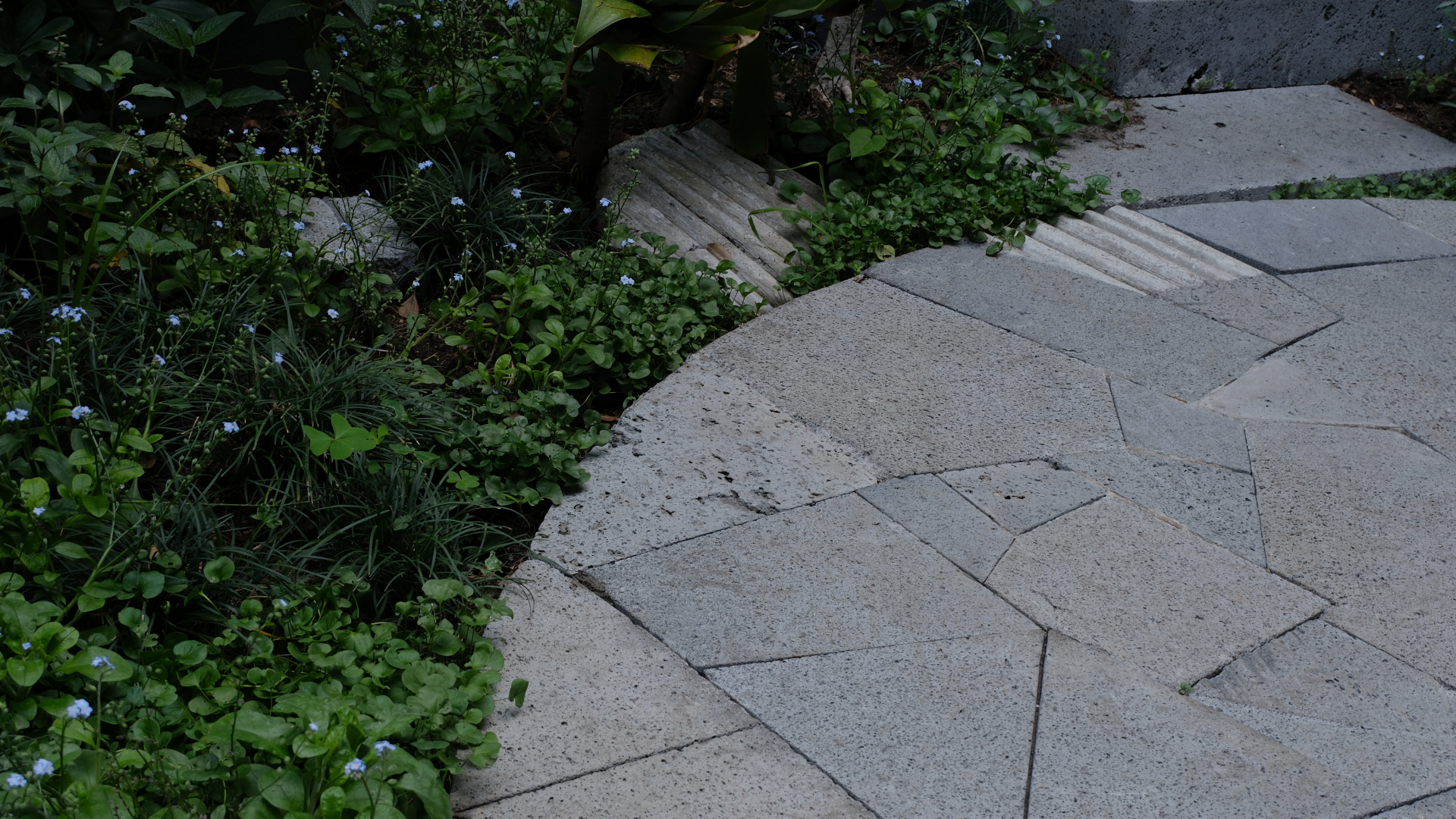
Despiece Casa Alumnos, San Miguel Chapultepec, Ciudad de México, 2026/ Exploded View – Casa Alumnos, San Miguel Chapultepec, Mexico City, 2026
Fotografía/Photography: Santiago Maurer


 13.26.42.png "Captura de Pantalla 2023-02-08 a la(s) 13.26.42")


