

Urban oasis: nature as a solution
Discover Urban Oasis: nature as a solution, where Ivonne Walls highlights the importance of transforming residual urban spaces into authentic biodiversity lungs. This approach seeks to improve social well-being, mitigate environmental impact, and reduce heat islands in high-density metropolitan environments.
“The garden is the most efficient refuge against aggression in the modern world” – Arch. Luis Barragán
The so-called Urban Oasis are green spaces used or “recovered” within cities, which, transformed into parks, gardens or natural areas, can have a great diversity of uses and serve as a pause or parenthesis in the face of the hectic life of cities.
These spaces are essential, as they provide important respite from urban stress, while mitigating environmental problems such as excess heat and pollution, functioning as “green lungs” that improve the biodiversity of the place, promote mental well-being and coexistence among inhabitants.
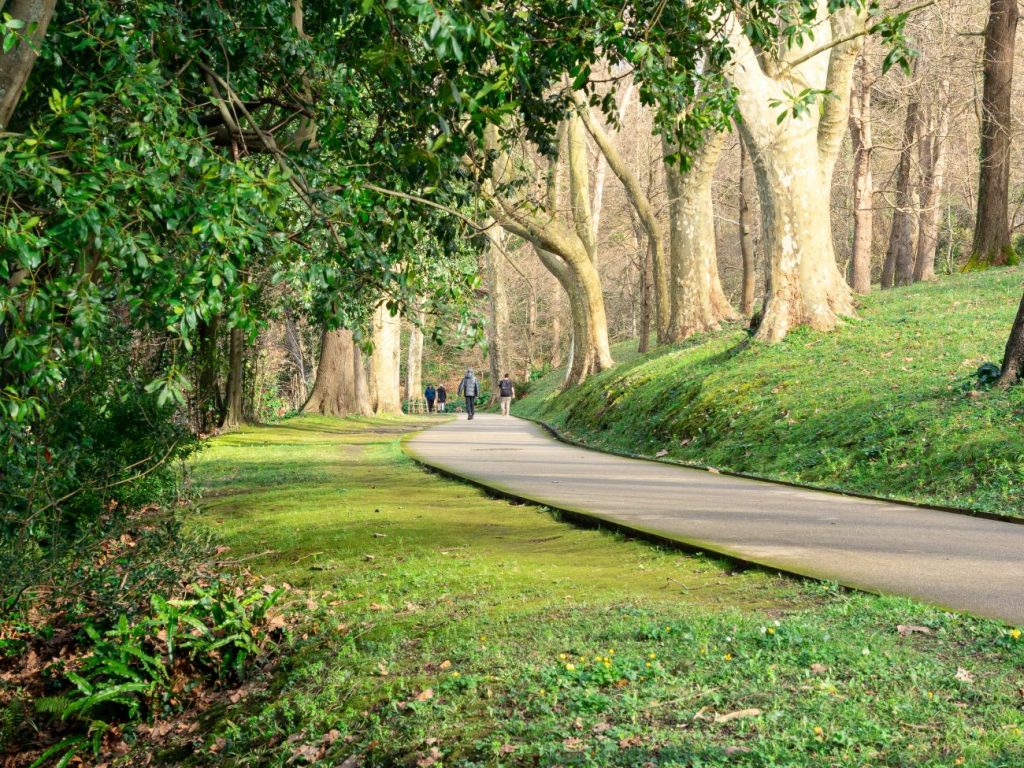
Paseos entre árboles y verde/Strolls among trees and greenery
Fotografía/Photography: Raquel Orihuela Salmerón
One of their main characteristics is that they are spaces where sustainable solutions based on nature are applied, producing natural shades, using materials and elements that allow the creation of a living floor where water infiltrates naturally, integrating furniture suitable for all types of people, serving as a meeting point between people and a connectivity pole between other areas.
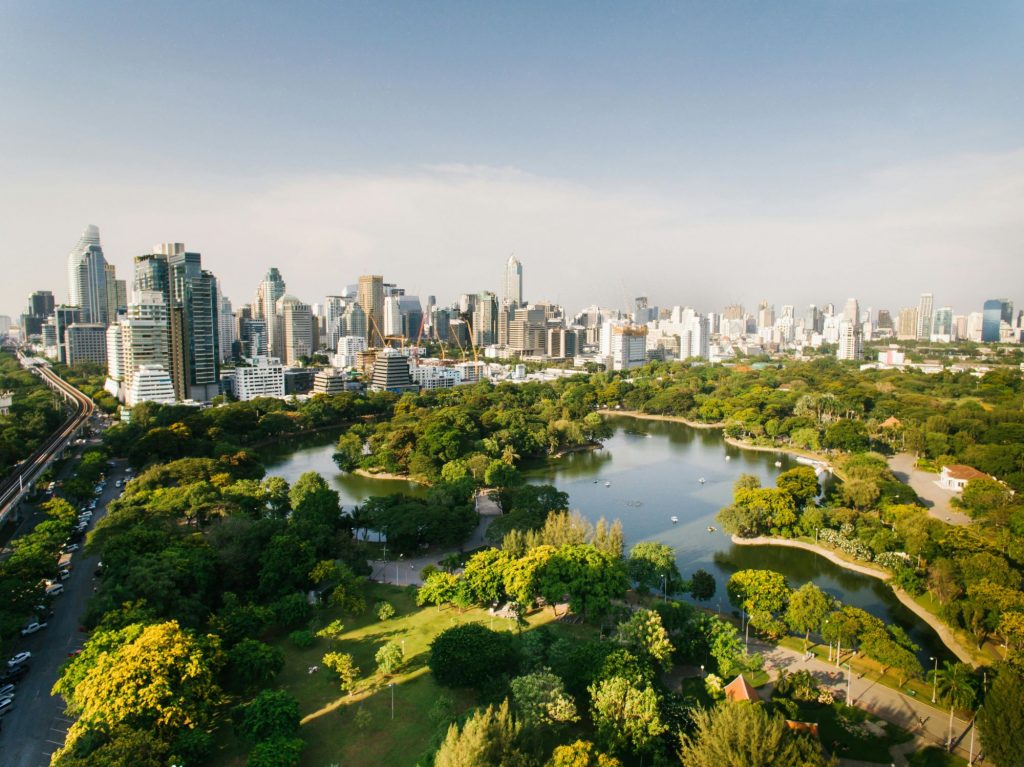
Parque Lumphini, Bangkok, Tailandia/Lumphini Park, Bangkok, Thailand
Fotografía/Photography: Pexels
It is important to understand the characteristics of these spaces, and not to confuse them with simple green areas: while traditional natural landscapes have generally emerged as traditional parks or gardens, urban oasis are places that obey strategic planning that makes them sustainable through efficient management of resources such as water and sunlight. through the use of various technologies.
Natural landscapes have generally emerged as traditional parks or gardens, urban oasis are places that obey strategic planning.
Another big difference between the former and the latter is that urban oasis are spaces that are strategically inserted within the urban layout of cities with high density, to generate a natural environment that promotes biodiversity, gives rest and recreation to the inhabitants and becomes an efficient solution against the excessive heat and pollution that characterise them. A final and no less important peculiarity of urban oases is that they use the intervention of experts in landscape design to beautify them and to respect and strengthen the characteristics of the place through the use of local materials and endemic flora and fauna. This means rebuilding a sustainable ecological network that serves as a refuge, a pause and a haven in the midst of the harshness and coldness of the cities.
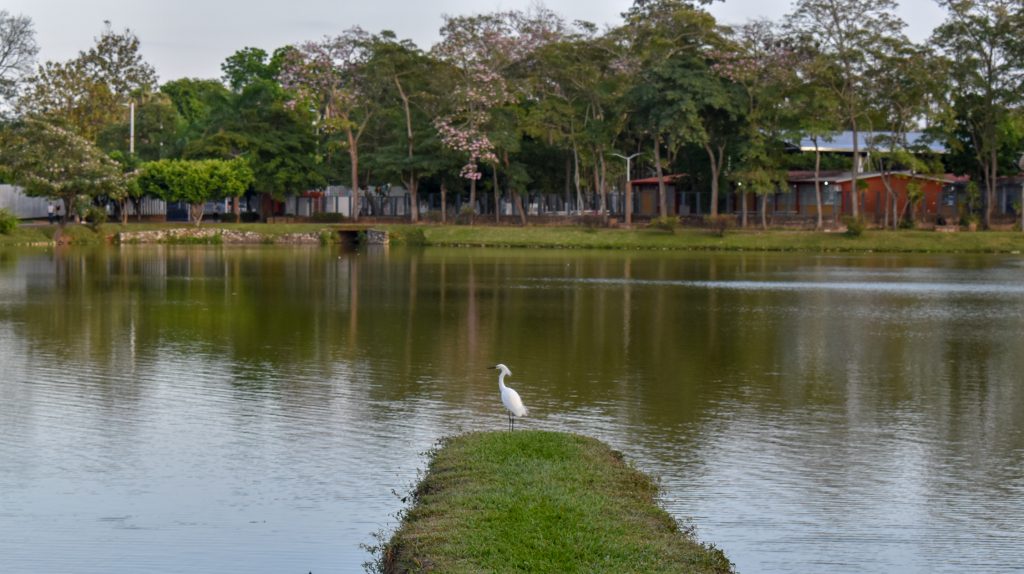
Parque La pólvora Tabasco, México/La Pólvora Park, Tabasco, Mexico
Fotografía/Photography: Sofía Medrano
In short, every urban oasis is an urban green area, but not every urban green area is an urban oasis.
The GIZ (Deutsche Gesellschaft für Internationale Zusammenarbeit or German Technical Cooperation) is an organisation that provides funds to create “Nature-Based Solutions” which supports local and federal governments in Mexico and other countries to create sustainable, resilient cities with better mobility, implementing projects that consider climate change, environmental protection, green infrastructure and orderly urban development.
The key aspects of urban oases are:
Measurable environmental benefits: The shade of trees, water from fountains, as well as the use of materials and ornamental elements (sculptures, bridges, etc.), reduce urban heat islands and serve as a filter against pollution, while generating conducive and sustainable ecosystems.
Design and functionality: Effective designs incorporate elements that make these areas sustainable, thanks to the use of native vegetation, shaded areas and appropriate furniture.
Aesthetic and social uses: They promote safety, community coexistence, and provide spaces for rest, leisure and recreation for people (also promoting their physical and mental health), in addition to improving and beautifying the urban landscape. Its design must consider people with disabilities and the elderly, who rarely have access to this type of space.
Pocket Parks: Small spaces often forgotten and neglected that remain between buildings, transformed into useful natural areas.
Social projects: Underserved public spaces that have been revitalised, such as the Josefino Estuary in Los Cabos, Mexico, to curb soil erosion and create beneficial areas for the community.
Sustainable Urban Centres: Large-scale, mixed-use projects designed with solar and rainwater management in mind to integrate with the environment, such as the “La Mexicana” park in Santa Fe, Mexico City.
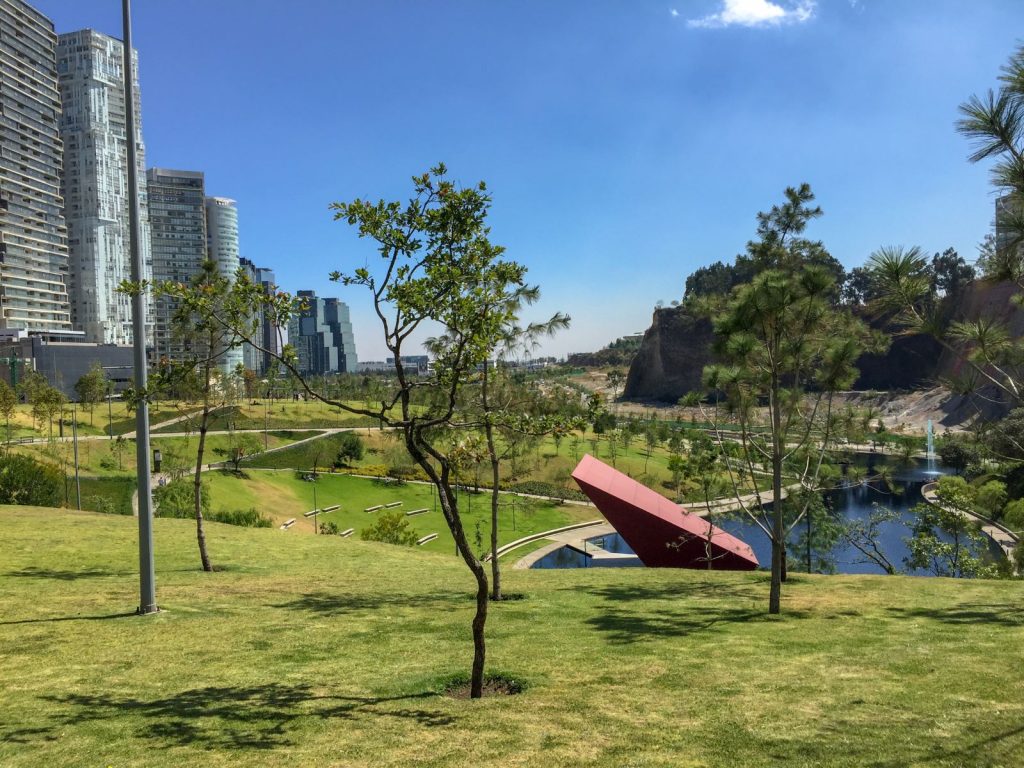
Parque La Mexicana, Santa Fe, Ciudad de México./La Mexicana Park, Santa Fe, Mexico City. Fotografía/Photography: Sofía Medrano
As cities grow and become denser, creating urban oasis within them should be a mandatory task for the authorities of different countries, as these green spaces are quite accessible, both on a small and large scale, and are proving to be crucial to improving the quality of life of the inhabitants. offering a model, a kind of “prototype of sustainable urbanity” capable of improving their quality of life.
Urban oasis (whether developed in residual spaces or on land set aside for that purpose) can, in a certain way, “democratise” the generally harsh, cold and indifferent life in cities, which would allow us to even begin to talk about an urban justice that would benefit all of us and to which we should have a right.
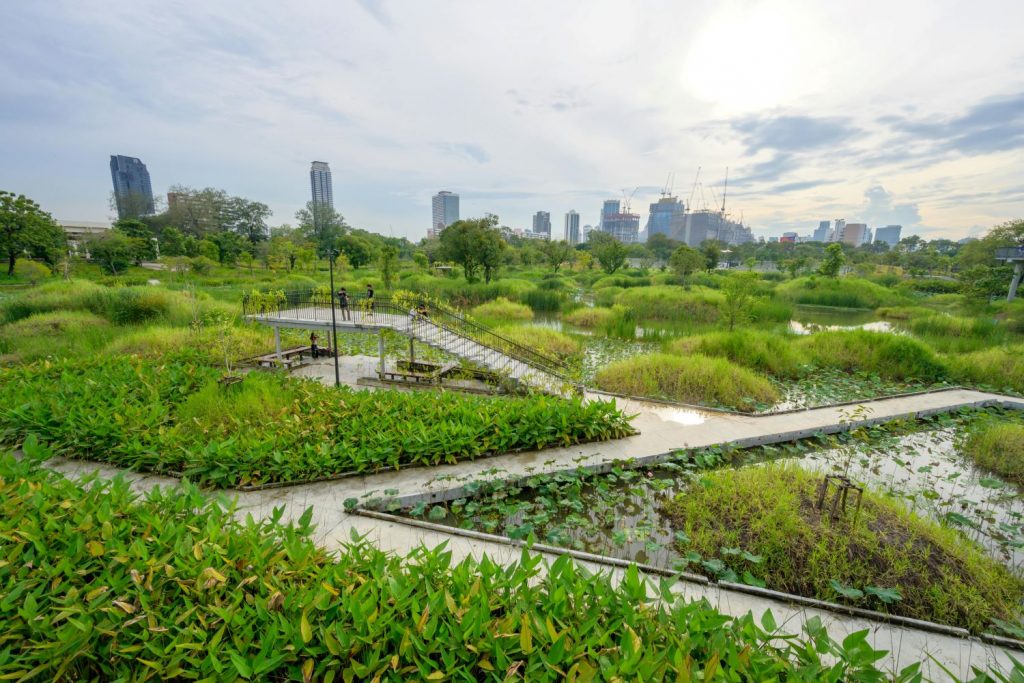
Parque Urbano en Bangkok, Tailandia
Fotografía/Photography: Pexels
As a community, we can (and must) also take on the task of promoting this type of space for encounter, pause and peace. Its revitalisation can improve our city and our world, creating true havens of the future and well-being.


-10.28.24.jpg "Anunciate07-13-a-la(s)-10.28.24")

 13.26.42.png "Captura de Pantalla 2023-02-08 a la(s) 13.26.42")


